Line 6 artistic gateway where divine transportation meets surrealist appreciation
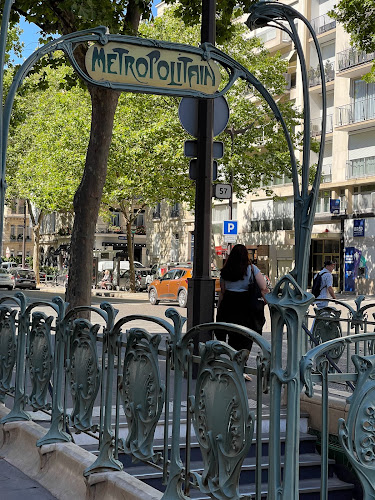
At Boissière station serving Line 6 in the 16th arrondissement, this Édicule Guimard represents Hector Guimard’s 1900 Art Nouveau revolution that transformed Parisian transportation infrastructure into “divine entrances to the Métro” as later celebrated by Salvador Dalí, where cast iron construction painted in weathered brass green created organic architectural forms that proved utilitarian urban infrastructure could achieve poetic beauty while serving practical metropolitan mobility requirements. This extraordinary entrance demonstrates how exceptional public art can inspire both immediate transportation functionality and lasting cultural appreciation across artistic movements, creating metro access that serves both daily commuter needs and ongoing aesthetic education about Art Nouveau innovation that influenced international design development while establishing Paris’s distinctive metropolitan identity through infrastructure design excellence worthy of Historical Monument protection and surrealist artistic recognition.
Weathered brass aesthetics and material innovation
Guimard’s choice of cast iron construction painted in green emulating weathered brass demonstrates how material innovation could serve both aesthetic excellence and practical urban infrastructure through manufacturing techniques that enabled organic Art Nouveau forms while maintaining structural integrity and weather resistance required for metropolitan transportation service. This material approach proved that exceptional public art can embrace industrial construction methods while achieving naturalistic design principles through production processes that honor both technological capability and artistic vision serving urban infrastructure that requires both functional reliability and aesthetic distinction worthy of ongoing heritage protection and international architectural appreciation.
The cost-effective cast iron and concrete construction that enabled sinuous Art Nouveau forms illustrates how innovative architectural design can achieve both economic efficiency and aesthetic excellence through construction approaches that serve both immediate transportation infrastructure budgets and long-term cultural heritage creation. This economic innovation demonstrated how successful public art can accommodate both financial constraints and artistic ambition through material choices that prove exceptional design can transcend budget limitations to achieve lasting cultural significance through infrastructure that serves both practical transportation and ongoing cultural education about innovative design approaches.
Typography and comprehensive design vision
The entrance’s display of MÉTROPOLITAIN signage in Guimard’s custom typeface “that has come to represent Art Nouveau” demonstrates how comprehensive artistic vision must address every design element to achieve stylistic coherence that serves both practical urban communication and cultural education about design excellence. This typographic innovation proved that successful public art requires coordination between architectural design and graphic communication through custom lettering that maintains both functional legibility and aesthetic distinction worthy of becoming internationally recognized symbols representing entire artistic movements and metropolitan cultural identity.
The integration of lily-of-the-valley inspired stalks supporting red-orange globe lights with custom typography creates unified aesthetic experience that transforms routine metro access into encounters with comprehensive Art Nouveau design philosophy through elements that serve both practical lighting and directional requirements while providing ongoing cultural education about innovative design approaches that honor both natural observation and urban infrastructure functionality serving diverse metropolitan populations requiring both transportation efficiency and cultural inspiration within prestigious residential contexts.
Cultural reception evolution and artistic vindication
The entrance’s evolution from initial “scandalized arbiters of style” and mixed public reception to Salvador Dalí’s celebration as “divine entrances” demonstrates how innovative public art often requires time for cultural appreciation to develop through ongoing encounter that reveals aesthetic value previously obscured by stylistic unfamiliarity. This reception transformation proved that exceptional artistic achievement can overcome temporary resistance through persistent presence that educates public taste while maintaining functional service that proves design excellence through daily use that validates innovative aesthetic approaches serving both transportation functionality and cultural education about artistic innovation worthy of surrealist recognition and ongoing international appreciation.
The transformation from controversial modernist installation to beloved Parisian symbol illustrates how authentic artistic excellence can achieve lasting cultural significance when public art serves genuine community needs while challenging conventional aesthetic expectations through design innovation that proves its value through ongoing functional service and aesthetic appreciation. This vindication demonstrates how successful public art can achieve both immediate practical utility and long-term cultural influence through infrastructure that serves both transportation functionality and ongoing artistic inspiration worthy of both heritage protection and international recognition by subsequent artistic movements appreciating innovative public design excellence.
Contemporary preservation and ongoing metropolitan service
Today’s protection among the 86 surviving Guimard entrances that “have become symbols of Paris, transcending the identity of the metro itself” proves that exceptional public art can achieve cultural significance that surpasses original functional purpose to represent entire cities through design excellence that captures local aesthetic identity while inspiring worldwide appreciation for innovative urban planning. This symbolic status demonstrates how successful transportation infrastructure can serve both practical metropolitan mobility and broader cultural representation through preserved installations that enable ongoing appreciation for Art Nouveau excellence within continuing urban functionality.
Essential information
- Designer: Hector Guimard (Art Nouveau pioneer)
- Opening: 1900 (Line 6 service)
- Location: Boissière station, 16th arrondissement
- Materials: Cast iron and concrete painted weathered brass green
- Design elements: Lily-of-the-valley stalks, red-orange globe lights
- Typography: Custom MÉTROPOLITAIN lettering representing Art Nouveau
- Protection status: One of 86 surviving protected entrances
- Cultural recognition: Dalí’s “divine entrances” appreciation
Design and cultural significance
- Material innovation: Cost-effective construction enabling organic forms
- Organic architecture: Plant-inspired motifs connecting urban infrastructure to nature
- Cultural evolution: From controversial to beloved Parisian symbols
- Surrealist validation: Later artistic movement recognition
- International influence: Style Métro inspiring global Art Nouveau appreciation
Divine transportation entrance achieves surrealist artistic validation
The Édicule Guimard at Boissière embodies the extraordinary evolution of public art appreciation, where Hector Guimard’s 1900 Art Nouveau transportation revolution initially scandalized conventional taste before achieving Salvador Dalí’s recognition as “divine entrances to the Métro” that enabled descent “into the region of the subconscious of the living and monarchical aesthetic of tomorrow,” proving that exceptional urban infrastructure can achieve both practical transportation service and profound artistic influence that inspires subsequent artistic movements through design excellence that transcends original functional purpose. This remarkable entrance demonstrates how innovative public art can overcome initial resistance to achieve lasting cultural significance when design quality serves both immediate transportation functionality and long-term aesthetic education about revolutionary approaches to urban infrastructure that honor both natural observation and metropolitan service requirements. For Art Nouveau enthusiasts, surrealist art admirers, or anyone interested in how public infrastructure can achieve lasting artistic influence, this Line 6 entrance offers an extraordinary encounter with transportation poetry, where lily-of-the-valley stalks and weathered brass aesthetics create metro access that proves exceptional urban design achieves immortality through ongoing functional service that continues inspiring artistic appreciation across multiple creative movements, demonstrating that the finest public art emerges when naturalistic design principles meet practical transportation requirements while serving both immediate metropolitan mobility and lasting cultural influence through infrastructure excellence that honors both botanical inspiration and urban functionality worthy of both heritage protection and ongoing surrealist artistic appreciation.