Final Guimard installation where lily-of-the-valley artistry completed metropolitan transformation
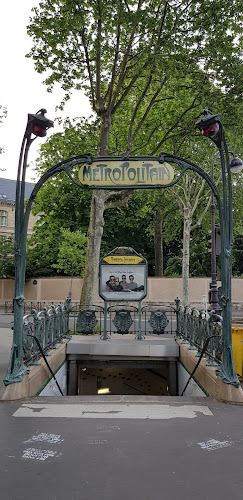
At Chardon-Lagache station in the 16th arrondissement, this Édicule Guimard represents one of Hector Guimard’s final metro entrance installations completed in 1913, where Art Nouveau maturity achieved perfect synthesis of botanical inspiration and transportation functionality through cast iron candélabres set within vegetated environments that demonstrated how organic design principles could enhance rather than complicate essential urban infrastructure. This remarkable entrance proves how comprehensive artistic vision can achieve both immediate practical transportation service and lasting cultural influence through design excellence that maintains both botanical aesthetic integrity and metropolitan system functionality, creating transportation access that serves both daily commuter needs and ongoing cultural education about Art Nouveau innovation that transformed Parisian urban infrastructure into sculptural experiences worthy of international architectural appreciation and heritage protection.
Art Nouveau culmination and design evolution
The 1913 installation timing represents Guimard’s mature period when thirteen years of metro entrance experimentation had refined his approach to achieve optimal balance between decorative excellence and practical transportation functionality through design evolution that proved Art Nouveau could serve both aesthetic innovation and urban infrastructure requirements. This maturation demonstrated how sustained artistic development can generate increasingly sophisticated solutions that honor both original creative vision and practical operational experience gained through extensive public art installation within diverse urban contexts requiring both aesthetic distinction and functional reliability for effective metropolitan transportation service.
The entrance’s creation during the final Guimard installation period illustrates how artistic careers can achieve lasting cultural significance through sustained commitment to public art excellence that serves both immediate community needs and broader cultural heritage creation through projects that maintain both aesthetic innovation and practical service effectiveness worthy of ongoing heritage protection and international architectural appreciation serving both transportation functionality and cultural tourism attraction through design excellence that transcends temporary aesthetic fashion to achieve lasting urban cultural significance.
Lily-of-the-valley symbolism and French cultural identity
Neighborhood architectural heritage and comprehensive artistic presence
Essential information
- Designer: Hector Guimard (Art Nouveau master)
- Installation: 1913 (final Guimard metro entrance period)
- Location: Chardon-Lagache station, 16th arrondissement
- Design type: Entourage with candélabres in vegetated environment
- Signature elements: Lily-of-the-valley stalks, red-orange globe lights
- Materials: Cast iron painted distinctive green
- Neighborhood heritage: Near Villa Jassedé (Guimard 1893)
- Cultural symbolism: French lily-of-the-valley floral heritage
Design and cultural significance
- Design maturity: Culmination of 13 years metro entrance evolution
- Botanical integration: Plant-like forms honoring French floral symbolism
- Neighborhood concentration: Metro and residential Guimard heritage
- Transportation poetry: Functional infrastructure achieving aesthetic excellence
- Cultural completion: Final contribution to Style Métro system
Artistic maturity creates transportation design perfection
The Édicule Guimard at Chardon-Lagache embodies the culmination of Hector Guimard’s Art Nouveau mastery applied to metropolitan transportation infrastructure, where thirteen years of metro entrance design evolution achieved perfect synthesis of botanical inspiration and practical urban functionality through cast iron artistry that honored both French lily-of-the-valley cultural symbolism and essential transportation service requirements within prestigious 16th arrondissement residential contexts demanding both aesthetic excellence and operational reliability. This extraordinary entrance demonstrates how sustained artistic development can generate increasingly sophisticated public art solutions that serve both immediate transportation needs and lasting cultural heritage through design maturity that transcends early experimental approaches to achieve refined excellence worthy of ongoing appreciation and architectural tourism. For Art Nouveau enthusiasts, transportation design admirers, or anyone interested in how artistic maturity can generate lasting public infrastructure excellence, this final Guimard metro installation offers an extraordinary encounter with design culmination, where botanical candélabres and vegetated environments demonstrate the sophisticated artistic solutions achieved when comprehensive creative vision meets practical metropolitan service requirements, proving that the finest public art emerges through sustained artistic development that honors both individual creative evolution and collective cultural heritage creation through transportation infrastructure that continues serving both practical mobility and cultural inspiration within neighborhood contexts that celebrate comprehensive artistic achievement through preserved examples of Art Nouveau excellence serving ongoing metropolitan transportation and international architectural appreciation for innovative design approaches that transformed Parisian urban infrastructure identity.