Auteuil quarter entrance where Guimard’s childhood neighborhood inspired metropolitan artistry
At Église-d’Auteuil station in the 16th arrondissement, this Art Nouveau metro entrance honors Hector Guimard’s profound connection to the Auteuil quarter, where the architect discovered his calling while living with godmother Apollonie Grivellé at 147 avenue de Versailles and meeting the Catholic bourgeoisie who later commissioned the private residences that established his architectural reputation. This meaningful location demonstrates how personal neighborhood connections can inspire architectural excellence that serves both immediate community transportation needs and broader cultural education about Art Nouveau innovation, proving that exceptional public art often emerges from deep local cultural relationships that enable artists to understand community character while creating infrastructure that enhances rather than disrupts established neighborhood identity through design excellence that honors both local context and metropolitan artistic vision.
Line 8 completion and Auteuil quarter service
The entrance’s creation during the final Guimard installation period—autumn 1913 for Line 8 (now Line 10) serving the Auteuil quarter—represents the culmination of Guimard’s metro design evolution when mature Art Nouveau principles met optimal neighborhood integration within the district that had nurtured his architectural development. This timing proved that exceptional public art can achieve both personal meaning and professional excellence when artists return to serve communities that supported their creative development through infrastructure projects that honor both individual artistic growth and collective neighborhood cultural enhancement requiring both transportation functionality and aesthetic distinction.
The completion of metro service to Auteuil through Guimard’s final entrance installations demonstrates how comprehensive transportation planning can honor both architectural heritage and community service through infrastructure development that maintains both aesthetic excellence and practical accessibility within prestigious residential districts requiring transportation service worthy of their cultural sophistication and architectural distinction through metro access that proves exceptional public art can serve both immediate practical needs and long-term cultural heritage preservation.
Organic architecture and botanical transportation poetry
The entrance design embodying Guimard’s signature organic forms—sinuous stalks resembling lily-of-the-valley supporting red-orange globe lights—creates transportation access that functions simultaneously as botanical education and practical metro service through Art Nouveau design that connects urban commuters to natural wisdom while serving metropolitan mobility requirements. This biomimetic approach demonstrated how exceptional urban infrastructure can honor natural observation through architectural forms that suggested botanical growth rather than mechanical construction, proving that successful public art emerges when naturalistic design principles inform technological infrastructure serving both practical transportation and cultural education about the relationship between natural forms and urban design excellence.
The cast iron construction painted in distinctive oxidized brass green, combined with intricate floral motifs and sinuous metalwork lines, creates visual rhythm that transforms routine metro access into aesthetic experiences through decorative elements that honor both Art Nouveau philosophical commitment to natural forms and practical urban infrastructure requirements for weather protection, lighting, and directional signage integrated into unified artistic vision that serves both transportation functionality and ongoing cultural education about innovative design approaches that enhanced rather than complicated essential metropolitan services.
Cultural preservation and neighborhood integration
The entrance’s survival within Auteuil’s transformation from village to prestigious arrondissement demonstrates how exceptional public art can maintain cultural relevance across changing urban contexts while serving both historical documentation and contemporary transportation functionality through design excellence that honors both original neighborhood character and evolving metropolitan infrastructure requirements. This survival proves that Art Nouveau metro design achieved the sophistication necessary to serve both village heritage preservation and modern urban development through aesthetic approaches that enhanced rather than disrupted established community identity.
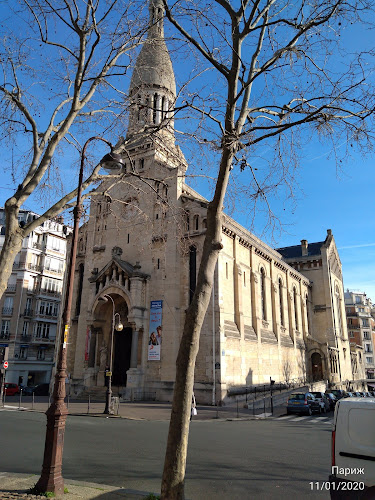
The station’s integration within contemporary Auteuil cultural landscape, near the historic church and prestigious residential developments, illustrates how successful metro infrastructure can serve both transportation accessibility and neighborhood cultural identity through design that respects local architectural heritage while maintaining metropolitan system aesthetic coherence that serves both community pride and broader cultural tourism attraction through infrastructure that proves exceptional public art can honor both local context and system-wide artistic vision serving diverse urban populations requiring both practical mobility and cultural inspiration.
Contemporary relevance and Art Nouveau appreciation
Today’s continued operation as both functioning metro entrance and architectural heritage site proves that exceptional public art achieves immortality through ongoing practical service rather than museum preservation, where Guimard’s organic design continues facilitating metropolitan transportation while providing aesthetic enrichment that demonstrates how authentic Art Nouveau principles remain relevant for contemporary urban infrastructure development. This practical continuity shows how the finest transportation design serves both immediate mobility needs and long-term cultural inspiration through beauty that makes ordinary commuting experiences more meaningful and culturally significant than purely utilitarian approaches to essential metro access could achieve.
The entrance’s role as architectural pilgrimage destination for Art Nouveau enthusiasts exploring Guimard’s 16th arrondissement heritage demonstrates how exceptional metro design can serve both practical transportation and cultural tourism through preserved installations that enable authentic encounter with innovative public art within continuing urban functionality. This dual service proves that Art Nouveau metro entrances can honor both original revolutionary design vision and contemporary cultural appreciation through infrastructure that maintains both transportation effectiveness and aesthetic education about design excellence that transformed Parisian metropolitan identity while continuing to serve both resident transportation needs and international architectural tourism seeking authentic encounter with Belle Époque modernist achievement.
Essential information
- Designer: Hector Guimard (Art Nouveau master)
- Installation period: Final Guimard metro phase (autumn 1913)
- Location: Église-d’Auteuil station, 16th arrondissement
- Line service: Original Line 8 (now Line 10) serving Auteuil quarter
- Personal connection: Guimard’s childhood neighborhood and architectural discovery
- Architectural style: Art Nouveau with organic botanical forms
- Materials: Cast iron painted oxidized brass green
- Design elements: Lily-of-the-valley stalks, floral motifs, sinuous metalwork
Design and cultural significance
- Neighborhood heritage: Serving district that nurtured Guimard’s architectural development
- Naturalistic inspiration: Botanical forms connecting urban infrastructure to nature
- Cultural integration: Village-to-arrondissement transformation accommodation
- Transportation poetry: Functional infrastructure achieving aesthetic excellence
- Architectural tourism: Pilgrimage site for Art Nouveau appreciation
Personal architectural heritage creates neighborhood transportation poetry
The Édicule Guimard at Église-d’Auteuil embodies the extraordinary convergence of personal architectural heritage and professional excellence, where Hector Guimard’s final metro entrance installations served the Auteuil quarter that had nurtured his artistic development while discovering Catholic bourgeois society who later commissioned the residential works that established his architectural reputation, proving that exceptional public art can achieve both personal meaning and professional distinction when artists create infrastructure serving communities that supported their creative formation. This remarkable entrance demonstrates how meaningful architectural relationships between artists and neighborhoods can generate public art that honors both individual creative development and collective community cultural identity through transportation infrastructure that serves both practical metropolitan mobility and ongoing cultural education about the personal contexts that enable exceptional artistic achievement. For Art Nouveau enthusiasts, neighborhood heritage admirers, or anyone interested in how personal architectural connections can inspire lasting public art excellence, this Auteuil entrance offers an extraordinary encounter with transportation poetry, where botanical design elements and organic metalwork demonstrate how childhood neighborhood relationships can influence lifelong architectural vision that continues serving both practical urban infrastructure and cultural appreciation for the personal contexts that enable exceptional artistic innovation, proving that the finest public art emerges when individual creative development meets community support that generates lasting cultural institutions serving both immediate practical needs and ongoing artistic inspiration through infrastructure that honors both personal artistic heritage and collective neighborhood cultural identity requiring both transportation functionality and aesthetic excellence worthy of ongoing appreciation and architectural tourism.