
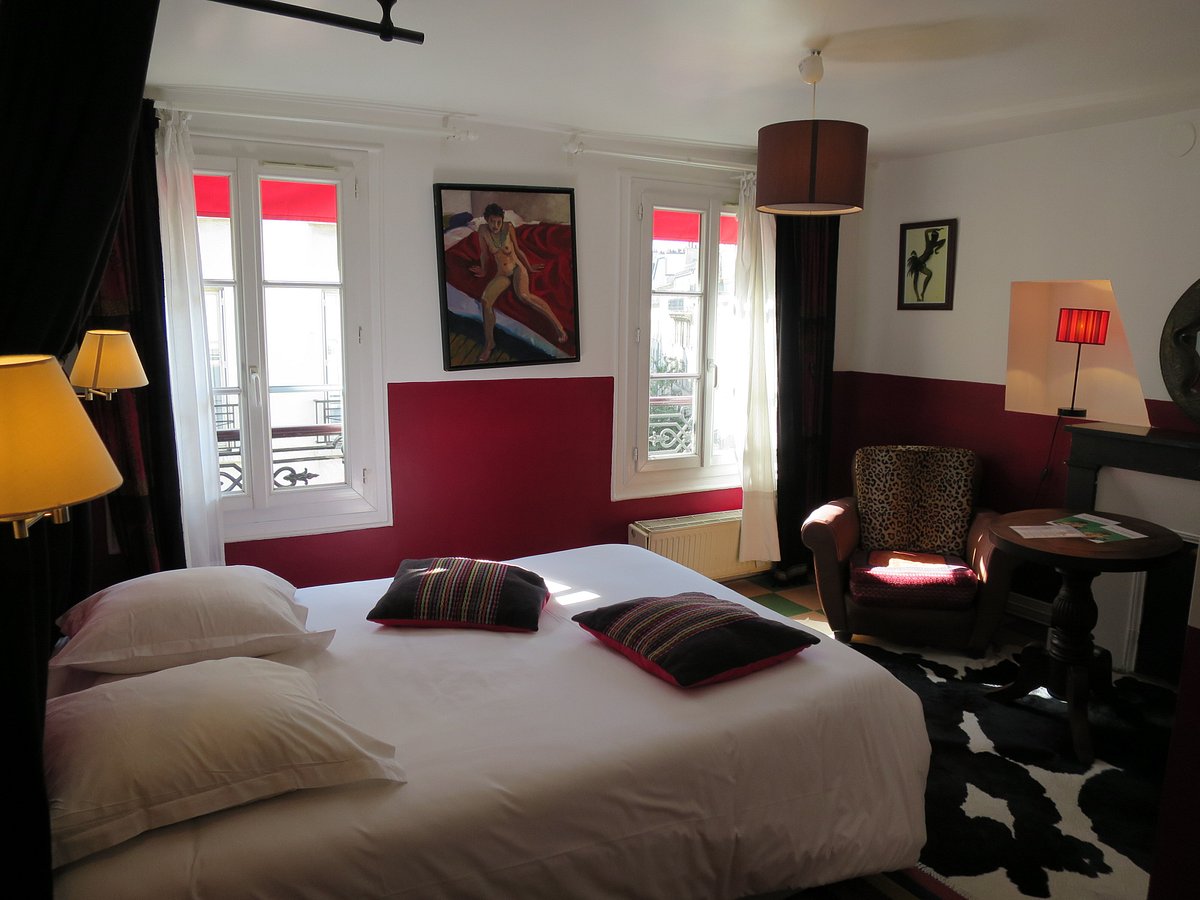
Description
Eldorado, located in the 10th arrondissement of Paris, is a hidden gem that many tourists overlook. While it may not be as well-known as other Parisian landmarks, Eldorado is a must-see for anyone interested in contemporary art. The main attraction of Eldorado is its museum, which features a stunning collection of modern and contemporary art. The museum’s exhibits are constantly changing, so even if you’ve been before, there’s always something new to see. One of the highlights of the museum is its focus on emerging artists. Eldorado is committed to showcasing the work of up-and-coming artists from around the world, giving visitors a chance to discover the next big thing in the art world. In addition to its impressive collection, Eldorado also boasts a beautiful building. The museum is housed in a stunning 19th-century building that has been lovingly restored and renovated. The building’s architecture is a perfect complement to the modern and contemporary art that is displayed inside. Overall, Eldorado is a must-visit for anyone interested in contemporary art. Its focus on emerging artists, constantly changing exhibits, and stunning building make it a unique and exciting destination in Paris.
Key Features
- The Eldorado museum, located in the 10th arrondissement, is home to the Salle de spectacles, a renowned performing arts theater.
- The museum boasts a rich history and is known for its significant contribution to the performing arts scene.
- Visitors can explore the architectural features of the theater, which holds historical significance within the local arts community.
Accessibility and Amenities
- The museum prioritizes accessibility, offering facilities to accommodate visitors with disabilities, including wheelchair access and restroom facilities.
- Amenities at the museum include restrooms, dining options, and a gift shop, providing visitors with a range of conveniences.
- Unique services such as audio guides and coat check are available to enhance the visitor experience.
Planning Your Visit
- The best times to visit the Eldorado museum are during weekdays, particularly in the late morning or early afternoon, to avoid peak visitor traffic.
- On average, visitors spend approximately 2-3 hours exploring the museum and enjoying the theater performances.
- Recommended itineraries include attending a performance at the Salle de spectacles and then exploring the museum's diverse collections, ensuring a comprehensive and engaging visit.
Eldorado: a stage address with music-hall memory
Eldorado belongs to the history of Parisian popular entertainment rather than to the city’s museum circuit. In the late 19th and early 20th centuries, it was a celebrated café-concert and music hall in the 10th arrondissement, part of the era when audiences came to the grands boulevards for songs, comic turns and theatrical evenings. Its importance lies in that association with the commercial, sociable culture of the boulevard spectacle.
Today, the address at 4 boulevard de Strasbourg is a working theatre site: Le Théâtre Libre and La Scène Libre present programming in two auditoriums. The official site also identifies the venue as formerly the Comedia. Approach Eldorado, then, as a historic name attached to an active performance address—not as a stand-alone museum or a fixed historic display. The most rewarding visit is usually built around a performance, with time to read the current programme before choosing a date.
Location and neighbourhood context
Boulevard de Strasbourg runs through a busy, central part of the 10th arrondissement, where transport corridors, everyday shops and performance venues meet. The address sits in the wider Strasbourg–Saint-Denis and Grands Boulevards orbit, an area that retains the direct, animated character of Paris’s historic entertainment routes. It is well suited to a walk that links the theatre district with nearby boulevard architecture and the streets around the Porte Saint-Denis.
This is an urban boulevard experience rather than a riverside or park-side monument stop. Plan on pavement-level Paris: broad traffic-facing avenues, dense pedestrian movement and a neighbourhood that changes pace between daytime errands and evening curtain times. It works especially well as one element in a central Paris itinerary, rather than as an isolated destination requiring a long visit.
Visitor highlights
- Music-hall heritage: a useful stop for travellers interested in the café-concert culture that shaped Parisian nightlife around the turn of the 20th century.
- A living theatre address: the site’s present identity centres on Le Théâtre Libre and La Scène Libre, with programming presented across two rooms.
- Boulevard setting: the location helps explain why entertainment flourished here: it stands on a major central axis rather than apart from city life.
- Good for evening planners: it suits visitors who prefer to pair local history with a booked performance instead of treating the building as a daytime exhibition visit.
Practical planning tips
Check the theatre’s official calendar before setting out, since the programme determines what can be seen and when. If a particular production matters to your trip, reserve ahead rather than relying on availability on the night. For a first look at the boulevard and its surroundings, arrive in daylight; for the full theatrical context, return with enough time to find the entrance, collect any booking information and settle in before the performance begins.
Keep expectations specific. There is no reason to plan museum-length time here unless you are attending a show. Combine the address with a walk through the surrounding 10th arrondissement and central boulevard quarter, and allow extra time in the evening when streets around performance venues can be busier. Details on access arrangements and current practical information should be confirmed directly with the venue before travel.
Frequently asked questions
Is Eldorado a museum?
No. Eldorado is best understood as the historic name of a famous Paris music hall and entertainment venue; the address is now a working theatre site.
What is at the address today?
Le Théâtre Libre and La Scène Libre operate there, presenting a varied programme in two theatres.
Should I visit without a performance ticket?
The boulevard is worth including on a local walk, but a booked performance is the clearest way to experience the address as a live cultural venue.