
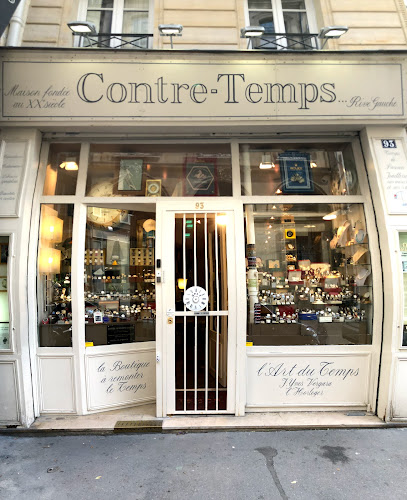
Description
In the heart of Paris, in the Saint-Germain-des-Prés district, lies a unique clock that has captured the attention of visitors for centuries. The Enseigne d’horlogerie, built in 1613, is not only one of the oldest clocks in the world but also one of the most famous. Made of a rare material called “brass,” a mixture of copper and zinc, the clock has a diameter of 26.5 cm (10.4 inches) and weighs 732 grams (25.5 ounces). But it’s not just the clock’s physical attributes that make it so intriguing; it’s the history and significance behind it. The Enseigne d’horlogerie was originally created as a sign for a clockmaker’s shop, but it quickly became a landmark in the city. Throughout the years, it has endured wars, revolutions, and countless changes to the city around it. Today, it stands as a symbol of Parisian history and craftsmanship. Visitors to the Enseigne d’horlogerie can admire the clock’s intricate design and learn about its fascinating past. The clock’s location in the 7th arrondissement puts it in close proximity to other popular Parisian attractions, making it a convenient stop for those exploring the city. Overall, the Enseigne d’horlogerie is a must-see for anyone interested in Parisian history and culture. Its unique story and beautiful craftsmanship make it a standout monument in the city of lights.
Key Features
The Enseigne d'horlogerie, located in the 7th Arrondissement, is a unique museum that showcases the history and artistry of watchmaking. The museum's main feature is its extensive collection of timepieces, highlighting the evolution of watchmaking through the centuries. Notable facts include rare and intricate timepieces, including historical pocket watches and ornate wristwatches. The museum also emphasizes the cultural and artistic significance of timekeeping, making it a must-see for horology enthusiasts.
Accessibility and Amenities
The museum is equipped with accessibility features to accommodate visitors with disabilities, including wheelchair access and accessible restrooms. Additionally, visitors can take advantage of amenities such as a gift shop offering unique timepiece-related items, as well as the option for audio guides to enhance the museum experience.
Planning Your Visit
To make the most of the visit, it is advisable to plan the visit during off-peak hours to avoid crowds and fully appreciate the exhibits. On average, visitors spend approximately 1 to 2 hours exploring the museum. For a comprehensive experience, it's recommended to follow a suggested itinerary that highlights key timepieces and provides insights into the evolution of watchmaking.
What Makes the Enseigne d’horlogerie Notable
The Enseigne d’horlogerie is a historic clockmaker’s sign at 93 rue Saint-Dominique in Paris’s 7th arrondissement. It belongs to the long Parisian tradition of decorative trade signs, which once helped passers-by identify workshops and merchants before modern storefront branding. Rather than a large monument with a formal circuit, it is an architectural detail best appreciated at street level.
Its interest lies in what it represents: the visual language of artisan commerce in pre-Revolutionary Paris. Surviving enseignes of this kind are uncommon, and this one offers a concise way to notice how craftsmanship, trade and public streets once met in the city. The address is also associated with Contre-Temps Paris, a specialist in rare, antique and vintage luxury watches, making the horological connection especially fitting.
Location and Neighborhood Context
Rue Saint-Dominique runs through the 7th arrondissement on the Left Bank, an area known for its institutional streets, residential pockets, embassies and landmark-rich walks. The Enseigne d’horlogerie works well as a short pause while exploring this part of Paris rather than as a destination requiring a long visit. Look up as you approach: the value of an old trade sign is often in its relationship to the façade and the rhythm of the street.
The wider neighborhood is easy to combine on foot with the 7th arrondissement’s riverside side streets and major public spaces. It also provides a useful contrast to the busier sightseeing routes nearby: rue Saint-Dominique remains a real working street, where shops and daily movement sit alongside traces of older Paris. Allow time to wander rather than treating the sign as an isolated photo stop.
Visitor Highlights
- A rare surviving example of the ornate commercial signs that once marked Parisian artisan workshops.
- A focused stop for visitors interested in horology, shopfront details and the small-scale history of the street.
- An exterior architectural observation that suits self-guided walks through the 7th arrondissement.
- A natural addition for travelers who prefer looking beyond headline monuments to the city’s everyday built fabric.
- A useful point of interest for photographers who enjoy façades, lettering and decorative metalwork; be considerate of pedestrians and nearby businesses.
Practical Planning Tips
Visit in daylight, when the form and details of the sign are easiest to see from the pavement. Morning generally offers a calmer opportunity to look closely, while late afternoon can be rewarding for a neighborhood walk; in either case, street activity and delivery traffic can affect sightlines. Take a few minutes to observe the sign from across the street where it is safe to do so, then continue along rue Saint-Dominique at an unhurried pace.
This is primarily an exterior point of interest, so no extended visit is necessary. If you hope to enter a business at the address or seek specialist horological information, check its official channels in advance for current arrangements. Do not assume that a historic sign indicates a museum, public exhibition or drop-in tour. Pairing it with other nearby sights keeps the stop in proportion and leaves room for spontaneous discoveries on foot.
Frequently Asked Questions
What is the Enseigne d’horlogerie?
It is a historic decorative clockmaker’s sign, preserving the tradition of ornate trade signage used by Parisian artisans and merchants.
Where is it located?
The sign is at 93 rue Saint-Dominique, in the 7th arrondissement of Paris.
Is it a museum visit?
No museum visit is indicated. Treat it as an exterior heritage detail and confirm directly with the business if you wish to enquire about access or services.