
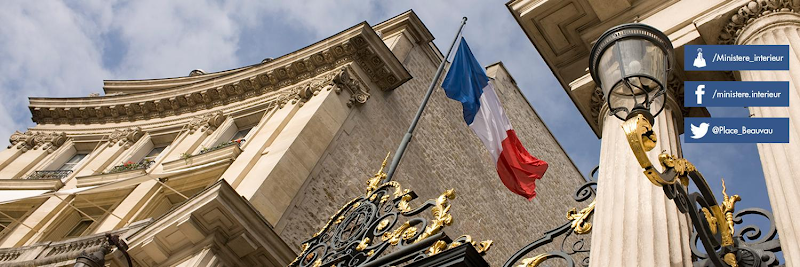
Description
The Hôtel de Beauvau is a hidden gem in the 8th arrondissement of Paris. This historic building, located at Place Beauvau, boasts a rich history that dates back to the 18th century. The hotel was originally built for Charles François de Beauvau, the Prince of Craon, and has since been home to a number of prominent figures, including the Marquis de Lafayette and the Duke of Wellington. Today, the Hôtel de Beauvau serves as a luxurious hotel that offers guests a taste of Parisian history and culture. The hotel’s elegant rooms and suites are decorated with antique furnishings and artwork, creating a sense of old-world charm and sophistication. But the Hôtel de Beauvau is more than just a hotel. The building also houses a number of important artifacts and historical documents, including letters written by Napoleon Bonaparte and a collection of antique maps and prints. Visitors can explore the hotel’s public areas and admire the beautiful architecture and decor, or they can book a room and experience the Hôtel de Beauvau’s unique blend of history and luxury firsthand. Whether you are a history buff, a lover of art and architecture, or simply looking for a unique and memorable place to stay in Paris, the Hôtel de Beauvau is a must-visit destination. With its rich history, beautiful decor, and prime location in one of the city’s most prestigious neighborhoods, the Hôtel de Beauvau is a true Parisian treasure.
Key Features
- The Hôtel de Beauvau, located in the 8th arrondissement, is a historic building that has served as the ministry of the interior for over two centuries.
- It plays a central role in French administration, ensuring the maintenance and cohesion of the country's institutions while guaranteeing the safety of citizens and property.
Accessibility and Amenities
- The museum provides accessibility features to accommodate visitors with disabilities, including ramps and elevators.
- Amenities include restrooms, a gift shop, and audio guides for an enriched visitor experience.
Planning Your Visit
- The best times to visit are during weekdays in the morning to avoid peak visitor traffic.
- Visitors typically spend around 1-2 hours exploring the museum, which allows ample time to appreciate the historical significance and architectural features.
What Makes Hôtel de Beauvau Notable
Hôtel de Beauvau is an 18th-century historic mansion on Place Beauvau in Paris’s 8th arrondissement. Classified as a historic monument, it is best understood as an important piece of Parisian administrative architecture rather than as a conventional visitor attraction. Its formal urban setting and period fabric give it a particular presence within a district associated with state institutions and grand Parisian streets.
Since 1861, the building has served as the official seat of the French Ministry of the Interior. That continuing public role is central to its identity: Hôtel de Beauvau is not a former mansion repurposed as a museum or accommodation, but a working government site. For architecture-minded walkers, its interest lies in the contrast between an 18th-century hôtel particulier and the enduring institutional function it performs today.
Location & Neighborhood Context
Place Beauvau sits in the 8th arrondissement, in a polished central area of Paris shaped by embassies, official residences, offices, luxury retail and broad, formal streets. The surrounding urban character is more governmental and businesslike than village-like, making the site a useful stop on a walk through the western side of central Paris rather than a destination requiring a long standalone visit.
The location works naturally with a stroll around the Élysée area and the streets near rue du Faubourg Saint-Honoré. It is also within the wider walkable orbit of the Champs-Élysées and Madeleine quarter. Pause on and around Place Beauvau to read the building in context: this is an address where Parisian aristocratic architecture and the machinery of the modern state meet. Because it remains an active ministry, keep circulation routes clear and follow any instructions on site.
Visitor Highlights
- An 18th-century hôtel particulier: look for the restrained formality expected of a historic Paris mansion, especially from the public realm around Place Beauvau.
- A working seat of government: the Ministry of the Interior has been based here since 1861, adding institutional significance beyond the building’s architectural age.
- A classified historic monument: it rewards visitors interested in protected Paris architecture and the city’s layers of political history.
- A concise exterior stop: it suits walkers exploring the 8th arrondissement, photography-minded observers of streetscapes, and readers of French civic history.
- Best for context, not a museum-style visit: plan to appreciate the building and its setting from accessible public space unless official access is specifically announced.
Practical Planning Tips
Approach Hôtel de Beauvau as an exterior architectural and neighborhood stop. Daylight makes it easier to observe the façade, the proportions of the square and the relationship between the mansion and its official surroundings. A morning or early-afternoon walk generally gives you more time to continue through the nearby 8th-arrondissement streets at an unhurried pace.
Do not assume public entry, interior visits or photography arrangements are available at a functioning ministry. Security requirements can affect how close visitors may approach and what is appropriate to photograph. Before making a special journey, consult the Ministry of the Interior’s official website for any current access information, public programmes or exceptional openings. If no visit is advertised, allow a short stop and combine it with other sights in the area.
Frequently Asked Questions
What is Hôtel de Beauvau?
It is an 18th-century historic mansion on Place Beauvau and the official seat of the French Ministry of the Interior since 1861.
Is Hôtel de Beauvau a hotel?
No. Despite its name, it is a historic hôtel particulier: a grand private mansion type, now used for government administration.
Can visitors go inside?
It is an active government building, so public access should not be presumed. Check the Ministry of the Interior’s official channels before planning an interior visit.