
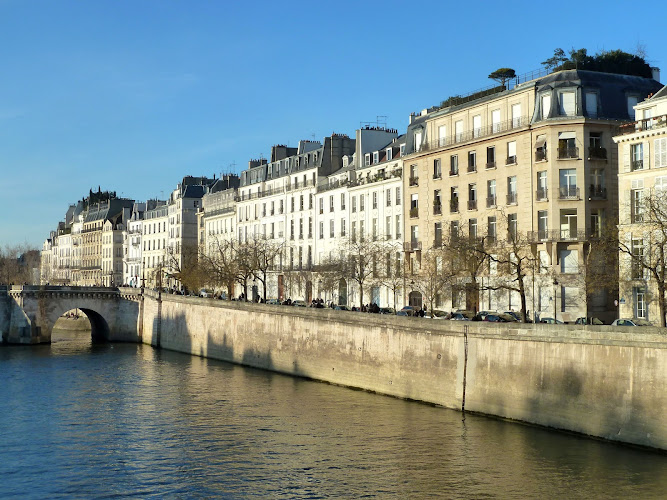
Description
The Hôtel de Comans d’Astry, located in the 4th arrondissement of Paris at 18 quai de Béthune, is a stunning luxury hotel that was built in 1761 by the architect Louis XV, who also designed the Palace of Versailles. The hotel is situated on the banks of the Seine in central Paris and faces the Ile Saint-Louis. The Hôtel de Comans d’Astry boasts a number of historic and traditional features, including a bar and restaurant, a library, a spa, and a garden. The hotel was restored in 1990 by the architect Philippe Starck, who added a modern twist to the classic design. The hotel’s location is perfect for exploring the city, with many of Paris’ most famous attractions within walking distance. The hotel’s bar and restaurant offer delicious French cuisine, and the library provides a peaceful retreat for guests looking to relax with a good book. The hotel’s spa is the perfect place to unwind after a day of sightseeing, and the garden offers a tranquil escape from the hustle and bustle of the city. Overall, the Hôtel de Comans d’Astry is a must-visit destination for anyone looking for a luxurious and historic stay in the heart of Paris. Whether you’re a history buff, a foodie, or simply looking for a relaxing getaway, this hotel has something for everyone.
Key Features:
- The Hôtel de Comans d'Astry, located in the 4th arrondissement, is renowned for its exceptional architectural design, showcasing a blend of Renaissance and classical styles.
- Visitors can explore the monument's rich history, including its role as a private mansion during the 17th century, and its subsequent transformation into a museum.
Accessibility and Amenities:
- The museum is equipped with accessibility features, including ramps and elevators, to ensure a comfortable experience for visitors with disabilities.
- Amenities on-site include restrooms, a charming café offering refreshments, and a gift shop featuring unique souvenirs. Additionally, audio guides are available to enrich the visitor experience.
Planning Your Visit:
- To avoid crowds, it's recommended to plan a visit during weekday mornings or late afternoons.
- Visitors typically spend 1-2 hours exploring the museum's exhibits and historical artifacts, making it an ideal stop for a comprehensive yet leisurely visit.
What Makes Hôtel de Comans d’Astry Notable
Hôtel de Comans d’Astry is a 17th-century private mansion at 18 quai de Béthune in Paris’s 4th arrondissement. Its status as a classified Monument Historique places it among the protected buildings that give central Paris much of its architectural depth. The word hôtel here means an aristocratic town house, not a hotel accommodation: it is a useful distinction when planning a visit.
The building belongs to the historic fabric associated with the Marais and the older quarters around the Seine. Rather than approaching it as a conventional museum stop, see it as part of a close-looking walk through Parisian domestic architecture: a chance to notice the scale, proportions and street presence of a former private residence within an exceptionally preserved central setting.
Location & Neighborhood Context
The address on quai de Béthune places the mansion on Île Saint-Louis, in the 4th arrondissement, beside the Seine and within easy walking territory of the Marais. This is a compact historic area best explored on foot, where narrow streets, quays and bridges make the route as important as any single façade. The island’s residential character creates a quieter contrast with the busier streets and larger visitor sites on the nearby riverbanks.
Allow time to combine the address with an unhurried circuit of Île Saint-Louis, then cross toward the Marais for its dense network of old streets and squares. The Seine-side position is especially useful for orienting yourself: the quays provide a clear walking line, while bridges connect the island to both banks of the river.
Visitor Highlights
- Protected 17th-century architecture: the classification as a Monument Historique gives the building particular heritage importance.
- A revealing Parisian building type: it is a historic private mansion, offering context for how elite urban residences were conceived in earlier Paris.
- Seine-side setting: the quai de Béthune location works naturally within a walk along Île Saint-Louis and its river edges.
- Best for observant walkers: architecture-minded visitors, history readers and photographers of streetscapes will get the most from a slow exterior view.
- Easy to pair with nearby districts: it suits a self-guided route linking the island with the Marais rather than a rushed stand-alone stop.
Practical Planning Tips
Plan to see Hôtel de Comans d’Astry as an exterior architectural stop unless you have confirmed that access is available for the date of your visit. A historic designation does not, by itself, indicate regular public entry, tours or interior viewing. Check current access arrangements through authoritative local or heritage information before making a special journey.
Morning is a good time for a quieter walk around Île Saint-Louis; later in the day, allow extra time for the quays and nearby streets. Keep the stop flexible, since the reward lies in observing the building in its urban context. Wear comfortable shoes for the island’s pavements and leave room in your itinerary to cross into the Marais at an unhurried pace.
Frequently Asked Questions
Where is Hôtel de Comans d’Astry?
It stands at 18 quai de Béthune, in the 4th arrondissement, on Île Saint-Louis in central Paris.
Is Hôtel de Comans d’Astry a hotel?
No. It is a historic private mansion. In this context, hôtel refers to a grand urban residence rather than visitor lodging.
Can visitors go inside?
Do not assume interior access. Confirm current public-entry arrangements in advance, and plan the address primarily as an exterior heritage sight.