
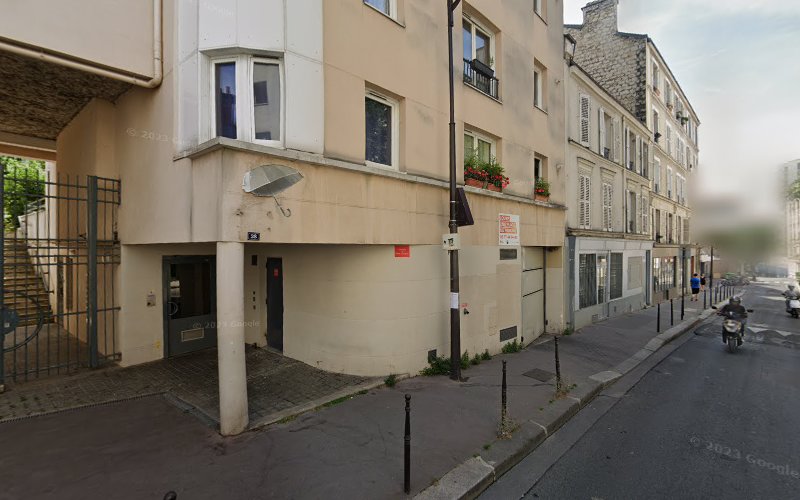
Description
The Hôtel de Mademoiselle Duchesnois, located at 3 rue de la Tour-des-Dames in Paris, France, is a hidden gem in the city’s 9th arrondissement. This stunning mansion, built in the 19th century, was once the home of the famous French actress Mademoiselle Duchesnois. Today, it is open to the public as a museum, showcasing the impressive collection of art and antiques that she accumulated during her lifetime. Visitors to the Hôtel de Mademoiselle Duchesnois can marvel at the exquisite architecture and decor of the mansion, which has been beautifully preserved over the years. The museum’s collection includes a wide range of paintings, sculptures, furniture, and decorative objects, many of which are from the 18th and 19th centuries. Highlights include a stunning portrait of Mademoiselle Duchesnois herself, as well as works by notable artists such as Jean-Baptiste Greuze and Jean-Honoré Fragonard. One of the most unique aspects of the Hôtel de Mademoiselle Duchesnois is the opportunity to see how a wealthy Parisian lived in the 19th century. The museum’s rooms are decorated with period furnishings and decor, giving visitors a glimpse into the luxurious lifestyle of the French aristocracy. From the grand salon to the intimate boudoir, each room is a feast for the eyes. Overall, the Hôtel de Mademoiselle Duchesnois is a must-see for anyone interested in French history, art, and culture. Its stunning architecture, impressive collection, and unique insights into the life of a Parisian actress make it a true hidden gem in the City of Light.
Key Features:
- The Hôtel de Mademoiselle Duchesnois is a historical landmark with a rich history dating back to its construction in the 19th century.
- It is renowned for its architectural significance, featuring stunning period-specific design elements and intricate detailing.
Accessibility and Amenities:
- The museum is committed to accessibility, offering facilities to accommodate visitors with disabilities, including wheelchair access and accessible restrooms.
- Visitors can enjoy amenities such as on-site dining options, gift shops, and audio guides to enhance their experience.
Planning Your Visit:
- The best times to visit are during weekdays to avoid peak visitor traffic, especially in the mornings.
- On average, visitors spend approximately 1-2 hours exploring the museum, allowing ample time to appreciate its unique attractions and historical significance.
What Makes Hôtel de Mademoiselle Duchesnois Notable
Hôtel de Mademoiselle Duchesnois is a historic Parisian residence at 3 rue de la Tour-des-Dames, associated with Catherine-Joséphine Duchesnois. She was among the celebrated tragic actresses of the Comédie-Française in the early 19th century, and the address preserves a connection with that theatrical career. It is therefore best approached as a small-scale place of memory within the city, rather than as one of Paris’s large, purpose-built monuments.
The name is useful context in itself: in Paris, an hôtel in a historic building name can denote an urban residence, not visitor accommodation. The interest here lies in linking a particular address to a performer whose reputation belonged to the serious dramatic stage. For travellers interested in theatre history, the Comédie-Française, or the personal geography behind Parisian cultural life, it adds a focused stop to a walk through the 9th arrondissement.
Location and Neighbourhood Context
The address sits in the 9th arrondissement, on rue de la Tour-des-Dames, in the area often associated with Nouvelle Athènes and the streets between Saint-Georges and Pigalle. This is a compact central district where residential façades, former private residences, theatres and everyday cafés sit close together. Its appeal is less about a single grand vista than about reading the city block by block.
Allow time to explore on foot rather than treating the address as an isolated destination. The surrounding streets make sense as part of a broader Upper 9th walk, with the theatre-oriented districts to the south and the slopes toward Montmartre to the north. It is also a practical area to combine with other cultural stops, provided you keep the day deliberately flexible and do not assume access to every historic building.
Visitor Highlights
- A theatre-history address: the residence is associated with Catherine-Joséphine Duchesnois and her early-19th-century standing at the Comédie-Française.
- A revealing 9th-arrondissement stop: it gives context to a district shaped by cultural life as well as domestic Parisian streets.
- Best for curious walkers: ideal for readers of French theatre, biography and Parisian history who enjoy tracing an address rather than only visiting major institutions.
- A concise addition to an itinerary: view it as part of a neighbourhood walk, not as a substitute for a museum visit or a major theatrical performance.
Practical Planning Tips
Plan to see the building from the street unless you have independently confirmed authorised access. A historic residence may be private or have limited entry, and an association with a notable resident does not by itself indicate that interiors, collections or guided visits are available. Check current access arrangements before making a special journey.
Daylight is the most useful time for observing the streetscape and finding the address without rushing. Pair the stop with a gentle walk through the surrounding 9th arrondissement, leaving room for detours and pauses. If your interest is specifically Duchesnois’s career, prepare by reading about the Comédie-Française and tragic acting of her period; the visit becomes more meaningful when treated as a biographical waypoint.
Frequently Asked Questions
Who was Mademoiselle Duchesnois?
Catherine-Joséphine Duchesnois was a celebrated tragic actress of the Comédie-Française in the early 19th century.
Is this a hotel where visitors can stay?
No accommodation information is indicated. Here, “Hôtel” refers to the historic name of a residence.
Can visitors go inside?
Do not presume interior access. Confirm current permission or visiting arrangements before you go.