
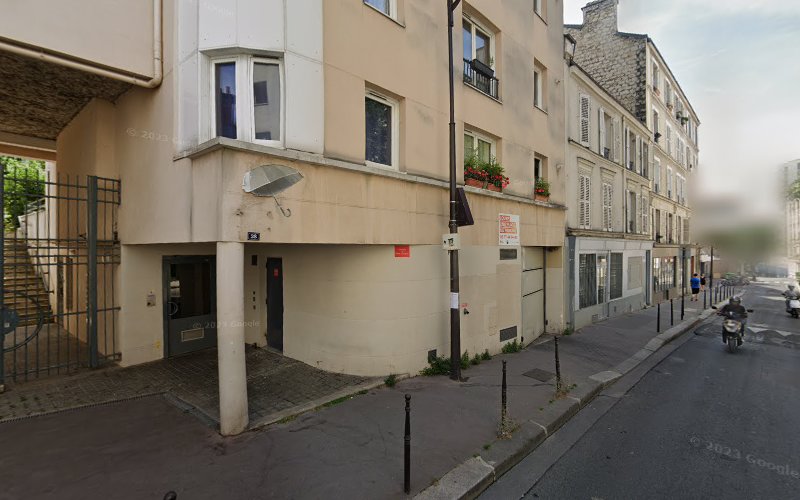
Description
The Hôtel de Sourdéac is a hidden gem in the heart of Paris. This stunning historic hotel was built over 1,000 years ago by King Louis XIV in 1660. Located in the 6th Arrondissement, the hotel is just steps away from the Luxembourg Gardens and the Louvre Museum. It’s also in close proximity to the Eiffel Tower and the Arc de Triomphe. The hotel has a rich history of hosting many famous people and royalty. In fact, it was the site of the Duke and Duchess of Windsor’s wedding in 1908. The hotel has also been frequented by the Princess of Wales and Queen Elizabeth II. The Hôtel de Sourdéac is not just a place to stay, it’s an experience. The hotel’s beautiful architecture and rich history make it one of the most unique and stunning hotels in the world. It’s the perfect location for a romantic getaway or for anyone looking to immerse themselves in Parisian history and culture. Don’t miss out on the opportunity to stay at this incredible hotel and experience the magic of Paris like never before.
Key Features:
- The Hôtel de Sourdéac, located in the 6th arrondissement, is renowned for its exquisite architectural features, including ornate detailing and classical design elements.
- This historic monument boasts a rich history, having served as a significant residence in Paris for centuries.
- Visitors can explore the unique blend of architectural styles and immerse themselves in the historical significance of the building.
Accessibility and Amenities:
- The museum is equipped with accessibility features to ensure a welcoming experience for visitors with disabilities, including wheelchair access and facilities.
- Amenities on-site include restrooms, and visitors can also enjoy the convenience of dining options and a gift shop.
- Unique services such as audio guides and coat check are available to enhance the visitor experience.
Planning Your Visit:
- The best times to visit the Hôtel de Sourdéac are during weekdays to avoid peak visitor traffic, allowing for a more leisurely exploration of the museum.
- On average, visitors spend approximately 1-2 hours exploring the monument, allowing ample time to appreciate its historical and architectural significance.
- Recommended itineraries include starting with the exterior to admire the building's architectural details, followed by a guided tour of the interior to fully appreciate its historical and cultural value.
What Makes Hôtel de Sourdéac Notable
Hôtel de Sourdéac is a historic Parisian hôtel particulier at 8 rue Garancière, in the 6th arrondissement. Despite the word “hôtel,” an hôtel particulier is a private urban residence rather than a conventional place to book a room. The building dates from the 17th century, is associated with the Marquis de Sourdéac, and is recognised as a heritage monument.
Its interest lies in the quieter, close-grained fabric of old Paris: a historically significant residence set on a narrow Left Bank street, rather than a monumental landmark designed for broad public viewing. It rewards visitors who enjoy reading the city through its streets, façades and surviving domestic architecture. Treat it as an architectural stop on a walk, with attention to the building’s street presence and its place in the neighbourhood.
Location & Neighbourhood Context
Rue Garancière sits in the 6th arrondissement, in the Saint-Germain-des-Prés and Saint-Sulpice area of the Left Bank. This is an established central quarter of narrow streets, religious landmarks, bookshops, cafés and long-lived residential buildings. The scale is intimate and walkable, so Hôtel de Sourdéac fits naturally into an unhurried exploration rather than a stand-alone excursion.
From here, the Luxembourg Gardens are a useful green pause, while the streets running north lead towards the Seine and the river crossings into the historic centre. The surrounding quarter is particularly good for combining architectural observation with a walk through Saint-Germain-des-Prés. Allow time for detours: the appeal is as much the relationship between streets and buildings as any single façade.
Visitor Highlights
- A 17th-century hôtel particulier, offering a focused example of Parisian residential heritage.
- Its association with the Marquis de Sourdéac adds historical context to the address.
- A setting in the 6th arrondissement, well suited to a self-guided walk through Saint-Germain-des-Prés and around Saint-Sulpice.
- A worthwhile stop for architecture-minded visitors, Paris history readers and photographers interested in streetscape details.
- Best approached as an exterior architectural sight unless access is clearly confirmed in advance.
Practical Planning Tips
Visit during daylight, when the façade and the proportions of the street are easiest to appreciate. Morning is often a calmer time for looking closely at architectural details; later in the day works well if you are pairing the address with a longer Left Bank walk. Keep this stop flexible, since it is best enjoyed as part of the surrounding neighbourhood rather than as a timed attraction.
Do not assume that historic status means public interior access. Check current access arrangements through authoritative local information before making a special journey, and respect any private entrances, residents and posted restrictions. Comfortable shoes are useful for the uneven rhythms of a walking itinerary, and the Luxembourg Gardens or the Seine can provide a natural break before continuing.
Frequently Asked Questions
Is Hôtel de Sourdéac a hotel where visitors can stay?
No. In this context, hôtel particulier means a historic private townhouse or mansion, not a standard accommodation property.
Where is Hôtel de Sourdéac in Paris?
It is at 8 rue Garancière in the 6th arrondissement, in the Left Bank area around Saint-Germain-des-Prés and Saint-Sulpice.
Can visitors go inside Hôtel de Sourdéac?
Public interior access should not be presumed. Plan to view it from the street unless current official information confirms otherwise.