
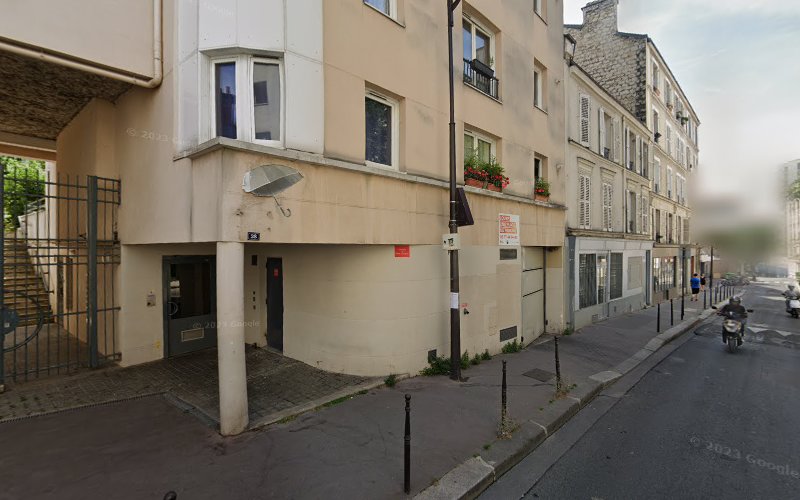
Description
The Hôtel des Parlementaires de la Fronde is a stunning former royal palace that dates back to the late 16th century. This magnificent building is located in the 4th arrondissement of Paris and is one of the city’s most beautiful structures. Visitors to Paris should make it a point to see this historic monument, which has played a significant role in French history. During the French Revolution, the Hôtel des Parlementaires de la Fronde served as the seat of the French Parliament. Later, it became the seat of the French government. Today, the building is home to the French National Assembly, and it remains one of the most famous buildings in Paris. As a protected monument, the Hôtel des Parlementaires de la Fronde is a testament to the city’s rich history and cultural heritage. The Hôtel des Parlementaires de la Fronde is a must-see for anyone interested in French history and architecture. The building’s stunning façade and intricate details are a testament to the skill and craftsmanship of the artisans who built it. Visitors can explore the interior of the building, which has been restored to its former glory. The Hôtel des Parlementaires de la Fronde is a unique and fascinating monument that offers a glimpse into the past and the rich history of Paris.
Key Features
- The Hôtel des Parlementaires de la Fronde, located in the 4th arrondissement, is a historical monument that served as the residence of the Parliament members during the Fronde, a series of civil wars in France during the mid-17th century.
- Visitors can explore the unique architectural features of the building, which reflect the grandeur of the period and the historical significance of the Fronde.
Accessibility and Amenities
- The museum is equipped with accessibility features to accommodate visitors with disabilities, including wheelchair access and accessible restrooms.
- Amenities at the museum include restrooms, a gift shop offering souvenirs and educational materials, and audio guides providing detailed insights into the historical significance of the monument.
Planning Your Visit
- To avoid crowds, it is recommended to visit the museum during weekdays in the early morning or late afternoon.
- The average visit duration is approximately 1 to 1.5 hours, allowing visitors to fully appreciate the historical significance and architectural beauty of the monument.
- A recommended itinerary includes exploring the museum's exhibits, admiring the architectural details, and enjoying a leisurely stroll in the surrounding area to fully immerse in the historical ambiance of the 4th arrondissement.
What Makes It Notable
Hôtel des Parlementaires de la Fronde is a historic mansion at 3 rue des Lions-Saint-Paul, in Paris’s 4th arrondissement. Its significance lies in its association with parliamentary figures of the Fronde, the mid-17th-century rebellion that unfolded during the early reign of Louis XIV. Rather than presenting history as a distant royal narrative, the address points to a period when political authority in Paris was actively contested.
The word hôtel here means a private urban mansion, not a hotel for overnight stays. This is a useful distinction when exploring the Marais, where historic residences are embedded in ordinary streets rather than isolated within a monumental precinct. The building is best approached as one stop in a wider walk through the district’s layers of civic, residential and political history.
Location & Neighborhood Context
The address sits in the Marais, in the eastern part of the 4th arrondissement, close to the Saint-Paul quarter. This is a dense, walkable area of narrow streets and long-established urban blocks, where the interest often comes from looking carefully at doorways, courtyards and the changing scale of former private residences. The Seine is within easy walking distance, making the site a natural addition to a riverside and Marais itinerary.
Allow time to wander rather than treating the address as a stand-alone destination. The surrounding streets reward a slower pace, and the location combines well with a walk through the historic Marais or along the river. As with many buildings in this part of Paris, its relationship to the street is part of the experience: look up, step back where space allows, and notice how a substantial historic residence fits within a compact neighborhood.
Visitor Highlights
- Fronde context: A useful place to consider the parliamentary dimension of the mid-17th-century Fronde and the political uncertainty of Louis XIV’s early reign.
- Marais urban history: The address helps explain why the Marais is especially rewarding for visitors interested in historic private architecture and the city’s older residential fabric.
- A self-guided walking stop: Best suited to history-minded walkers who enjoy linking individual addresses to the wider story of Paris.
- Street-level observation: A concise stop for travelers who prefer to study a building’s setting and character without committing to a major museum visit.
Practical Planning Tips
Visit during daylight, when architectural details and the texture of the surrounding streets are easier to appreciate. Early in the day is often preferable for a quieter walk; later afternoon can work well if this is part of a longer Marais and Seine route. Keep the stop flexible: the historical interest is concentrated, but the nearby streets can easily extend the visit.
Do not assume that historic mansions in residential or mixed-use Paris streets offer public interior access. Check current access arrangements before planning a visit inside, and respect entrances, residents and any posted instructions. There is no need to book simply to include the address in an exterior-focused walking itinerary, but organized heritage visits should always be confirmed in advance when available.
Frequently Asked Questions
Where is Hôtel des Parlementaires de la Fronde?
It is at 3 rue des Lions-Saint-Paul in the 4th arrondissement, in the Marais near the Saint-Paul quarter.
What does the name refer to?
It refers to the building’s association with parliamentary figures involved in the Fronde, a mid-17th-century rebellion.
Can visitors go inside?
Public interior access is not established here. Confirm current arrangements locally before expecting to enter.