
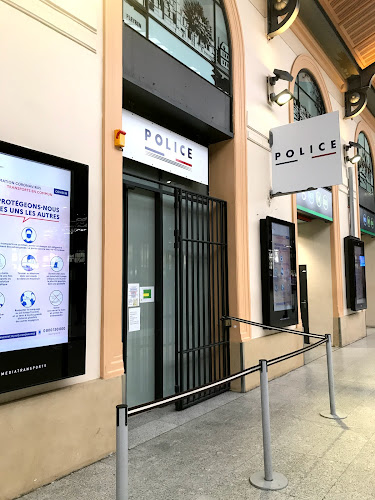
Description
Gare Saint-Lazare is a station in the 8th arrondissement of Paris, and it is a must-see destination for anyone who loves trains and transportation history. The station is a hub for the network of the Paris Métro, and it is a major point of departure for the RER D line, which is the main rail line in the city. The station is also served by the Paris RER A line. As you enter the station, you will be struck by the grandeur of the architecture. The station was designed by architect Juste Lisch in the late 19th century, and it is a beautiful example of the Beaux-Arts style. The station’s main hall is particularly impressive, with its soaring ceilings, ornate decorations, and sweeping staircases. One of the highlights of a visit to Gare Saint-Lazare is the chance to see some of the historic locomotives and rolling stock that are on display in the station. These include a steam locomotive from the 1930s, a vintage railcar from the 1950s, and a sleek TGV high-speed train that is sure to impress. But Gare Saint-Lazare is more than just a museum of transportation history. It is also a bustling transportation hub that connects Paris to destinations throughout France and beyond. As you wander through the station, you will see travelers coming and going, rushing to catch their trains or pausing to grab a bite to eat at one of the many cafes and restaurants that are located within the station. Whether you are a transportation enthusiast, a history buff, or simply someone who loves to explore the hidden corners of Paris, a visit to Gare Saint-Lazare is sure to be a memorable experience. So why not hop on a train and see it for yourself?
Key Features:
- Gare Saint-Lazare is known for its historical significance as a major train station in Paris, immortalized in the works of renowned artists such as Claude Monet.
- The museum showcases the architectural evolution of the station and its impact on art and literature, offering a unique perspective on the intersection of transportation and culture.
Accessibility and Amenities:
- The museum is equipped with accessibility features to accommodate visitors with disabilities, including wheelchair access and accessible restrooms.
- Amenities include restrooms, dining options, and a gift shop. Additionally, visitors can avail themselves of audio guides for an enriched experience.
Planning Your Visit:
- To avoid crowds, it's advisable to visit the museum during weekdays and early mornings.
- Visitors typically spend around 1-2 hours exploring the museum and its exhibits. A recommended itinerary includes exploring the historical exhibits, admiring the architectural features, and enjoying the museum's unique ambiance.
What Makes Gare Saint-Lazare Notable
Gare Saint-Lazare is one of Paris’s oldest and busiest railway stations: a working gateway rather than a conventional monument. Its daily role gives the building its particular energy, with travellers passing through on journeys towards Normandy and the suburban rail network. For visitors, it offers a useful way to see how a major Paris station functions while taking in a place with a long cultural history.
The station is especially associated with Claude Monet, who made it the subject of a celebrated series of paintings in 1877. That connection changes the way to look at the site. Instead of seeking a museum display, notice the broad station setting, shifting light and movement that interested the Impressionist painter. Gare Saint-Lazare works best as an architectural and art-history stop folded into a day in the surrounding neighbourhood, or as a memorable beginning or end to a rail journey.
Location and Neighbourhood Context
The station is at 9, 11, 13 and 15 rue d’Amsterdam, in the 8th arrondissement. This is a busy, built-up part of central Paris where rail infrastructure meets wide streets, offices, shops and the commercial districts around the grands magasins. The atmosphere is practical and fast-moving, particularly at commuter times, rather than quiet or residential.
On foot, use Gare Saint-Lazare as a link between the 8th arrondissement and the streets leading towards the 9th. It is well placed for an urban walk through the Europe quarter and the nearby department-store area. It is not a Seine-side landmark, so visitors looking for river views should treat the station as part of a broader central-Paris itinerary rather than a riverside promenade. Allow time to orient yourself outside as well as inside: several streets converge around the station.
Visitor Highlights
- Impressionist context: a rewarding stop for anyone interested in Monet’s 1877 Gare Saint-Lazare paintings and the modern city they portray.
- A living railway landmark: the appeal lies in observing an active Paris station, not in treating it as a static museum.
- Useful location: suitable for travellers beginning a Normandy or suburban rail journey, and for walkers exploring the 8th and adjacent central districts.
- Short or longer visit: it suits a quick architectural pause, but art and transport enthusiasts can linger to observe the scale and rhythm of the place.
Practical Planning Tips
Visit outside the busiest arrival and departure periods if you want more space to look around and take photographs without interrupting passenger flow. If you are travelling by train, arrive with a comfortable margin: this is a major station, and it is sensible to confirm your departure information on the day. Keep the station visit focused and combine it with a walk nearby rather than allocating the time you might give to a ticketed museum.
Check the official Gare Saint-Lazare information before setting out for current access arrangements and rail-service details. Have your route onward planned, particularly if you are carrying luggage. The station can be most rewarding when approached with a clear purpose: catching a train, tracing Monet’s Paris, or using it as a landmark while exploring this busy part of the city.
Frequently Asked Questions
Why is Gare Saint-Lazare associated with Claude Monet?
Monet depicted the station in a celebrated series of paintings made in 1877, making it an important Paris reference point for Impressionist art.
Is Gare Saint-Lazare worth visiting without taking a train?
Yes, especially for visitors interested in rail history, urban architecture or Monet. It is best enjoyed as a brief stop within a neighbourhood walk.
Where is Gare Saint-Lazare in Paris?
It is on rue d’Amsterdam in the 8th arrondissement, close to the boundary with the commercial streets of central Paris.