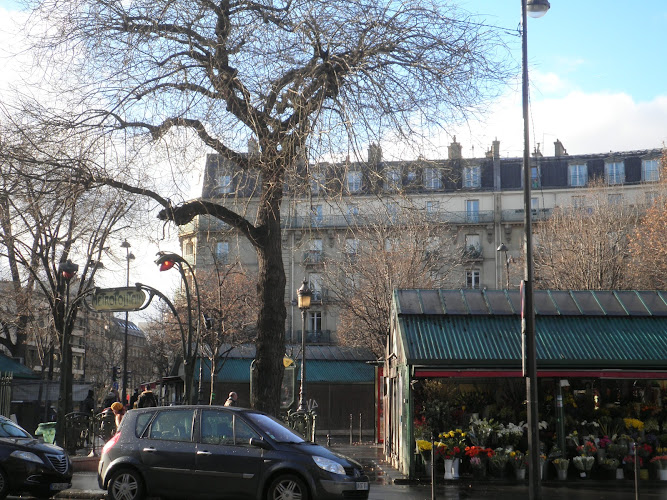
Édicule Guimard of the Ternes station
Ternes is a Paris Station De Métro landmark located in the 17 arrondissement. Table of ContentsOrganic plant forms transform transportation into urban poetryBotanical architecture and naturalistic engineeringTypography and comprehensive design visionEarly preservation recognition and cultural appreciationContemporary relevance and design inspirationEssential informationDesign and cultural significanceNature-inspired infrastructure creates urban botanical gardenNearby in 17 Organic plant forms transform […]
Ternes is a Paris Station De Métro landmark located in the 17 arrondissement.
Table of Contents
- Organic plant forms transform transportation into urban poetry
- Botanical architecture and naturalistic engineering
- Typography and comprehensive design vision
- Early preservation recognition and cultural appreciation
- Contemporary relevance and design inspiration
- Essential information
- Design and cultural significance
- Nature-inspired infrastructure creates urban botanical garden
- Nearby in 17
Organic plant forms transform transportation into urban poetry
At Ternes station in the 17th arrondissement, the Édicule Guimard stands as one of Hector Guimard’s iconic “entourage” style metro entrances, where cast iron balustrades decorated with organic whiplash motifs and floral cartouches demonstrate how Art Nouveau philosophy could transform utilitarian transportation infrastructure into sculptural experiences that educated Parisians about modernist design principles. Among the first six Guimard entrances protected as Historical Monuments in 1965, this entrance proves how innovative public art can serve both practical urban mobility and aesthetic instruction through design excellence that integrates beauty into essential city services while creating distinctive Parisian architectural identity.
Botanical architecture and naturalistic engineering
The entrance’s sinuous cast iron lampposts shaped like plant stems, topped with orange molded “flower buds” supporting the MÉTROPOLITAIN sign, demonstrate how Guimard’s naturalistic observation could inform urban infrastructure through forms that suggested botanical growth rather than mechanical assembly. This biomimetic approach proved that exceptional public design emerges when artists study nature’s structural solutions to create human infrastructure that harmonizes with organic environments while serving technological transportation requirements through beauty that connects urban dwellers to natural wisdom.
The whiplash motifs and floral cartouches decorating the balustrades created visual rhythm that transformed routine metro access into encounters with Art Nouveau’s central principle that functional design should embody natural forms through manufacturing techniques that honor rather than ignore organic inspiration while serving practical urban infrastructure needs that require both structural integrity and aesthetic excellence integrated into transportation systems serving millions of daily users.
Typography and comprehensive design vision
Guimard’s custom lettering for the station name and MÉTROPOLITAIN signage demonstrates how comprehensive artistic vision must address every design element to achieve stylistic coherence, where typography serves aesthetic unity while maintaining practical legibility required for effective transportation signage. This typographic innovation proved that successful public art requires attention to all visual components through coordinated design that ensures functional elements enhance rather than compromise overall aesthetic achievement while serving practical communication needs.
The integration of custom letterforms with organic cast iron elements created a distinctive Parisian metro identity that proved how systematic artistic vision could influence entire urban transportation networks through coordinated design that maintained stylistic consistency while adapting to diverse neighborhood contexts and functional requirements for effective public communication within beautiful artistic frameworks that served both practical information and cultural education.
Early preservation recognition and cultural appreciation
The 1965 Historic Monument classification of the Ternes entrance, among the first six Guimard installations to receive protection, recognized this entrance’s exceptional significance within French Art Nouveau heritage while acknowledging Guimard’s contribution to transforming urban infrastructure into cultural landmarks. This early preservation effort proved that exceptional public art can achieve rapid historical recognition when design excellence transcends temporary aesthetic fashion to serve lasting cultural value through innovation that continues inspiring urban planning approaches prioritizing beauty alongside functionality.
The protection alongside Porte Dauphine, Pigalle, and Château d’Eau entrances demonstrated how systematic preservation efforts could protect Art Nouveau’s finest achievements when cultural authorities recognized the irreplaceable value of innovative public art that served both immediate practical transportation needs and long-term aesthetic education through design excellence that enriched daily urban experience for generations of Parisians and international visitors seeking authentic encounter with Belle Époque modernist achievement.
Contemporary relevance and design inspiration
Today’s continued daily use by thousands of commuters proves that exceptional urban design achieves immortality through ongoing functional service rather than museum preservation, where Guimard’s organic forms continue facilitating metro access while providing aesthetic enrichment that demonstrates how authentic public art enhances rather than complicates urban infrastructure. This practical continuity shows how the finest transportation design serves both immediate mobility needs and long-term cultural inspiration through beauty that makes ordinary commuting experiences more meaningful and culturally significant.
Essential information
- Designer: Hector Guimard (Art Nouveau master)
- Type: Entourage style with shields and square base
- Design period: 1900-1913 (Style Métro era)
- Location: Ternes station, 17th arrondissement
- Materials: Cast iron painted oxidized brass green
- Early protection: Historical monument (1965)
- Design elements: Whiplash motifs, floral cartouches, custom typography
- Lighting: Orange molded “flower bud” lamps on plant-stem posts
Design and cultural significance
- Naturalistic concept: Plant-stem lampposts with flower-bud lighting
- Typographic innovation: Custom Guimard lettering for station signage
- Comprehensive vision: Every element designed for aesthetic unity
- Cultural recognition: Among first protected Guimard entrances (1965)
- Ongoing function: Active transportation service maintaining aesthetic excellence
Nature-inspired infrastructure creates urban botanical garden
The Édicule Guimard at Ternes embodies the revolutionary Art Nouveau principle that urban infrastructure can achieve botanical beauty through design that transforms functional transportation access into encounters with natural wisdom expressed through cast iron plant forms and organic decorative motifs, where Hector Guimard’s vision proved that metro entrances could serve both practical mobility needs and aesthetic education through sculptural installations that connected metropolitan commuters to nature’s structural intelligence. This extraordinary entrance demonstrates how exceptional public art emerges when functional requirements inspire rather than constrain artistic expression, creating transportation infrastructure that continues serving both immediate practical needs and long-term cultural inspiration through design excellence that proves authentic urban beauty emerges from understanding natural forms rather than imposing mechanical solutions on organic city environments requiring infrastructure that enhances rather than dominates human-scale neighborhood contexts. For Art Nouveau enthusiasts, botanical design admirers, or anyone interested in how natural observation can inspire urban architecture, this Ternes entrance offers a remarkable encounter with infrastructure poetry, where cast iron plant stems and flower-bud lighting create transportation art that proves the finest public design achieves immortality through ongoing daily use that makes ordinary commuting experiences more beautiful, culturally significant, and spiritually enriching than purely functional approaches to essential metro access could accomplish through utilitarian design that ignores the profound human need for beauty integrated into practical urban services serving diverse metropolitan communities.