
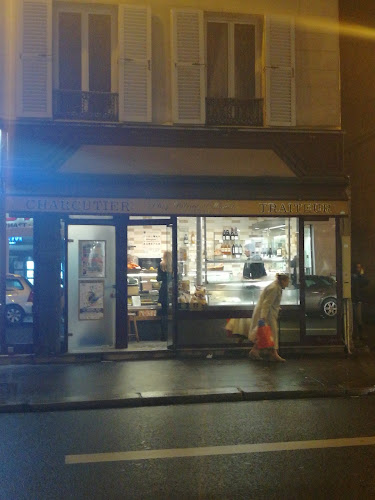
Description
Nestled in the heart of the 6th arrondissement, just off the Boulevard de la Madeleine, is a true Parisian gem: the Butcher Shop. This family-owned establishment has been serving up traditional French meats since 1920 and continues to thrive under the same family’s care. Upon entering the shop, you are immediately greeted by the tantalizing aroma of freshly cut meats and cheeses. The four trained butchers behind the counter are always ready to assist you in selecting the perfect cut for your needs, whether it’s beef, lamb, pork, or veal. And let’s not forget the cheese! The shop also offers a variety of traditional French cheeses that will make your taste buds sing. But the Butcher Shop is more than just a place to buy meat and cheese. It’s a place where locals come to socialize and catch up on the latest news. It’s a place where you can immerse yourself in Parisian culture and witness the art of traditional butchery firsthand. And if you’re planning a dinner party or just want to stock up on meat and cheese for the week, the Butcher Shop has got you covered with their bulk options. So if you’re looking for an authentic Parisian experience, make sure to add the Butcher Shop to your itinerary. You won’t be disappointed.
Key Features
- The Butcher shop in Arrondissement 6 is a unique historical monument, showcasing the traditional architecture and design of a traditional Parisian butcher shop.
- Visitors can explore the rich history and significance of the butchery trade in Paris, with displays of traditional tools, equipment, and historical artifacts.
Accessibility and Amenities
- The museum is equipped with accessibility features to accommodate visitors with disabilities, including wheelchair access and accessible restrooms.
- Visitors can enjoy amenities such as a gift shop offering unique souvenirs related to the butchery trade, and audio guides providing detailed insights into the exhibits.
Planning Your Visit
- The best times to visit the Butcher shop are during the early morning hours to avoid the peak visitor traffic.
- On average, visitors spend approximately 1-1.5 hours exploring the unique exhibits and historical displays at the Butcher shop.
- Recommended itineraries include exploring nearby attractions in Arrondissement 6 after visiting the Butcher shop.
What Makes This Butcher Shop Notable
At 62 rue de Vaugirard, this entry draws attention to a traditional Parisian boucherie: a type of neighbourhood business that has long formed part of everyday urban life. A butcher shop is not only a practical stop for food shopping; it is also a useful way to read the city at street level, through its specialised trade, counter service and relationship with the surrounding residential quarter.
Parisian butcher shops can preserve decorative details that distinguish them from more standard retail fronts. Ornate tiling, traditional signage and period interior décor are associated with the 19th-century character of many boucheries. The appeal here is therefore architectural as well as culinary: look at the façade and shopfront as part of the long-lived commercial fabric of Paris, while remembering that this is a working business rather than a conventional museum visit.
Location & Neighborhood Context
The address is in the 6th arrondissement on rue de Vaugirard, on Paris’s Left Bank. This is a central, walkable area where residential streets, independent shops, cafés and institutions sit close together. Rue de Vaugirard is one of the capital’s long historic thoroughfares, making the butcher shop easy to place within a wider walk through the arrondissement rather than treating it as an isolated stop.
Allow time to explore the streets around the Luxembourg Gardens and the Odéon area, then continue north towards the Seine and the Saint-Germain quarter if your route permits. The value of this address lies in that sequence: it offers a glimpse of a traditional food trade amid the everyday movement of the Left Bank, alongside larger cultural and civic landmarks.
Visitor Highlights
- A detail-oriented street stop: suitable for visitors interested in traditional Paris shopfronts and the visual language of neighbourhood commerce.
- Everyday Paris context: a useful addition to a self-guided walk focused on markets, food shops and local trades rather than major monuments alone.
- Architectural observation: look for tiled surfaces, lettering, display arrangements and other features associated with classic boucherie décor.
- Well suited to independent walkers: the 6th arrondissement rewards unhurried exploration on foot, especially when combined with nearby gardens and Left Bank streets.
- A working-shop perspective: approach respectfully, keep entrances clear and treat any purchase or conversation as part of a normal commercial exchange.
Practical Planning Tips
Plan this as a brief observational stop within a broader 6th-arrondissement itinerary. Morning or early afternoon can be a sensible time to walk the area, when daylight helps with façade details and local shops are more likely to be part of the street scene. Before making a special journey, confirm current opening arrangements directly with the business, as trading schedules and holiday closures can change.
There is no need to over-programme the visit. Pause outside first, take in the relationship between the frontage and the street, and enter only if you intend to browse or buy. Avoid photographing customers or staff without permission. Pair the stop with a stroll toward the Luxembourg Gardens, the Odéon district or the Seine, leaving room for the small discoveries that make this part of Paris rewarding on foot.
Frequently Asked Questions
Is this a museum or a working shop?
It is presented as a traditional butcher shop. Visit with the expectations and courtesy appropriate to an active local business.
Why is a boucherie included in a monument guide?
Traditional boucheries can be significant for their historic role in Parisian urban life and for decorative features such as tiled façades and classic décor.
What should I combine with a visit?
Use it as part of a walk through the 6th arrondissement, with the Luxembourg Gardens, Odéon area and Left Bank streets providing natural context.