
Description
Located in the 3rd arrondissement of Paris, Couvent de la Merci is a prestigious private school that has been educating students since 1676. The school is a member of the French Catholic Church and is housed in a stunning historical building that has been its home since its inception. While the school offers a wide range of courses in different languages, what sets it apart is its emphasis on extracurricular activities. Couvent de la Merci has a plethora of clubs and activities to choose from, providing students with a well-rounded education. From sports teams to music groups, students have the opportunity to pursue their passions and develop new ones. But it’s not just the courses and activities that make Couvent de la Merci special. The building itself is a work of art. The historical architecture is breathtaking, transporting visitors back in time to when the school was first founded. The sense of history and tradition is palpable, and it’s easy to see why Couvent de la Merci is one of the most famous and well-known private schools in France. Whether you’re a student looking for an exceptional education or a visitor looking to experience the beauty and history of Paris, Couvent de la Merci is a must-see. With its combination of academic excellence and extracurricular activities, it truly offers something for everyone.
Key Features
The Couvent de la Merci, located in the 3rd arrondissement, is a historical landmark and tourist attraction with a rich history dating back to its origins as a convent. Visitors can explore its unique architectural features and immerse themselves in its historical significance, making it a must-see destination in Paris.
Accessibility and Amenities
The museum strives to provide accessibility for all visitors, with features such as wheelchair access and restroom facilities. Additionally, guests can take advantage of audio guides to enhance their experience and a gift shop to purchase souvenirs.
Planning Your Visit
To avoid crowds, it is advisable to plan a visit during non-peak hours. Visitors typically spend around 1-2 hours exploring the museum and its surroundings. A recommended itinerary includes exploring the architectural details, learning about the historical significance, and taking time to appreciate the unique atmosphere of the Couvent de la Merci.
What Makes Couvent de la Merci Notable
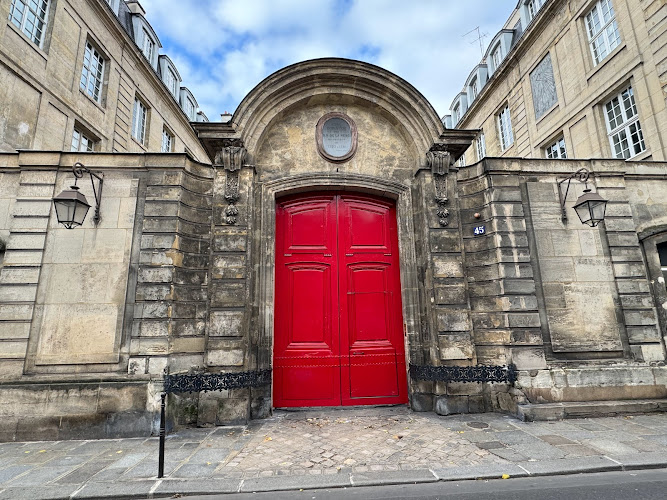
Couvent de la Merci is a historic religious site at 45 rue des Archives in Paris’s 3rd arrondissement. It is associated with the Order of Our Lady of Mercy and forms part of the Marais’s long-lived religious and architectural landscape. The surviving buildings date from the 17th century, making the address an evocative point of reference for readers interested in how former convents remain embedded in central Paris.
The interest here is principally architectural and urban rather than that of a conventional, fully interpreted monument. Look at the relationship between the old convent fabric and rue des Archives: this is a dense historic street where institutional buildings, residences and small-scale city life sit closely together. Couvent de la Merci rewards a slower look at the built environment and at the layers of religious history that have shaped the Marais.
Location and Marais Context
The address lies in the 3rd arrondissement, within the Marais. This part of Paris is well suited to exploring on foot, with short streets, changing perspectives and a concentration of older buildings. Rue des Archives is itself a useful north–south route through the district, so the convent can fit naturally into a walk through the northern and central Marais.
The surrounding quarter feels urban and historic rather than park-like: the appeal is in its street pattern, façades and the continuity of the neighborhood. From here, walks can continue through the Marais toward the Seine to the south, or into adjoining central districts. Treat the site as one stop in a broader architectural walk, rather than planning an entire day around it alone.
Visitor Highlights
- 17th-century context: the buildings date from the 1600s and offer a tangible link to the religious heritage of the Marais.
- A historic address: 45 rue des Archives places the former convent on one of the district’s characteristic old streets.
- Architectural observation: it suits visitors who enjoy reading Paris through its façades, street lines and former institutional sites.
- An easy addition to a walk: the location works well for independent explorers already spending time in the 3rd arrondissement and the Marais.
- A quieter focus: it is particularly relevant for history and architecture-minded visitors who do not need a formal museum-style visit.
Practical Planning Tips
Plan to view Couvent de la Merci as part of a daytime walk, when details of the street and building are easier to appreciate. Morning can offer a calmer pace on rue des Archives; later in the day, allow extra time for the general foot traffic of the Marais. Leave room in your itinerary to pause and examine the exterior without blocking the pavement.
Do not assume that interiors are open for casual visits. As with many historic religious or institutional properties in Paris, access may be limited or subject to current arrangements. Confirm any possibility of entry directly with the relevant site contact before making a special journey, and do not rely on a general sightseeing itinerary for access details. No ticketing or timed-visit information is provided here.
Frequently Asked Questions
Where is Couvent de la Merci?
It stands at 45 rue des Archives, in the 3rd arrondissement of Paris, in the Marais district.
Why is Couvent de la Merci historically important?
It was originally founded by the Order of Our Lady of Mercy, and its 17th-century buildings reflect the area’s religious architectural heritage.
Can visitors go inside Couvent de la Merci?
Public interior access is not established by the available information. Check directly before planning an interior visit.