
Description
The Hôtel de Nevers, located in the 2nd arrondissement of Paris, is a hidden gem that is often overlooked by tourists. The building, which dates back to the 17th century, was once the residence of the Duke of Nevers and has since been converted into a museum. Visitors are treated to a unique glimpse into the lives of the aristocracy during the 17th and 18th centuries. The museum’s collection includes a vast array of furniture, tapestries, and artwork that once adorned the halls of the Hôtel de Nevers. One of the highlights of the museum is the grand salon, which features a stunning painted ceiling and intricate woodwork. The room is a testament to the opulence and grandeur of the era and is sure to leave visitors in awe. Another must-see exhibit is the collection of 18th-century French clocks, which are considered some of the finest in the world. The intricate designs and delicate craftsmanship of these timepieces are truly remarkable. The Hôtel de Nevers is also home to a collection of rare books and manuscripts, including a first edition of Voltaire’s Candide. Visitors can peruse these treasures in the museum’s reading room, which is decorated with beautiful frescoes and antique furnishings. Overall, the Hôtel de Nevers is a must-visit for anyone interested in French history and culture. The museum offers a unique and intimate look into the lives of the aristocracy during the 17th and 18th centuries, and its collection of artwork, furniture, and rare books is truly impressive.
Key Features
- The Hôtel de Nevers, located in the 2nd arrondissement, is a historical landmark with a rich history dating back to the 17th century.
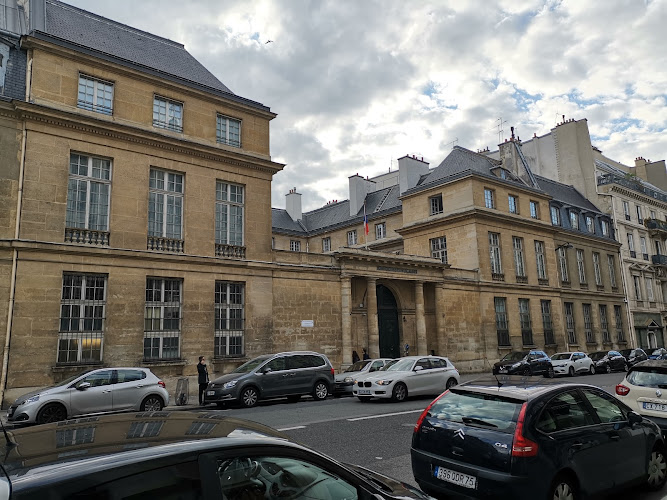
- Visitors can explore the unique architectural features of the building, including its elegant facade and well-preserved interior, offering a glimpse into Parisian history.
Accessibility and Amenities
- The museum is equipped with accessibility features to accommodate visitors with disabilities, including wheelchair access and restroom facilities.
- Amenities on-site include restrooms and a gift shop, offering visitors the opportunity to purchase souvenirs and mementos of their visit to this iconic landmark.
Planning Your Visit
- The best times to visit the Hôtel de Nevers are during weekdays, particularly in the morning, to avoid larger crowds and fully appreciate the historical significance of the site.
- Visitors typically spend around 1 to 1.5 hours exploring the museum and its surroundings. It is recommended to plan a visit to nearby attractions, such as cafes and other historical landmarks, to make the most of the experience.
What Makes Hôtel de Nevers Notable
Hôtel de Nevers is a 17th-century hôtel particulier: the Paris term for a grand private urban residence rather than a modern hotel. Its interest lies in that architectural and social history, tied to the aristocratic world of early modern Paris and to one of France’s great noble families. It is a worthwhile stop for travellers who like to read the city through its surviving residential fabric, beyond its better-known public monuments.
The name invites a slower kind of visit. Instead of approaching it as a large, self-contained attraction, consider it an address that helps explain how elite households were once established within central Paris. The scale suggested by an hôtel particulier, its street presence and its relationship to the surrounding blocks are part of the experience. Architectural-minded visitors will find the most value in observing the building in context and allowing time for the wider neighbourhood.
Location & Neighbourhood Context
The listed addresses are 12 rue Colbert and 58 bis rue de Richelieu, in the 2nd arrondissement. This is a compact, central part of Paris where historic streets, commercial activity and cultural institutions sit close together. Rue de Richelieu is a useful north–south route through the area, while rue Colbert offers a more intimate street setting. The location works especially well as part of an on-foot exploration of the 2nd arrondissement and the neighbouring Palais-Royal area.
Plan the visit as an architectural pause rather than an isolated destination. Central Paris rewards walking: the streets around the address make it easy to connect the monument with nearby squares, passages and older urban blocks. The Seine is not the immediate setting here, so visitors seeking riverside views should treat Hôtel de Nevers as part of a separate central-city walk rather than a quayside itinerary.
Visitor Highlights
- A historic 17th-century hôtel particulier with an aristocratic association.
- A chance to focus on Parisian residential architecture rather than monumental civic buildings.
- A central 2nd-arrondissement location suited to a self-guided walking itinerary.
- Particularly rewarding for visitors interested in noble history, historic streets and the evolution of Parisian neighbourhoods.
- Best approached by observant walkers who enjoy façades, proportions and the city’s layered built environment.
Practical Planning Tips
Visit in daylight, when exterior details and the relationship between the two listed streets are easiest to appreciate. Morning is often a good choice for a calmer architectural walk; late afternoon can also work well if you are continuing towards nearby central districts. Keep expectations appropriately focused: an historic address does not necessarily function like a museum with a standard visitor circuit.
Before setting out, check current access arrangements through reliable official local information, particularly if you hope to see beyond the street frontage. Do not assume that interiors are open, that photography is permitted, or that admission is offered. Pair the stop with other sights in the area, and leave room to wander rather than scheduling it as a long standalone visit.
Frequently Asked Questions
Where is Hôtel de Nevers?
It is listed at 12 rue Colbert and 58 bis rue de Richelieu, in Paris’s 2nd arrondissement.
What kind of building is it?
It is a historic hôtel particulier, a grand private residence, dating from the 17th century and associated with aristocratic heritage.
Can visitors tour the interior?
Public interior access is not established here. Confirm current conditions before travel and enjoy the surrounding streets as part of the visit.