
Description
The Hôtel du 12 rue de Courcelles is a hidden gem in the heart of Paris. This four-star hotel is located in the 16th arrondissement, making it close to the city’s most famous sites, including the Eiffel Tower, the Louvre, and the Seine. But what sets this hotel apart from the rest is its understated elegance and charm. The hotel’s exterior may seem unassuming, but once inside, guests are transported to a world of luxury and sophistication. The rooms are tastefully decorated with a mix of modern and traditional styles, creating a warm and inviting atmosphere. The hotel also boasts a beautiful courtyard garden, perfect for a relaxing afternoon tea or a romantic evening under the stars. One of the hotel’s biggest advantages is its proximity to the Gare du Nord, Paris’s central train station. This makes it an ideal choice for travelers who want to explore the city and beyond. But even if you’re not planning on leaving Paris, the Hôtel du 12 rue de Courcelles is the perfect place to call home during your stay. Overall, the Hôtel du 12 rue de Courcelles is a must-visit for anyone looking for a unique and memorable stay in Paris. Its combination of location, elegance, and charm make it a standout among the city’s many hotels.
Key Features:
- The Hôtel du 12 rue de Courcelles, located in the 8th arrondissement of Paris, is a modern hotel housed within a townhouse, offering bold and contemporary rooms and suites.
- The hotel is known for its unique blend of modern amenities within a historic setting, providing guests with a distinctive and memorable accommodation experience.
Accessibility and Amenities:
- The museum ensures accessibility for all visitors, including those with disabilities, with features such as wheelchair ramps and accessible restrooms.
- Amenities at the hotel include free Wi-Fi, dining options, and a range of services such as audio guides and a gift shop, enhancing the overall visitor experience.
Planning Your Visit:
- The best times to visit the Hôtel du 12 rue de Courcelles are during off-peak hours to avoid crowds and fully appreciate the unique ambiance of the hotel.
- Visitors typically spend around 1-2 hours exploring the hotel, and it is recommended to combine the visit with nearby attractions in the 8th arrondissement for a comprehensive itinerary.
What Makes Hôtel du 12 rue de Courcelles Notable
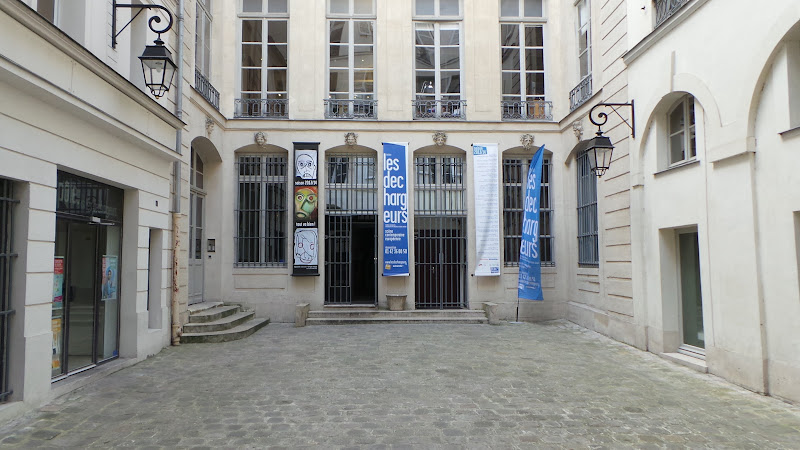
Hôtel du 12 rue de Courcelles is a 19th-century private mansion in Paris’s 8th arrondissement, protected as a classified historic monument. In this context, “hôtel” means an hôtel particulier: an urban private residence rather than a conventional lodging establishment. Its interest lies in the architectural character of the Haussmann era, when Parisian streets, façades and residential buildings were reshaped on an ambitious scale.
The address offers a useful point of reference for readers interested in the city beyond its headline monuments. Rather than an isolated landmark, it belongs to the composed streetscape of the western 8th arrondissement, where substantial historic residences sit alongside offices, shops and later buildings. Look closely at the relationship between the building and the street: the measured façade, the urban alignment and the formal scale are central to understanding its period.
Location & Neighborhood Context
The mansion stands at 12 rue de Courcelles in the 8th arrondissement. This is a polished, central Paris district with a more businesslike and residential rhythm than the dense museum quarters on the Right Bank. Rue de Courcelles is well suited to an architecture-focused walk, especially for visitors who enjoy observing how private mansions, apartment buildings and broad urban routes create a continuous 19th-century cityscape.
Plan it as part of a wider stroll through the surrounding streets rather than as a destination requiring a long standalone visit. The area is easy to appreciate on foot: façades, entrance gates, balconies and stone detailing reward a slower pace. It also makes a sensible stop when exploring the 8th arrondissement’s grander residential and commercial avenues, where planning and architecture often matter as much as individual interiors.
Visitor Highlights
- A classified historic monument with a 19th-century private-mansion identity.
- Haussmann-era architectural character, best appreciated from the public street.
- A compact addition to a self-guided walk through the 8th arrondissement.
- Particularly rewarding for architecture students, heritage-minded visitors and photographers interested in Parisian façades.
- A useful reminder that Parisian heritage includes residential architecture as well as museums, churches and civic landmarks.
Practical Planning Tips
View the building in daylight, when its stonework and façade proportions are easier to read. Morning can be calmer for street photography, while later in the day gives the neighborhood a fuller sense of its working-city rhythm. Allow time to walk both directions along rue de Courcelles rather than treating the address as a quick photograph.
Do not assume that a classified private mansion has public interior access, guided visits or hotel services. Check the current status directly before making a special trip, and respect entrances, residents and any access controls. There is no need to build an itinerary around a ticketed visit unless an official announcement specifically confirms one; the exterior and its place in the streetscape are the dependable focus.
Frequently Asked Questions
Is Hôtel du 12 rue de Courcelles a hotel?
Its name refers to a private mansion. It should not be assumed to operate as visitor accommodation.
Can visitors go inside?
Public interior access is not established. Confirm any current access arrangements directly before visiting.
Why is it historically important?
It is a classified historic monument noted for its 19th-century, Haussmann-era architectural character.