
Description
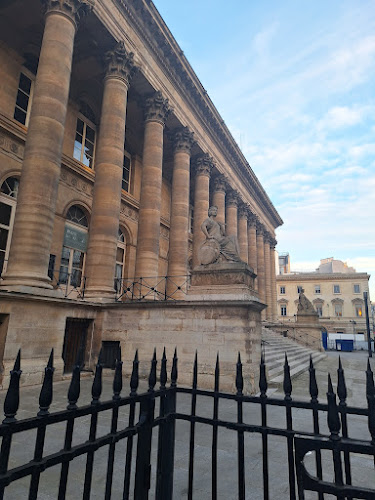
The Palais Brongniart is a magnificent building located in the heart of Paris’ 2nd arrondissement. This iconic structure, situated on Place de la Bourse, is home to both the Bank of France and the National Museum of Modern Art. The Palais Brongniart is a testament to the rich cultural and intellectual history of Paris. Built in the early 19th century, it was originally designed as a stock exchange, and its neoclassical architecture is a stunning example of the period’s style. Today, the Palais Brongniart is a hub of activity, with visitors from all over the world coming to explore its many exhibits and events. The National Museum of Modern Art, housed within the building, is home to an impressive collection of contemporary art, including works by some of the world’s most renowned artists. But the Palais Brongniart is more than just a museum. It is a symbol of the city’s enduring spirit and a testament to its rich history and cultural heritage. Whether you’re a seasoned traveler or a first-time visitor to Paris, a visit to the Palais Brongniart is a must-see experience that is sure to leave a lasting impression.
Key Features
- The Palais Brongniart, located in the 2nd arrondissement, was originally built in the 19th century as a stock exchange and now serves as a conference center with a blend of modern and ornate spaces for events.
- The monument boasts a rich historical significance as the former stock exchange, offering visitors a unique opportunity to experience the architectural grandeur of the era.
Accessibility and Amenities
- The museum provides accessibility features to accommodate visitors with disabilities, ensuring inclusivity and a barrier-free experience.
- Amenities include restrooms, dining options, and gift shops, catering to the needs of visitors. Additionally, unique services such as audio guides and coat check are available to enhance the visitor experience.
Planning Your Visit
- To avoid crowds, it is advisable to visit during the early morning or late afternoon to fully appreciate the monument's beauty without the rush of peak hours.
- Visitors typically spend around 1-2 hours exploring the monument. Recommended itineraries include guided tours to gain a deeper understanding of the historical and architectural significance of the Palais Brongniart.
What Makes Palais Brongniart Notable
Palais Brongniart, also known as the Palais de la Bourse, gives Place de la Bourse its monumental character. This neoclassical building was designed by Alexandre-Théodore Brongniart, completed by Éloi Labarre, and served as the Paris Stock Exchange from 1826 to 1998. Its long, ordered façade and colonnaded exterior make it one of the clearest architectural markers of Paris’s former financial district.
Today, the building operates as a conference and events venue rather than as a conventional museum. That distinction matters when planning a visit: the exterior and the square are dependable stops on a central Paris walk, while access to interior spaces depends on the programme in place. The site remains an important address for exhibitions, conferences and gatherings, linking its commercial past with contemporary Parisian business and cultural life.
Location & Neighborhood Context
The palais stands on Place de la Bourse in the 2nd arrondissement, a compact central area shaped by commerce, offices, passages and broad streets. It sits north of the Louvre and the Seine, making it easy to combine with a walk through the historic centre without treating it as a destination that requires a full day. The surrounding streets shift quickly between business-oriented addresses and the cafés, shops and theatres of the Grands Boulevards area.
For public transport, Bourse is served by line 3; Grands Boulevards is served by lines 8 and 9. Several bus routes stop at Bourse. The setting works especially well as a pause between the covered passages and the boulevard quarter: step back across the square for the most coherent view of the building’s rhythm of columns and its relationship to the open space.
Visitor Highlights
- A major neoclassical façade: the exterior is the principal architectural draw, with a formal composition suited to close-looking as well as wider photographs from Place de la Bourse.
- A former exchange with a clear story: it provides a useful point of reference for understanding the 19th-century development of Paris as a commercial capital.
- A central walking stop: it suits architecture-minded visitors, first-time Paris itineraries and anyone moving between the Louvre area and the Grands Boulevards.
- An active events building: check the official programme if you hope to enter, as exhibitions and events determine what is accessible on a given day.
Practical Planning Tips
Plan Palais Brongniart as a short exterior visit unless an advertised event gives you a reason to spend longer inside. Morning can be calmer for observing the façade and square before the business-day flow builds; later in the day is useful if you are continuing towards the boulevard restaurants and theatres. Allow time to circle the building rather than viewing it only from one side.
Before travelling specifically for interior access, consult the official website for the current calendar and entry arrangements. Event venues can have restricted areas, private functions or changing security procedures. If you are arriving by car, the official practical information lists Parking Bourse | Q-Park; public transport is generally the simpler choice for a central itinerary.
Frequently Asked Questions
Is Palais Brongniart the former Paris Stock Exchange?
Yes. It served as the Paris Stock Exchange from 1826 until 1998 and is also known as the Palais de la Bourse.
Can visitors go inside Palais Brongniart?
It is now an events and conference venue, so interior access depends on the event programme and arrangements in force.
What is the easiest way to reach Palais Brongniart?
Bourse on line 3 is nearby. Grands Boulevards, served by lines 8 and 9, is another practical option.