
Description
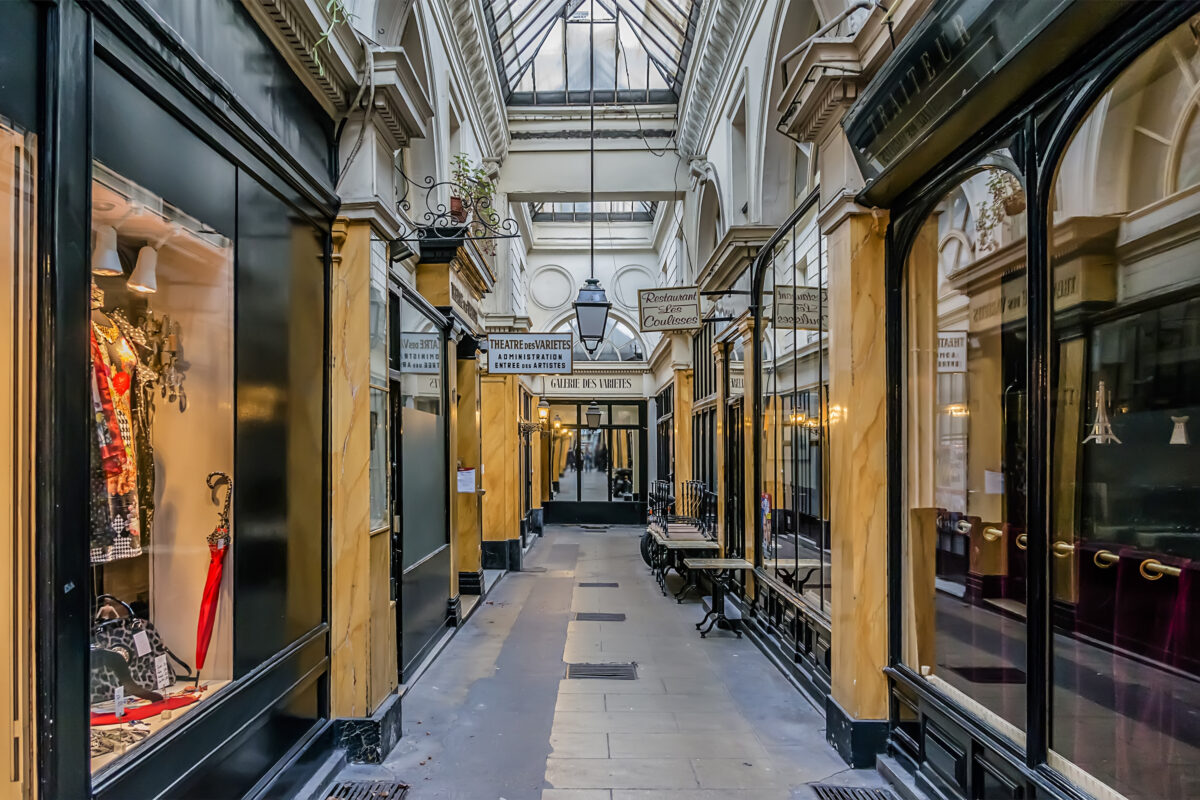
Hidden away in the heart of Paris’ 2nd arrondissement lies the Passage des Panoramas, a beautifully preserved 19th-century covered walkway that is a must-visit for any traveler seeking an authentic Parisian experience. The Passage des Panoramas is a true gem of Paris, offering a glimpse into the city’s rich history and culture. The passage is comprised of three separate streets: Rue Saint-Marc, Boulevard Montmartre, and Rue Vivienne, all of which are lined with charming shops and restaurants. The passage is perhaps best known for its stunning glass roof, which allows natural light to flood in and creates a truly magical atmosphere. As you wander through the passage, you’ll be transported back in time to a bygone era of Parisian elegance and sophistication. One of the most unique features of the Passage des Panoramas is its collection of antique shops, which offer a treasure trove of vintage finds and one-of-a-kind souvenirs. Whether you’re a seasoned collector or just looking for a unique memento of your trip to Paris, the antique shops in the Passage des Panoramas are sure to delight. Of course, no visit to the Passage des Panoramas would be complete without sampling some of the delicious cuisine on offer. From traditional French bistros to trendy fusion restaurants, there is something to suit every taste and budget. And with its intimate, cozy atmosphere, the passage is the perfect place to enjoy a leisurely meal and soak up the ambiance. In short, the Passage des Panoramas is a true Parisian treasure that should not be missed. With its stunning architecture, unique shops, and delicious cuisine, it offers a glimpse into the city’s rich history and culture that is sure to leave a lasting impression on any traveler lucky enough to visit.
Key Features
The Passage des Panoramas is one of the first covered passages in Paris, dating back to 1799. Its ornate architecture and historical significance make it a must-see attraction. The walkway features a unique blend of historical charm and a variety of shops, offering visitors a glimpse into Parisian history and culture.
Accessibility and Amenities
The museum is equipped with accessibility features to accommodate visitors with disabilities. Additionally, amenities such as restrooms, dining options, and gift shops are available on-site. Visitors can also take advantage of unique services such as audio guides and coat check facilities.
Planning Your Visit
For the best experience, it's recommended to visit the Passage des Panoramas during off-peak hours to avoid crowds. On average, visitors spend up to 45 minutes exploring the passage. To make the most of the visit, consider exploring nearby attractions or enjoying a leisurely stroll through the surrounding area.
What Makes Passage des Panoramas Notable
Opened in 1799, Passage des Panoramas is among Paris’s oldest covered arcades. It offers a direct encounter with the city’s early culture of indoor shopping passages: a narrow, sheltered route where small storefronts, signs and changing display windows make the walk itself part of the experience. Rather than functioning as a single attraction with a fixed circuit, it rewards unhurried looking and repeat visits.
The passage is especially associated with philately shops and engravers, alongside an eclectic mix of places to eat. That combination gives it a distinctive working character. Collectors can browse specialist windows, while visitors without a collecting interest can appreciate the close scale and the contrast between the busy boulevard outside and the more contained interior passage. It is a historic site best approached as part of a walk through central Paris rather than as an all-day destination.
Location and Neighbourhood Context
Passage des Panoramas sits in the 2nd arrondissement, with access at 10 rue Saint-Marc, 11 and 13 boulevard Montmartre, and 38 and 38 bis rue Vivienne. These entrances place it between the broad movement of the Grands Boulevards and the tighter street pattern around rue Vivienne. Use the different entrances to understand its role as a shortcut as well as a destination.
This part of the 2nd is well suited to walking: the boulevard frontage feels animated and commercial, while the passage offers a more intimate change of pace. Build it into a wider stroll through the central districts, allowing time to notice adjoining streets rather than treating it as a quick photo stop. Its covered character can also make it a useful stop when the weather is unsettled.
Visitor Highlights
- A historic covered arcade: a concise introduction to the passage architecture that shaped Parisian shopping and strolling.
- Philately and engraving specialists: particularly rewarding for stamp collectors, print enthusiasts and visitors who enjoy detailed shopfront browsing.
- Multiple approaches: entering from boulevard Montmartre and leaving via rue Vivienne or rue Saint-Marc makes the passage feel connected to the surrounding streets.
- Food alongside specialist retail: a practical choice for travellers who want to combine a central walk with a pause for a meal.
- Suited to independent explorers: best for visitors happy to set their own pace, look into windows and absorb everyday activity rather than follow a formal visit.
Practical Planning Tips
Visit early in the day for a calmer first look, or later on when you want to pair the passage with lunch or dinner nearby. The experience is compact, but it is easy to spend longer if specialist shops interest you, so avoid scheduling it as a rushed transit point. Walk the length once, then retrace your steps to examine the details and decide where to stop.
No advance booking is needed simply to plan a walk through the passage, but restaurants and individual businesses operate independently. Check directly with any venue you intend to visit, especially if a particular shop or meal is central to your day. Keep your route flexible: the pleasure here lies in browsing, and narrow passageways are more enjoyable when you can yield space and linger without a timetable.
Frequently Asked Questions
When did Passage des Panoramas open?
It opened in 1799, making it one of Paris’s oldest covered arcades.
What is Passage des Panoramas known for?
It is known for its historic covered setting, philately shops, engravers and varied dining options.
Where are the entrances to the passage?
You can access it from rue Saint-Marc, boulevard Montmartre and rue Vivienne in Paris’s 2nd arrondissement.