
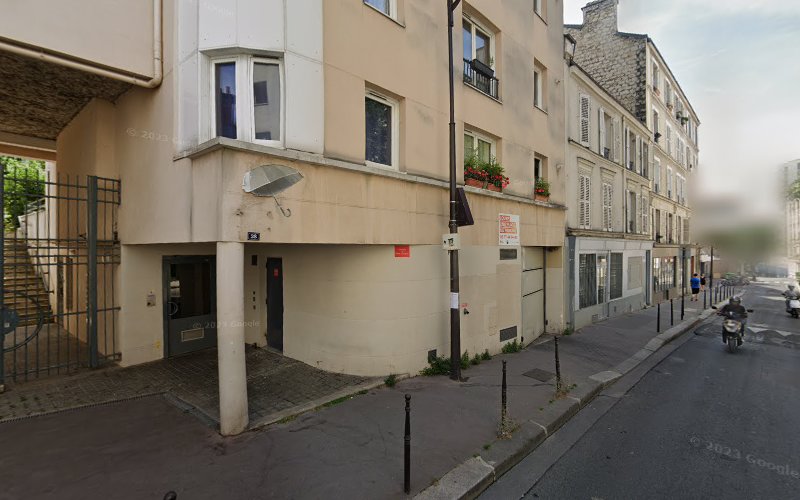
Description
The Reservoir de l’hôpital Saint-Louis is a must-visit destination for anyone interested in Paris’ rich history and culture. As one of the oldest public buildings in the city, the reservoir has played an important role in shaping the city’s identity. Built in 1763, this iconic landmark has now been transformed into a museum that provides visitors with a unique glimpse into Paris‘ past. Located in the 10th arrondissement at 7 rue Juliette-Dodu, the Reservoir de l’hôpital Saint-Louis is home to the Paris City Hall. The building’s impressive architecture and historical significance make it a popular destination for tourists and locals alike. As you explore the museum, you’ll discover fascinating exhibits that showcase the reservoir’s rich history and the role it has played in shaping Paris’ culture. Whether you’re interested in learning about the building’s architectural design or the fascinating stories behind its construction, the Reservoir de l’hôpital Saint-Louis has something for everyone. As you walk through the museum’s halls, you’ll be transported back in time to a different era and gain a deeper understanding of Paris’ unique identity. Overall, the Reservoir de l’hôpital Saint-Louis is a must-visit destination for anyone interested in Paris’ rich history and culture. With its impressive architecture, fascinating exhibits, and unique location at the heart of the city, this iconic landmark is sure to leave a lasting impression on visitors.
Key Features
The Réservoir de l'hôpital Saint-Louis, located in the 10th arrondissement, is a historic monument that features an underground reservoir dating back to the 19th century. Visitors can explore the unique architecture and learn about the historical significance of this water reservoir, which once served the needs of the hospital.
Accessibility and Amenities
The museum offers accessibility features to accommodate visitors with disabilities, including wheelchair access and restrooms. Additionally, visitors can benefit from guided tours, audio guides, and a gift shop offering souvenirs and educational materials.
Planning Your Visit
To avoid crowds, it's best to visit the museum during weekdays in the morning or late afternoon. The average visit duration is approximately 1 to 1.5 hours. Visitors can explore the reservoir's unique features and then continue to explore other nearby attractions in the 10th arrondissement.
What Makes the Réservoir de l’hôpital Saint-Louis Notable
The Réservoir de l’hôpital Saint-Louis is a historic water reservoir within the grounds of Hôpital Saint-Louis in Paris’s 10th arrondissement. Its interest lies in the way it connects a practical urban water installation to the long history of one of Paris’s oldest hospital complexes. This is not a stand-alone spectacle in the manner of Paris’s grand civic monuments; it is a discreet piece of institutional heritage whose meaning comes from its setting.
For travellers interested in the working fabric of historic Paris, the reservoir offers a useful counterpoint to palaces, churches and museums. Hospitals have long required reliable water, controlled circulation and carefully planned grounds. Seen in that context, the reservoir helps explain how a major care institution functioned as part of the city. The wider Hôpital Saint-Louis complex dates from the early 17th century, giving the site particular weight in Parisian architectural and social history.
Location and Neighbourhood Context
The address is 7 rue Juliette-Dodu, in the 10th arrondissement. This northern-central arrondissement is defined less by formal monument axes than by lived-in streets, medical institutions, local commerce and the waterside character of the Canal Saint-Martin area. The hospital setting is a reminder that Paris’s historic landmarks are not all detached from daily life: this one remains part of an active institutional environment.
Allow time to approach the site as part of a neighbourhood walk rather than as an isolated stop. The Canal Saint-Martin provides a natural point of orientation in the broader district, with its quays, bridges and changing streetscape. The central Seine monuments are elsewhere; this visit instead suits an itinerary focused on the 10th arrondissement, the canal area and Paris beyond the usual riverfront circuit.
Visitor Highlights
- A historic reservoir associated with the grounds of Hôpital Saint-Louis.
- A chance to consider the infrastructure behind an early Paris hospital complex.
- A quieter architectural subject for readers interested in public health, water systems and institutional history.
- A worthwhile contextual stop for walkers exploring the 10th arrondissement and the Canal Saint-Martin district.
- Best suited to observant independent visitors rather than travellers expecting a conventional museum visit or major interpretive displays.
Practical Planning Tips
Plan this as an exterior or contextual heritage stop unless access has been confirmed directly with the hospital. Because the reservoir is within hospital grounds, care activity and site rules take priority; do not assume that interior spaces are open for casual visits. Check current access arrangements before making a special journey, and follow any directions given on site.
Daylight is the most useful time for appreciating the hospital’s urban setting and for continuing on foot through the neighbourhood. Keep the visit flexible: a short pause may be sufficient if you are tracing Paris’s architectural history, while a longer walk can take in the canal-side streets nearby. Avoid treating the grounds as a shortcut, and keep noise and photography considerate around an operating hospital.
Frequently Asked Questions
Where is the Réservoir de l’hôpital Saint-Louis?
It is at 7 rue Juliette-Dodu, within the Hôpital Saint-Louis grounds in Paris’s 10th arrondissement.
Can visitors enter the reservoir?
Public interior access is not established here. Confirm current arrangements with the hospital before planning a visit.
What should I combine it with?
Combine it with a walk through the 10th arrondissement and the Canal Saint-Martin area, focusing on the district’s streets and urban character.