
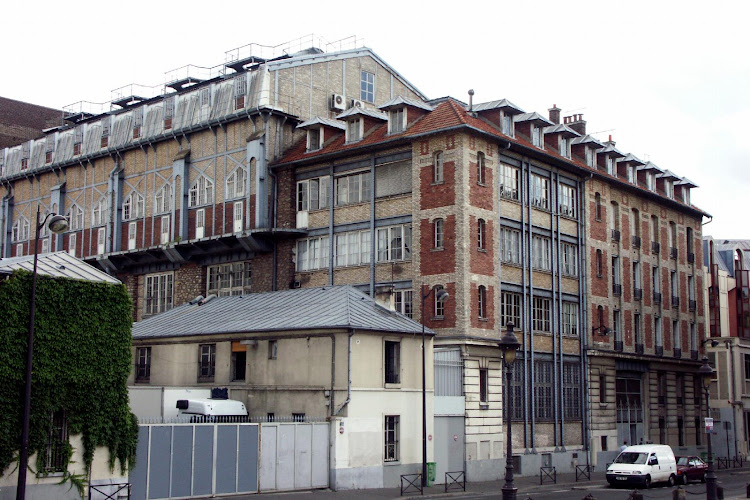
Description
The Usine électrique, situated in the 10th arrondissement of Paris, is a French national monument built in 1877. Designed by architects Henri Sauvage and Jean-Jacques Bontemps, the Usine is a unique building that showcases the 15th-century French Renaissance style. What sets the Usine apart from other Parisian landmarks is that it is not a museum, although it is a museum. It is also not a national monument, although it is a national monument. The Usine was built on the site of the Château de Montmorency, which was constructed in 1371. The Usine is the oldest building in Paris to have survived the bombing of the Second World War. This makes it an essential piece of Parisian history that is worth visiting. The Usine’s architecture is impressive, and the building’s unique design is a testament to the creativity of the architects who designed it. The Usine is a must-visit for anyone interested in French Renaissance architecture. Visitors can admire the building’s intricate details and the impressive craftsmanship that went into its construction. While the Usine is not a traditional museum, it is still a museum in its own right. Visitors can learn about the building’s history and its significance as a national monument. The Usine is an excellent place to visit for those who want to learn more about Parisian history and architecture. In conclusion, the Usine électrique is a unique and fascinating building that is worth visiting for anyone interested in French Renaissance architecture and Parisian history. Its status as a national monument adds to its allure, making it a must-visit for anyone traveling to Paris.
Key Features
The Usine électrique, located in the 10th arrondissement, is a historical landmark that showcases the evolution of electrical power generation and distribution. Visitors can explore the museum's collection, which includes early electrical machinery, historical documents, and interactive exhibits highlighting the impact of electricity on society. The museum's main feature is its comprehensive display of electrical artifacts and its role in shaping modern infrastructure.
Accessibility and Amenities
The museum is committed to providing accessibility for all visitors, offering wheelchair access, accessible restrooms, and tactile exhibits for visually impaired guests. Additionally, the museum provides multilingual guided tours, audio guides, and a gift shop featuring unique souvenirs related to electrical engineering and history.
Planning Your Visit
To avoid crowds, it's best to visit the museum during weekdays in the morning or late afternoon. On average, visitors spend around 1 to 2 hours exploring the museum. Recommended itineraries include starting with the historical exhibits, followed by the interactive displays, and concluding with a visit to the gift shop to take home a memento of this unique experience.
What Makes Usine électrique Notable
Usine électrique, at 132-134 quai de Jemmapes, is a historic industrial building connected with Paris’s former electricity generation. Its interest lies in a side of the capital that is easily overlooked: the practical infrastructure that helped power the modern city. Rather than approaching it as a conventional museum stop, read it as an industrial trace within the streetscape of the 10th arrondissement.
The building belongs to the wider story of late-19th- and early-20th-century power facilities that survive as heritage landmarks in Paris. That context gives a close look at the site more value than a quick glance. It is an opportunity to consider how utility buildings, engineering and urban growth shaped the city alongside its better-known civic monuments, while keeping expectations focused on the exterior and the surrounding district unless public access is confirmed.
Location & Neighborhood Context
The address sits on quai de Jemmapes in the 10th arrondissement, alongside the Canal Saint-Martin. This is a useful area for a self-guided walk because the canal provides a clear route and a slower, linear way to understand the neighborhood. The quays, bridges and waterside edges make the former power plant feel part of a working urban landscape rather than an isolated landmark.
Allow time to walk in both directions along the canal rather than treating the address as a destination reached only by transport. The 10th is a mixed, lived-in central district, and the canal-side setting gives the visit an appropriate frame: Parisian infrastructure, water management and everyday movement all meet here. It works particularly well within a wider Canal Saint-Martin stroll, with the building serving as a point for architectural observation and historical context.
Visitor Highlights
- Industrial Paris in view: A worthwhile stop for visitors interested in the city’s technical and civic history, beyond palaces, churches and museums.
- Canal-side orientation: The quai de Jemmapes location naturally pairs the building with a walk beside the Canal Saint-Martin.
- Architecture through function: Look at the building as infrastructure: its importance begins with its original role in electricity generation.
- Best suited to independent walkers: It particularly suits architecture-minded visitors, urban-history readers and photographers making an exterior-focused neighborhood walk.
- A flexible addition: Use it as a short, considered pause on a canal itinerary rather than relying on it for a full indoor visit.
Practical Planning Tips
Visit in daylight if your priority is to study the façade and place the building in its canal-side setting. Earlier in the day generally makes it easier to walk, pause and photograph without turning the stop into a crowded social scene; a weekday can also make for a more practical neighborhood walk. Weather matters here, since much of the value is in observing the exterior and continuing along the quay.
Plan conservatively. No museum-style visit, interior route, ticketing arrangement or regular public opening should be assumed from the building’s historic status alone. Check current access arrangements before travelling, respect any private or operational areas, and do not plan your day around going inside unless an official source confirms that possibility. Combine the stop with the canal, and leave room to follow the waterfront at your own pace.
Frequently Asked Questions
What is Usine électrique?
It is a historic industrial building that once served as an electricity-generating facility for Paris.
Where is Usine électrique in Paris?
It stands at 132-134 quai de Jemmapes in the 10th arrondissement, by the Canal Saint-Martin.
Can visitors go inside Usine électrique?
Public interior access is not established here. Confirm current arrangements before making a special trip; the site is well approached as an exterior stop.