
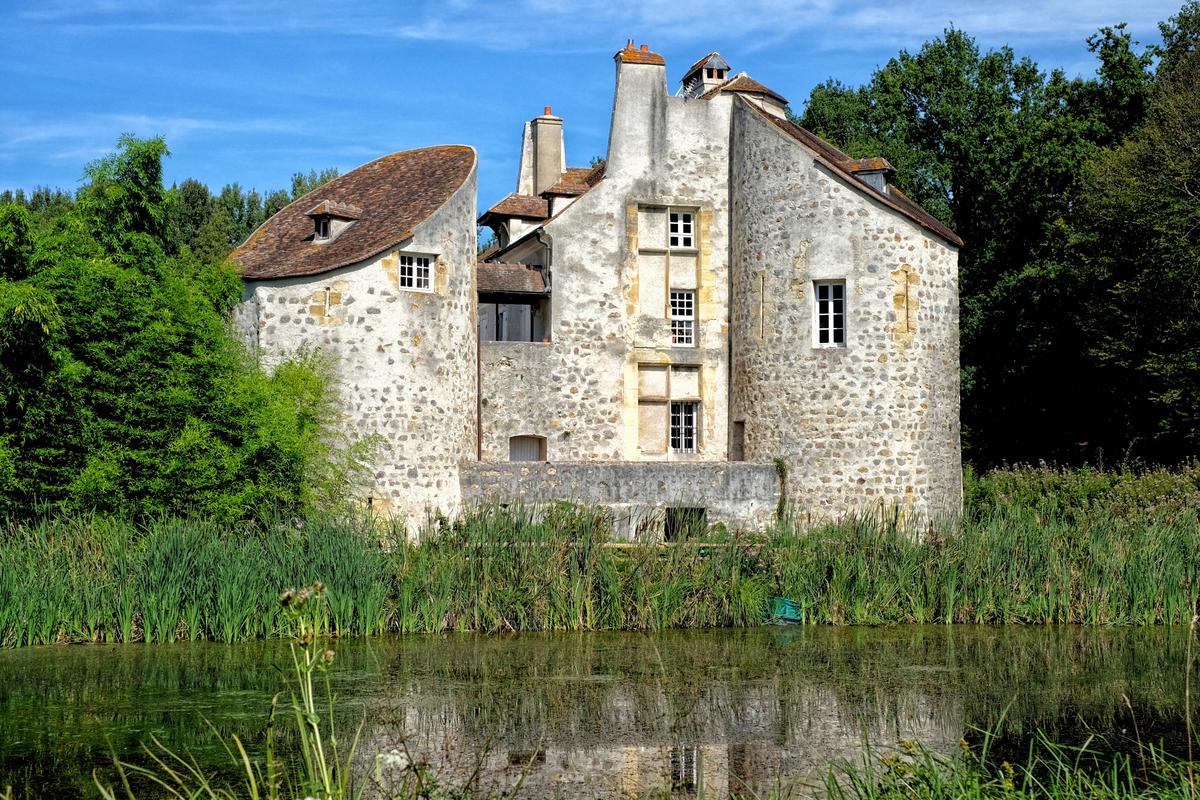
Description
The Musée de Livry-Gargan – Château de la Forêt is a local museum located in Seine-Saint-Denis, one of the most important museums in France. Established in 1840, the museum boasts the largest collection of European paintings in the world. The Impressionist collection is particularly noteworthy, featuring works by Monet, Degas, Manet, Renoir, Toulouse-Lautrec, Van Gogh, Pissarro, Cézanne, Sisley, and Puy-Du-Cote. This collection is the largest collection of Impressionist paintings in the world. In addition to paintings, the museum is also home to an extensive collection of French and European sculpture. Visitors can admire works by Rodin, Gauguin, Picasso, Matisse, Braque, Dalí, Calder, Brancusi, Van Gogh, Toulouse-Lautrec, Renoir, Sisley, Delacroix, Géricault, Monet, Corot, Renoir, Delacroix, and Manet. If you’re a fan of Impressionist art or European sculpture, the Musée de Livry-Gargan – Château de la Forêt is a must-visit attraction in Paris.
Key Features:
- The museum is home to the largest collection of European paintings in the world, with a particularly noteworthy Impressionist collection featuring works by Monet, Degas, Manet, Renoir, Toulouse-Lautrec, Van Gogh, Pissarro, Cézanne, Sisley, and Puy-Du-Cote. This collection is the largest of its kind in the world.
- Visitors can admire an extensive collection of French and European sculpture, including works by Rodin, Gauguin, Picasso, Matisse, Braque, Dalí, Calder, Brancusi, Van Gogh, Toulouse-Lautrec, Renoir, Sisley, Delacroix, Géricault, Monet, Corot, Renoir, Delacroix, and Manet.
Hours and Admissions:
- Opening Hours: The museum is open from [insert opening hours].
- Admission Fees: [Include details on tickets, any free admission days, or suggested donations.]
Accessibility and Amenities:
- The museum offers accessibility features to accommodate visitors with disabilities.
- Available amenities include restrooms, dining options, and gift shops, as well as unique services such as audio guides and a coat check.
Planning Your Visit:
- The best times to visit are [insert best times], considering popular times and visitor traffic insights.
- Visitors typically spend an average of [insert average time] at the museum, with recommended itineraries highlighting must-see exhibits.
Musée de Livry-Gargan – Château de la Forêt: local heritage in a park setting
The Musée de Livry-Gargan – Château de la Forêt is best approached as a local-heritage stop rather than as one of central Paris’s large national collections. Its interest lies in the Château de la Forêt and its setting within Parc Lefèvre, a municipal landscape that gives a visit a different rhythm from a conventional gallery circuit. The official town heritage page presents the château and park together, making the outdoor setting part of the experience.
This is a good choice for travellers who want to look beyond the familiar museum districts and place a historic building in its local context. Rather than rushing through a long list of rooms, allow time to observe the relationship between the château, its grounds and the wider town. It works especially well for visitors interested in suburban history, civic heritage and an unhurried walk.
Location and neighbourhood context
Livry-Gargan is in Seine-Saint-Denis, to the north-east of Paris. It is a separate commune beyond the capital’s arrondissement boundaries, so plan it as an outward excursion rather than an add-on between central Paris landmarks. The setting feels residential and local, with the château associated with a town-centre park rather than with the dense streets and major visitor flows of inner Paris.
Parc Lefèvre is described by the town as a nine-hectare space for walking and relaxation, giving the site a useful outdoor dimension. The Seine is not the organising feature here; the appeal is a quieter urban edge and the chance to combine heritage viewing with time in greenery. Wear suitable shoes if you intend to explore the park as well as the château.
Visitor highlights
- A château-and-park pairing: the building is experienced alongside Parc Lefèvre, not in isolation.
- Local perspective: the site suits travellers looking for municipal history and heritage beyond Paris’s headline institutions.
- Room to slow down: the park provides a natural pause before or after viewing the château.
- Useful for repeat visitors: it offers an alternative to a museum day concentrated in central Paris.
- Best for independent explorers: allow extra time for the journey and treat the visit as part of discovering Livry-Gargan itself.
Practical planning tips
Check the Ville de Livry-Gargan heritage page before travelling, particularly for current access arrangements, any public programming and whether the interior is open on your chosen date. Do not assume that a historic building operates like a large daily museum: local heritage sites can have limited or event-led visiting opportunities. If a guided visit or activity is listed, reserve or contact the organiser in advance where that option is offered.
For the most relaxed experience, plan the park walk earlier in the day and leave flexibility for transport. A visit can be short if your focus is the setting, but give yourself longer if you want to read local-history material and spend time outdoors. Bring water in warm weather, and keep a weather-aware alternative plan: the park is central to the visit’s character.
Frequently asked questions
Is the Château de la Forêt in central Paris?
No. It is in Livry-Gargan, in Seine-Saint-Denis, north-east of Paris, and is best planned as a separate local outing.
What is Parc Lefèvre?
Parc Lefèvre is the park associated with the Château de la Forêt. The town describes it as a nine-hectare area for walking and relaxation.
Should I check opening information before I go?
Yes. Confirm current access and any scheduled visits through the Ville de Livry-Gargan’s official heritage information before leaving.