
Description
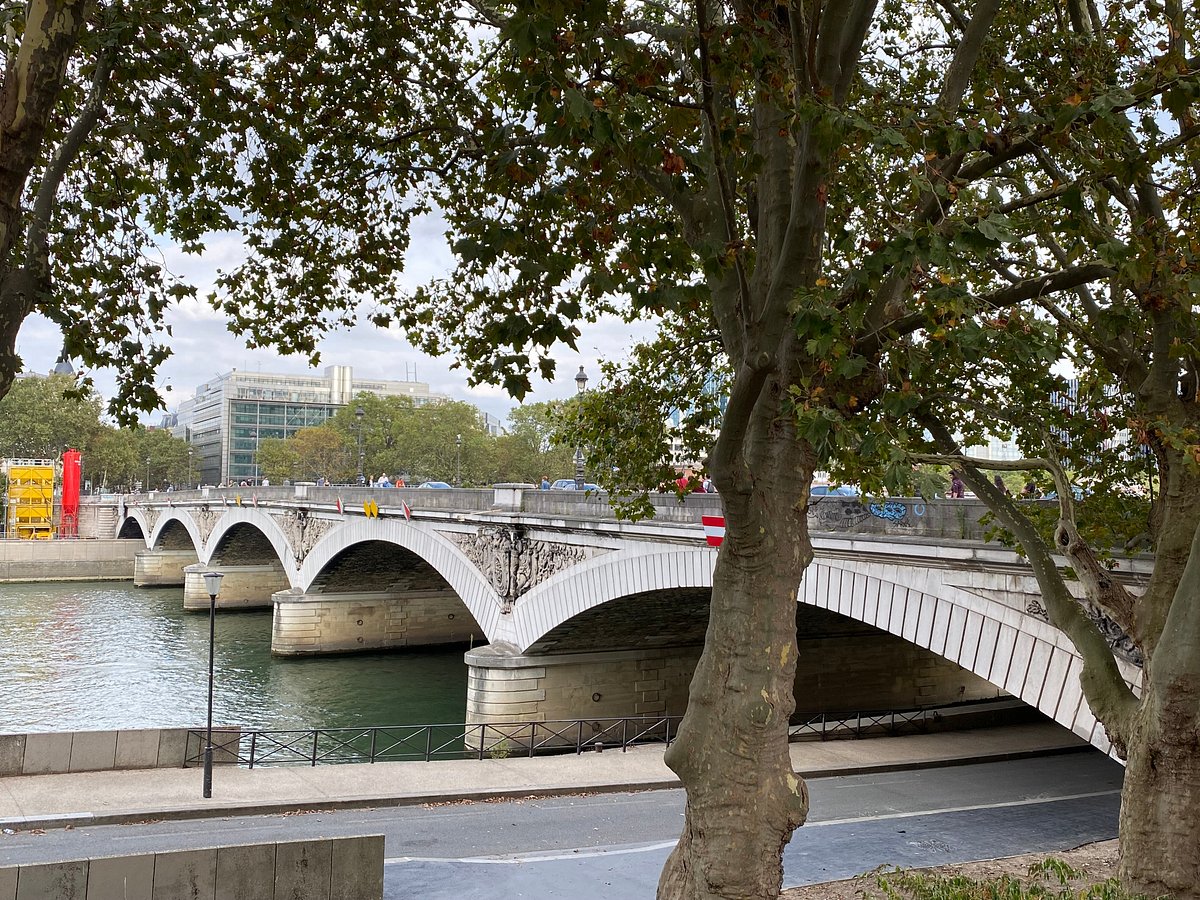
The Pont d’Austerlitz is the perfect Parisian experience for those looking to soak up the city’s romantic charm. This stunning bridge, spanning the Seine River, offers breathtaking views of the city’s iconic architecture. Visitors can stroll along the bridge, taking in the sights and sounds of the bustling city below.
With its ornate details and picturesque setting, the Pont d’Austerlitz is a must-see destination for any traveler to experience Paris’s magic. Don’t miss the chance to capture stunning photos of the city’s skyline and immerse yourself in the rich history and culture of this vibrant metropolis.
Photo Gallery
[su_content_slider style=”dark” autoplay=”0″] [su_content_slide]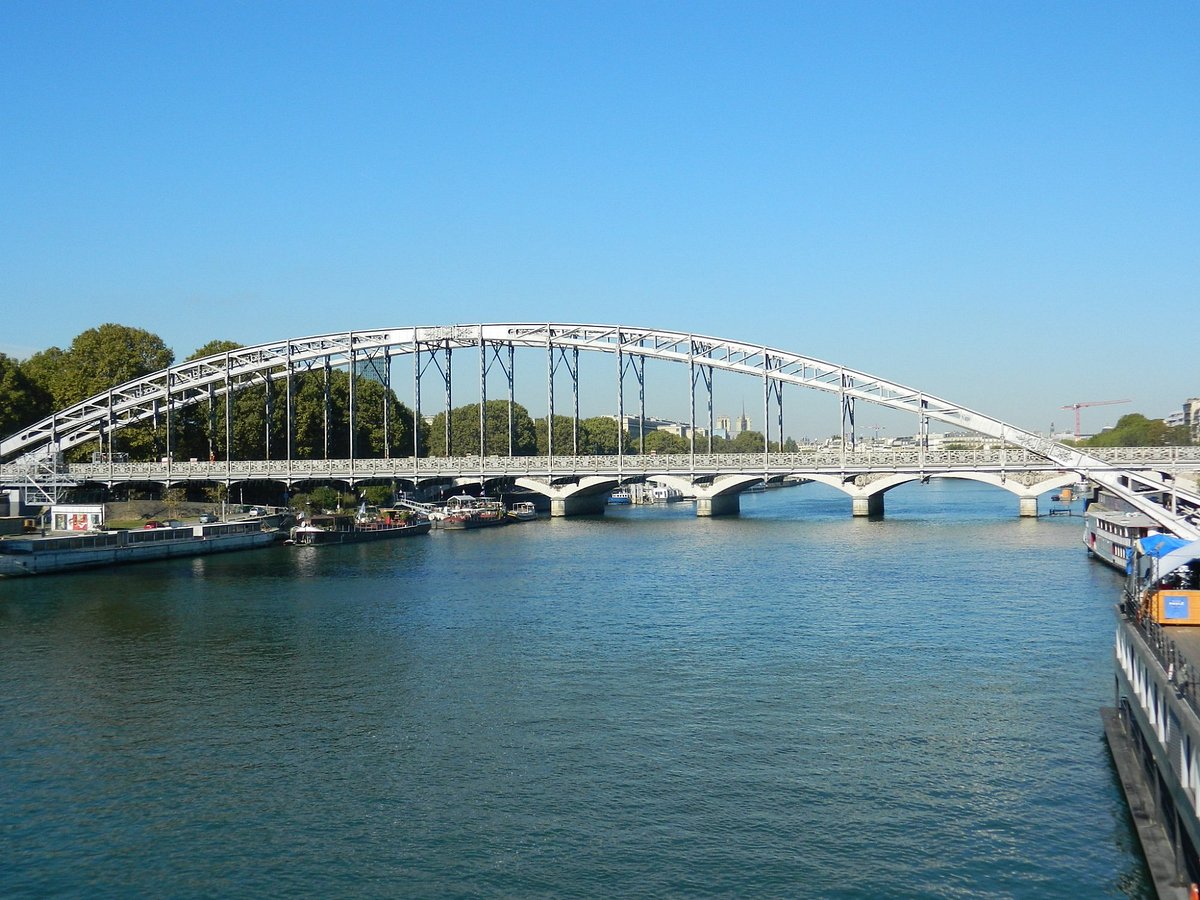 [/su_content_slide]
[su_content_slide]
 [/su_content_slide]
[su_content_slide]
 [/su_content_slide]
[/su_content_slider]
Top-Rated Tours in Paris
The Pont d’Austerlitz is a picturesque bridge spanning the Seine River in Paris, France. Named after the Battle of Austerlitz in 1805, this iconic structure connects the neighborhood near the Gare d’Lyon with the Gare d’Austerlitz.
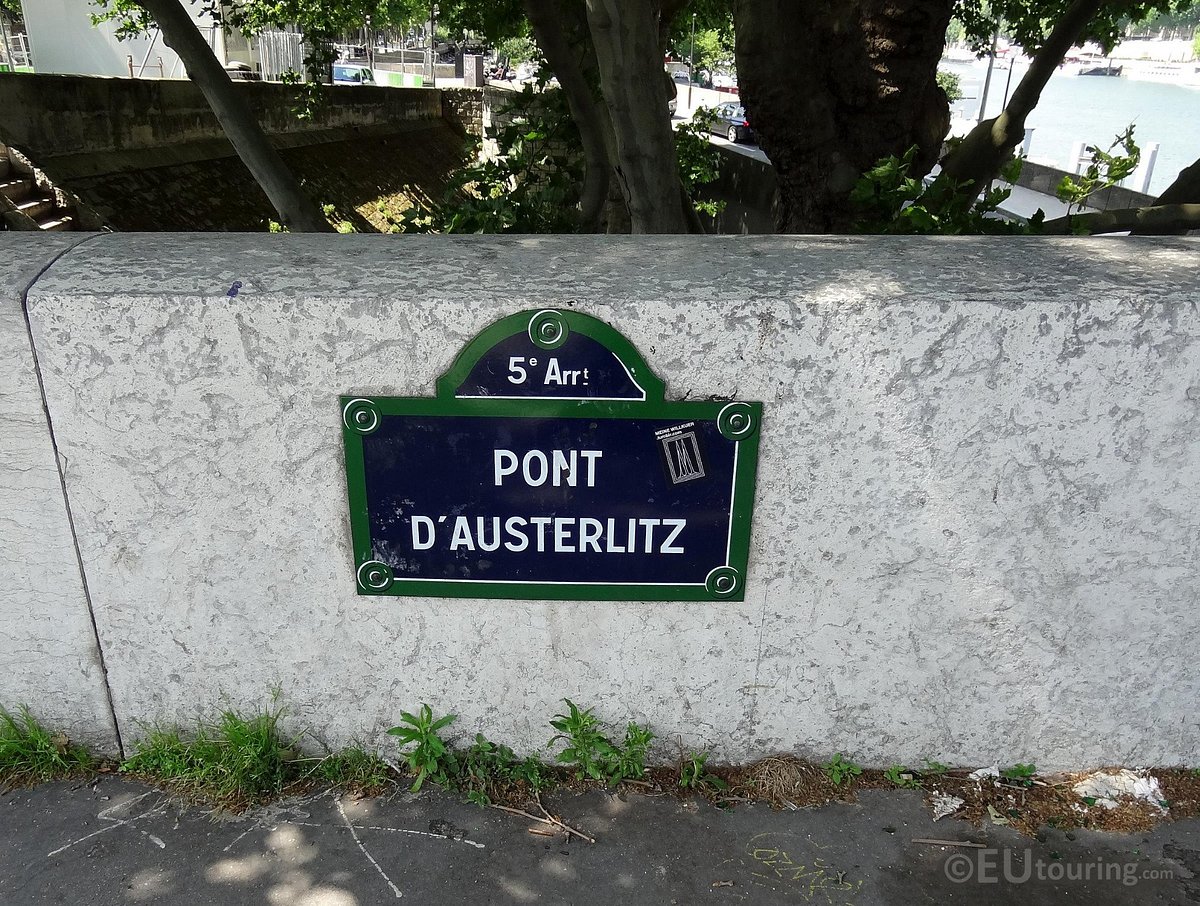
While the bridge sees a lot of traffic, it’s still possible to walk across and enjoy the views of the Seine and surrounding areas. The original bridge was constructed during the reign of Napoleon Bonaparte, but has since been replaced, altered, and widened over time to create the Pont d’Austerlitz we see today.
Nearby, you’ll find the Le viaduc d’Austerlitz, a steel arch bridge used exclusively for rail traffic. This viaduct is situated close to the Pont d’Austerlitz, adding to the architectural intrigue of the area.
For those interested in exploring the history of Paris, a visit to the Place de la Bastille is a must. This vibrant area is home to numerous churches and offers a variety of local tours that provide insight into the city’s rich past.
What Makes Pont d’Austerlitz Notable
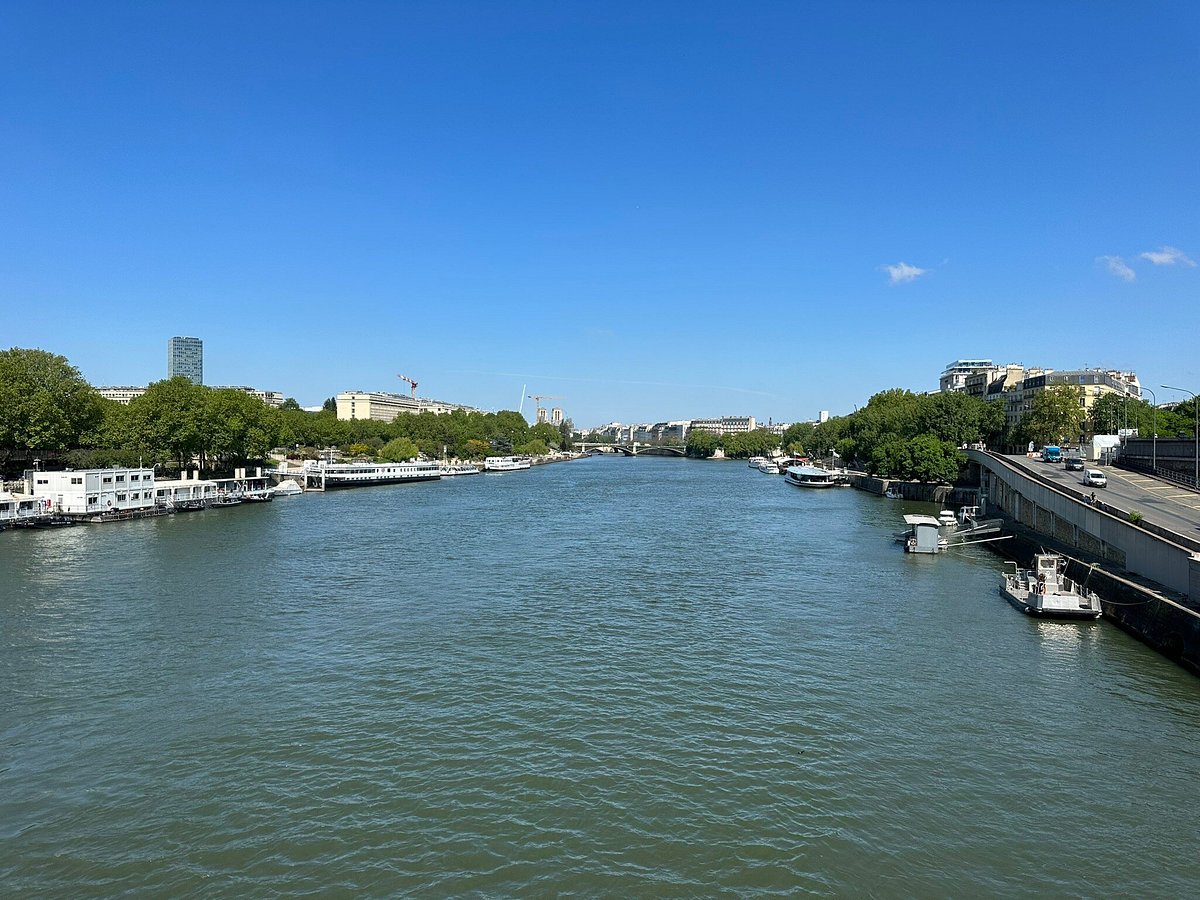
Pont d’Austerlitz is a working Seine crossing that rewards travellers who enjoy seeing Paris as a lived-in city rather than as a sequence of enclosed sights. From its pedestrian route, the river becomes the main subject: passing boats, changing light on the water and long urban views give the crossing a distinctly Parisian sense of movement. It is an easy addition to a day of walking, rather than a destination that demands a long separate visit.
The bridge’s appeal lies in its open outlook and in the experience of pausing above the Seine. Look beyond the traffic and allow time to take in the structure itself, the riverbanks and the layers of architecture on either side. It works especially well for visitors seeking an unstructured, no-ticket moment between larger plans, with opportunities for photographs that feel connected to the city rather than staged around a single landmark.
Location & Neighborhood Context
Pont d’Austerlitz links the two sides of the Seine in an active, transport-focused part of Paris. The setting feels more everyday and infrastructural than the formal riverfronts near the city’s grandest monuments, which is precisely part of its character. Pedestrians share the area with regular road traffic, rail infrastructure and people moving between nearby stations and neighbourhood streets.
Use the bridge as a connector rather than treating it as an isolated stop. The Left Bank side makes a natural continuation toward the Jardin des Plantes area, while the opposite bank leads toward the streets around Gare de Lyon and onward to the Bastille district. The nearby Viaduc d’Austerlitz adds a contrasting rail bridge to the river view, giving architecture-minded walkers a useful point of comparison. Keep to the pedestrian pavement and build the crossing into a wider riverside walk.
Visitor Highlights
- A direct, on-foot encounter with the Seine and its changing activity.
- Open views that suit wide cityscape photographs as well as close studies of bridge details.
- A practical link between two different riverbank walks, without needing to retrace your route.
- A chance to see road and rail infrastructure side by side near the Viaduc d’Austerlitz.
- A good fit for independent walkers, photographers and visitors who prefer everyday Paris scenes to a formal attraction visit.
- Less suitable as a long stop for travellers seeking quiet, since this is an active urban crossing.
Practical Planning Tips
Visit in the morning for a calmer start to a walking itinerary, or later in the day when lower light can add depth to river photographs. Conditions change quickly with weather and traffic, so leave room to slow down rather than planning a tightly timed crossing. If photography matters, walk across in both directions: the views and the bridge’s visual relationship with the river shift as you change bank.
No elaborate visit plan is necessary, but sensible city-walking habits matter. Stay aware of cyclists, vehicles and other pedestrians, especially when stopping for pictures. Pair the bridge with a park, station-area exploration or a longer Seine walk, and check current local conditions before setting out if you are relying on a particular riverside route.
Frequently Asked Questions
Is Pont d’Austerlitz worth visiting?
It is worthwhile for its Seine views and as part of a self-guided walk. It is best approached as a short, atmospheric stop rather than a standalone excursion.
Can you walk across Pont d’Austerlitz?
Yes. Pedestrian access makes it possible to cross the Seine while taking in the river and surrounding cityscape.
What should I combine with Pont d’Austerlitz?
Combine it with a riverside walk, the nearby Viaduc d’Austerlitz, the Jardin des Plantes area or an onward walk toward Bastille.