
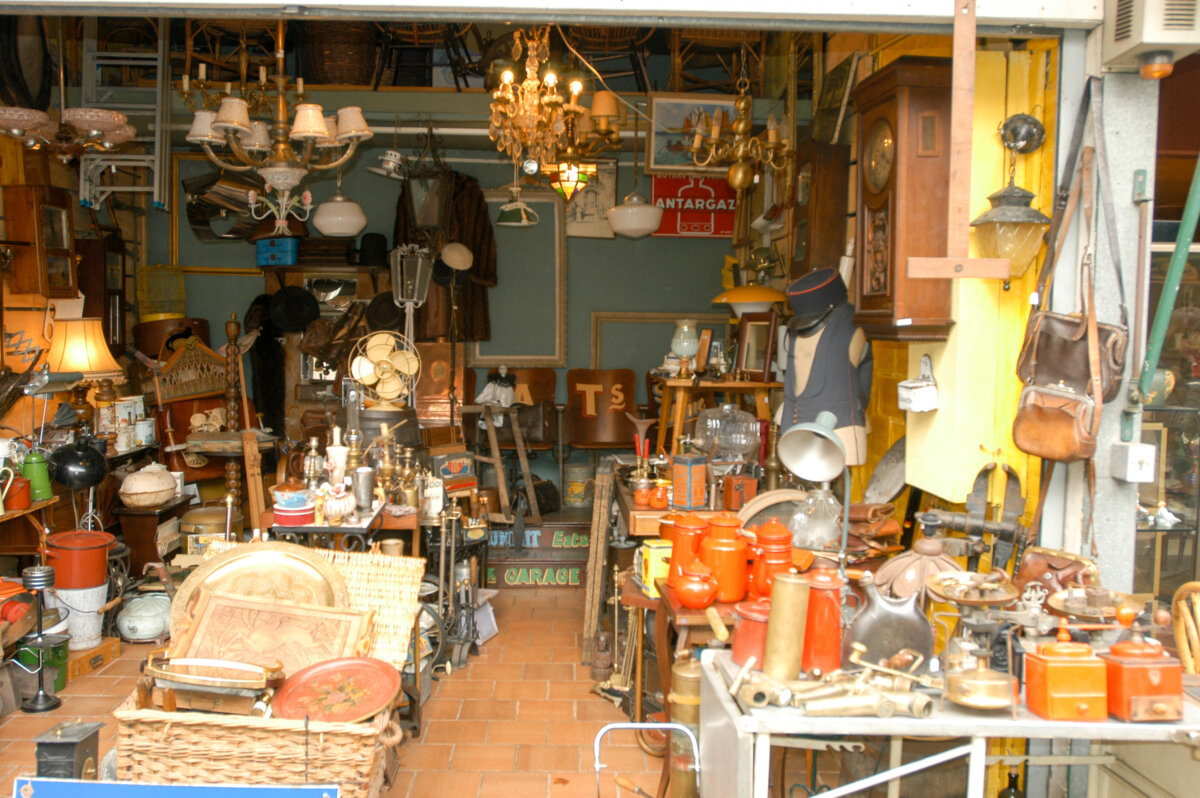
Hey there, fellow treasure hunters! 🌟So, you’re on the hunt for some unique finds and hidden gems? Well, you’ve come to the right place!
Flea markets and brocantes are the perfect spots to spend a lazy weekend. Not only can you find amazing vintage items and quirky knick-knacks, but there’s also something super satisfying about the thrill of the hunt! Today, I’m sharing a few local spots you might want to check out:
1. Greenwood Flea Market
Open every Saturday and Sunday, this vibrant flea market boasts over 100 vendors. From vintage clothing to handmade crafts, you’ll find a bit of everything. Bring cash, haggling is part of the fun!
2. Old Town Brocante
If you’re into antiques, you can’t miss the Old Town Brocante. Open every first Sunday of the month, this market is filled with lovely furniture, art pieces, and other collectibles that have stories to tell. Just be sure to arrive early for the best selection!
3. Lincoln Vintage Market
This one is a must for the retro lovers out there! With live music and food stalls, it’s more than just a shopping trip; it’s a mini experience. Open every Saturday, you can spend hours rummaging through vintage vinyl, quirky fashion, and unique home decor.
4. Riverside Arts and Flea
Held on the last Saturday of each month, this market brings together local artists and vintage sellers. You’ll find everything from handmade jewelry to mid-century furniture. Plus, the riverside location makes it a perfect day out!
5. Farmers’ Flea Fest
If you prefer to combine your flea market visit with some fresh produce, the Farmers’ Flea Fest is ideal! Open every Sunday, this market offers a variety of goods, including local veggies, artisanal snacks, and some artisan arts and crafts.
Now that you know where to go, grab your tote bags and some friends, and set out for a day filled with exploration! Remember, the excitement is in the hunt, so keep an open mind and you might just stumble across something special.
Happy hunting, and who knows, you might even make some new memories along the way! 🎉Cheers to discovering treasures!
Paris flea-market hunting is less a single shopping trip than a choice of atmosphere. In the north, the vast marché aux puces tradition around Saint-Ouen feels like a small city of specialists: antique dealers, design galleries, fashion rails and decorative objects sit in distinct market streets. Elsewhere, temporary vide-greniers and brocantes bring a more local rhythm to squares, boulevards and neighbourhood streets, often mixing household clear-outs with serious finds.
What makes the Paris scene rewarding is its range. You might spend one hour studying Art Deco lighting and the next sorting through postcards, kitchenware, linen or old magazines. The best visits balance purpose with patience: arrive with a few ideas, but leave room for the object that was not on your list. Parisian markets are also places to observe the city’s taste for restoration, reuse and objects with a visible past.
Key Highlights & What to Expect
Think of “flea market” as an umbrella term rather than a guarantee of bargain-basement prices. Established antique markets can be highly curated, while neighbourhood sales are more unpredictable and informal. A little preparation helps, but the pleasure lies in browsing slowly and asking good questions.
- Specialist stalls and broad browsing: Major Paris markets can cover furniture, prints, mirrors, tableware, books, jewellery, vintage clothing and industrial design, with very different levels of expertise and condition.
- A collector’s eye is useful: Look for maker’s marks, signatures, dimensions, repairs and provenance where relevant. Age alone does not establish quality, and a convincing story is not the same as documentation.
- Conversation is part of the process: Dealers often know an object’s period, materials and restoration history. Ask politely and specifically, especially before discussing a discount.
- Condition matters more than the first impression: Check drawers, joins, frames, upholstery, electrical fittings and any fragile edges. Restoration can be worthwhile, but should be factored into the decision.
- Compact finds travel best: Prints, ceramics, textiles and small decorative pieces are easier to carry than furniture. For larger purchases, clarify collection or delivery arrangements directly with the seller before committing.
Practical Planning Snapshot
Planning Factor | What to Expect | Local Tip |
|---|---|---|
Best Time / Timing | Morning generally offers the calmest browsing and the fullest selection; later hours can feel livelier. | For a focused search, arrive early. For atmosphere and a slower wander, avoid making the first hour your only option. |
Typical Duration | Allow a short visit for one market street, or half a day for larger antique districts and nearby stops. | Build in time to compare stalls before buying a substantial piece. |
Crowd & Booking Reality | Popular weekends can be busy, while temporary neighbourhood events vary by season and local calendar. | Check current event details before setting out; a market may be occasional rather than a fixed weekly fixture. |
Getting There & Terrain | Markets may involve uneven pavements, narrow aisles, outdoor stands and long stretches on foot. | Wear comfortable shoes and bring a hands-free bag; leave space for wrapping and small purchases. |
Ideal Pairing Nearby | A market visit pairs naturally with a café break, bakery stop or an unhurried walk through its surrounding quarter. | Keep lunch flexible: the most interesting browsing often takes longer than expected. |
Who It Suits Best & Honest Trade-Offs
Paris flea markets suit design-minded travellers, vintage-fashion fans, collectors and anyone who prefers a souvenir with character over a standard shop purchase. They are also enjoyable for families and casual browsers when treated as a walk rather than a mission. The trade-off is uncertainty: you may find nothing, prices can be higher than expected in curated areas, and assessing authenticity takes experience. Do not expect every stall to bargain, nor every object to be ready for a suitcase. Set a comfortable budget, photograph details if you need time to decide, and buy only when the condition, scale and story genuinely work for you. That measured approach makes the eventual find feel far more satisfying.
Find Things to Do in Paris
Find Accommodation

Continue Planning Your Paris Trip
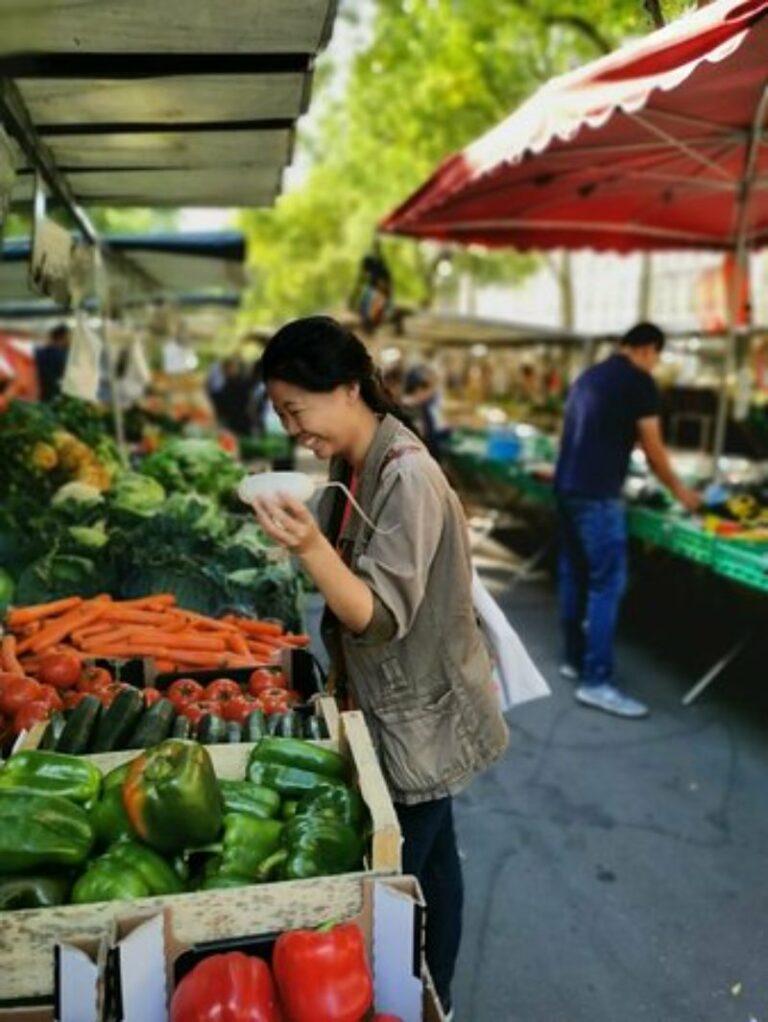
5 Best Farmers Markets in Paris: A Comprehensive Guide
From Bastille to Marché des Enfants Rouges, Paris's farmers markets are where the fresh produce, artisanal goods, and…
Read Guide →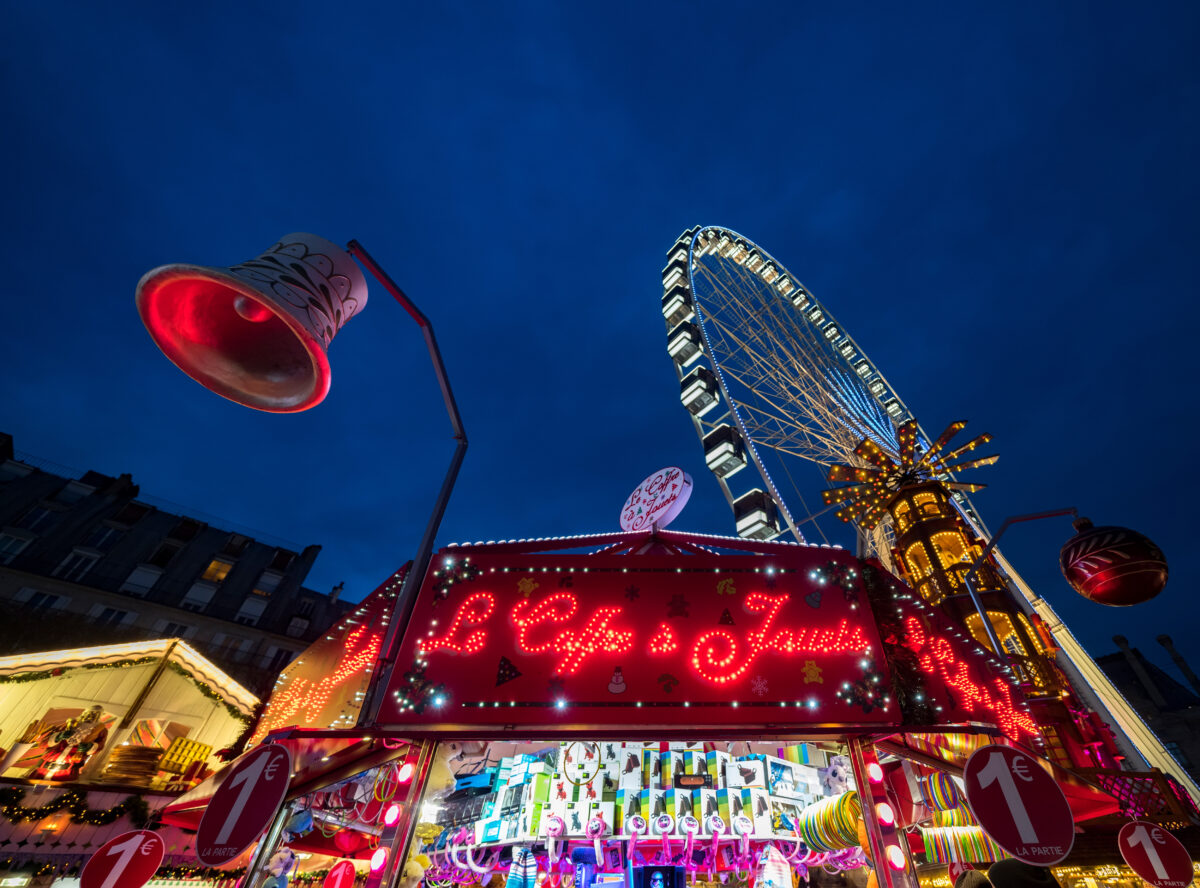
9 Best Christmas Markets in Paris
Nine Paris Christmas markets to wander, from twinkling chalet stalls to mulled wine and Alsace-rooted traditions. Where to…
Read Guide →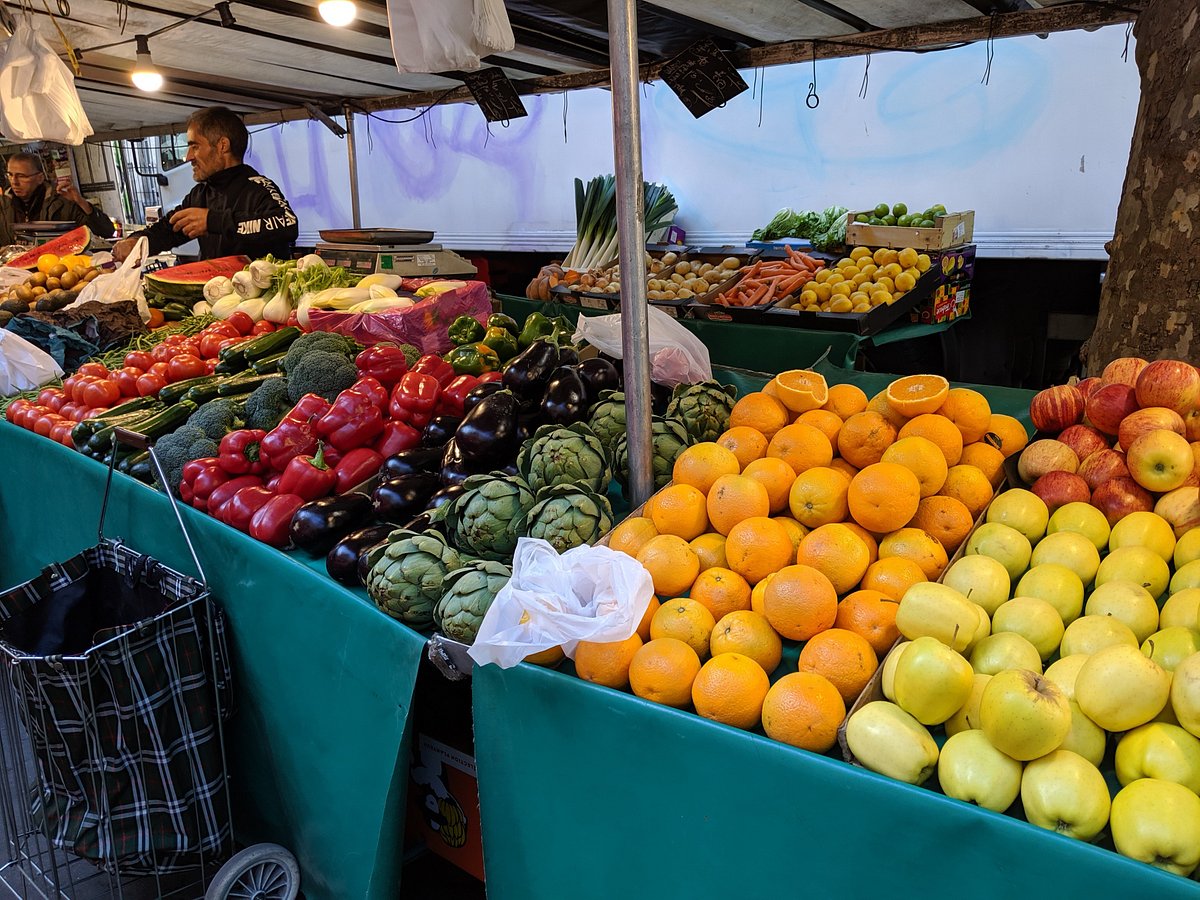
Gourmet Food Markets in Paris: A Culinary Adventure
Paris food markets are cultural experiences in themselves. Start at Marche des Enfants Rouges, the city's oldest covered…
Read Guide →