
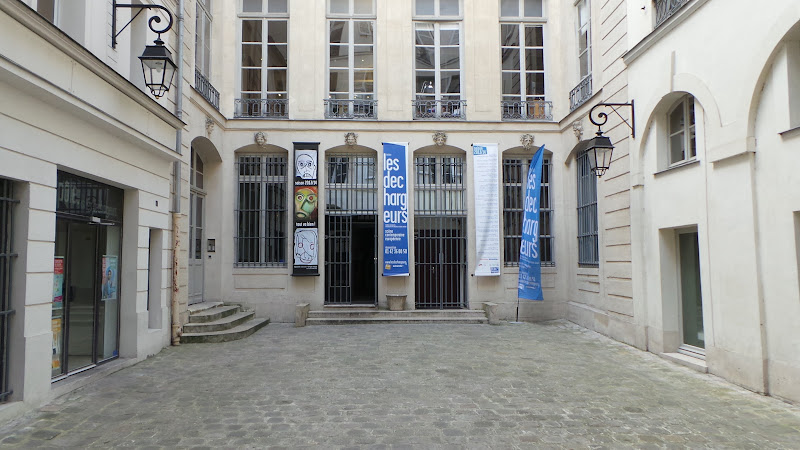
Description
The Hôtel d’Arvers is a luxury hotel located in the heart of Paris, in the 4th arrondissement. This historic hotel has been in the same family for over 100 years and is one of the most well-known hotels in the world. The Hôtel d’Arvers is renowned for its impeccable service and luxurious rooms, making it a popular choice for travelers seeking a truly exceptional experience. The hotel’s location on the banks of the Seine River provides stunning views of the water and the surrounding architecture. The building itself is a work of art, with intricate details and elegant design elements that transport guests to a bygone era of opulence and refinement. Inside, the Hôtel d’Arvers boasts a range of amenities designed to cater to the needs of its discerning clientele. From the plush bedding and high-end toiletries in each room to the on-site fitness center and gourmet restaurant, guests are treated to an unforgettable experience from start to finish. Whether you are in Paris for business or pleasure, the Hôtel d’Arvers is the perfect choice for those seeking a luxurious and unforgettable stay in one of the world’s most beautiful cities. With its rich history, stunning views, and unparalleled service, this iconic hotel is sure to exceed your every expectation.
Key Features
- The Hôtel d'Arvers, located in the 4th arrondissement, is renowned for its unique architectural features and historical significance.
- Visitors can explore the museum's rich history and notable facts, making it a must-see destination for history enthusiasts and architecture aficionados.
Accessibility and Amenities
- The museum is equipped with accessibility features to accommodate visitors with disabilities, ensuring an inclusive experience for all guests.
- Amenities include restrooms, dining options, and a gift shop, providing visitors with essential facilities and opportunities for souvenir shopping. Additionally, audio guides are available to enhance the visitor experience.
Planning Your Visit
- To avoid crowds, it's advisable to visit the museum during non-peak hours, typically early mornings or late afternoons.
- On average, visitors spend approximately 1-2 hours exploring the museum, allowing ample time to appreciate the exhibits thoroughly. For a comprehensive experience, consider following a recommended itinerary to ensure you don't miss any highlights.
What Makes Hôtel d’Arvers Notable
Hôtel d’Arvers is a historic private mansion at 12 quai d’Orléans in Paris’s 4th arrondissement. Its interest lies in the Parisian hôtel particulier: a substantial urban residence created for a noble household, rather than a hotel in the modern accommodation sense. The building is associated with the Arvers family and represents the elegant private residences built in Paris during the 17th century.
This is an address to read through its setting and architectural character. On the Île Saint-Louis, the quayside streets retain a notably residential, composed atmosphere, and historic façades form part of the experience. Hôtel d’Arvers rewards visitors who enjoy tracing how aristocratic domestic architecture shaped old Paris: proportion, stonework, street frontage and the relationship between a grand house and the river-facing quay all matter more here than a conventional monument circuit.
Location and Neighborhood Context
The address stands on quai d’Orléans, on the northern side of the Île Saint-Louis. This is a particularly useful place to slow down between the central islands and the surrounding historic quarters. The Seine runs immediately alongside the quay, while the island’s compact streets lead towards other river views, small-scale residential architecture and bridges connecting to the rest of central Paris.
The 4th arrondissement combines major landmark territory with quieter pockets, and the island offers a calmer counterpoint to the busier streets around Notre-Dame and the Marais. Build Hôtel d’Arvers into a walk rather than treating it as a stand-alone destination. The riverbank perspective is especially helpful for appreciating why a quay address carried status and how the mansion belongs to the urban fabric of the island.
Visitor Highlights
- A 17th-century Parisian residence: a chance to identify the architectural tradition of the noble private mansion in its original city setting.
- Quai d’Orléans setting: the address places the building directly within the distinctive riverside streetscape of the Île Saint-Louis.
- Context over spectacle: best for architecture-minded walkers, history readers and photographers interested in façades and urban composition.
- An easy addition to an island walk: it fits naturally into an unhurried route along the Seine and through the 4th arrondissement.
Practical Planning Tips
Plan to see Hôtel d’Arvers from the public street unless you have independently confirmed access for a particular occasion. Historic private residences are not automatically open as museums, so do not assume interior visits, tours or facilities are available. Keep your stop flexible and let the exterior, the quay and the surrounding streets provide the focus.
Morning is a sensible time for a quieter architectural walk, while later daylight can be useful for observing the river-facing setting. Allow time to wander rather than scheduling the address as a timed attraction. Comfortable shoes suit the island’s pavement and a route that continues across a bridge or along the quays. Before making a special journey, check current access arrangements through an appropriate official source.
Frequently Asked Questions
Is Hôtel d’Arvers a hotel where visitors can stay?
No accommodation information is established here. In this context, “hôtel” refers to a historic private mansion, not necessarily a lodging property.
Where is Hôtel d’Arvers?
It is at 12 quai d’Orléans, in Paris’s 4th arrondissement, on the Île Saint-Louis beside the Seine.
Can visitors go inside?
Do not presume public interior access. It is best approached as an exterior architectural stop unless access is confirmed in advance.