
Description
Hôtel Le Tellier, located in the 2nd arrondissement of Paris, is a luxurious 5-star hotel that offers an exceptional experience in the heart of the city. This hotel is situated in a prime location, only a few minutes walk from some of the most famous landmarks such as the Eiffel Tower, the Louvre, the Arc de Triomphe, and the Champs Elysées. The hotel’s beautiful architecture and interior design are reminiscent of the classic Parisian style, with a modern twist. The rooms are spacious, elegantly decorated, and equipped with all the amenities that a guest could need, including air conditioning, a flat-screen TV, and a minibar. The hotel also offers a 24-hour front desk, room service, and free Wi-Fi throughout the property. One of the main draws of Hôtel Le Tellier is its proximity to some of the city’s most beautiful parks, such as the Jardin des Tuileries and the Jardin des Plantes. These green spaces offer a peaceful escape from the hustle and bustle of the city and are perfect for a leisurely stroll or a picnic. Overall, Hôtel Le Tellier is a fantastic choice for those looking for a luxurious and convenient stay in the heart of Paris. Its prime location, elegant design, and exceptional service make it a top pick for travelers who want to experience the best that Paris has to offer.
Key Features:
- Hôtel Le Tellier offers a rich historical experience, with its origins dating back to a significant period in Parisian history.
- The monument boasts unique architectural features that showcase the elegance of its era, making it a must-see for history and architecture enthusiasts.
Accessibility and Amenities:
- The museum is equipped with accessibility features to accommodate visitors with disabilities, ensuring an inclusive experience for all.
- Visitors can enjoy amenities such as restrooms, dining options, and a gift shop, along with unique services like audio guides for a more immersive exploration.
Planning Your Visit:
- The best times to visit Hôtel Le Tellier are during off-peak hours to avoid crowds and fully appreciate the exhibits.
- Visitors typically spend around 1-2 hours exploring the museum, and it is recommended to follow a curated itinerary to ensure a comprehensive experience.
Hôtel Le Tellier: a historic private mansion in central Paris
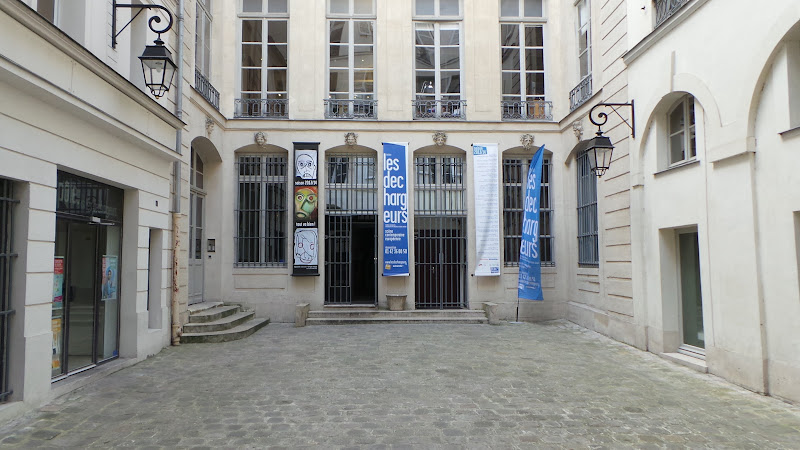
Hôtel Le Tellier is a 17th-century Parisian hôtel particulier, or private mansion, at 5 rue du Mail in the 2nd arrondissement. Despite the name, it should be understood in its historic French sense: this is an aristocratic urban residence, rather than a description of a modern hotel stay. Its connection with the Le Tellier family, prominent statesmen under Louis XIV, gives the address a clear place in the political and social history of early modern Paris.
The building is classified as a Monument Historique, an official recognition of its heritage value. It is most rewarding for travellers who enjoy reading Paris through its older fabric: a street that now belongs to a busy commercial district can still hold traces of the private residences built for powerful families. Consider Hôtel Le Tellier as an architectural and historical point of interest rather than a conventional museum stop.
Location and neighbourhood context
Rue du Mail sits in the 2nd arrondissement on the Right Bank, in a compact central area shaped by commerce, finance and the changing life of Parisian streets. The surroundings make an effective walking district: the Bourse and Sentier areas are nearby, while the lanes around Montorgueil offer a useful contrast between working streets, food shops and pedestrian activity. Place des Victoires and the Palais Royal quarter are also natural directions for a longer walk.
This is not a Seine-front monument, but the central location makes it easy to combine with other Right Bank architecture and the Louvre-side quarter. Give the address a few minutes of attention in the context of rue du Mail itself. The point is less an isolated grand vista than the survival of a 17th-century private mansion within a dense, lived-in part of the city.
Visitor highlights
- Louis XIV-era context: the Le Tellier association connects the building with a family of major statesmen of the period.
- Heritage status: its Monument Historique classification identifies it as a protected element of Paris’s architectural inheritance.
- A useful distinction: it introduces the meaning of hôtel particulier, the French term for a private mansion.
- Ideal for urban-history walks: it suits architecture enthusiasts, history-minded visitors and independent walkers exploring the 2nd arrondissement.
- Easy to pair with central Paris: add it to a route through the Bourse, Sentier, Montorgueil or Palais Royal areas rather than treating it as a full-day destination.
Practical planning tips
Plan a daylight visit if your aim is to appreciate the building’s relationship to the street and surrounding quarter. Morning is often best for a quieter look before the district’s daily pace builds, while late afternoon works well when folded into a wider central-Paris walk. Keep the stop flexible: historic private mansions are not automatically open to visitors simply because they are protected monuments.
Do not assume interior access, guided visits or facilities on site. Check current access arrangements through reliable official channels before making a special journey, especially if an interior visit matters to you. If access is unavailable, the address still works as a concise exterior stop and a prompt to notice the different scales of Parisian architecture beyond the city’s headline landmarks.
Frequently asked questions
Is Hôtel Le Tellier a hotel where visitors can stay?
Here, “hôtel” refers to a historic private mansion. The entry concerns the 17th-century Monument Historique at rue du Mail.
Can visitors go inside Hôtel Le Tellier?
Public interior access is not established by its heritage classification. Confirm current arrangements before planning an interior visit.
What is the best way to include it in a visit?
Use it as part of a self-guided walk through the 2nd arrondissement, alongside the Bourse, Sentier, Montorgueil and Palais Royal areas.