
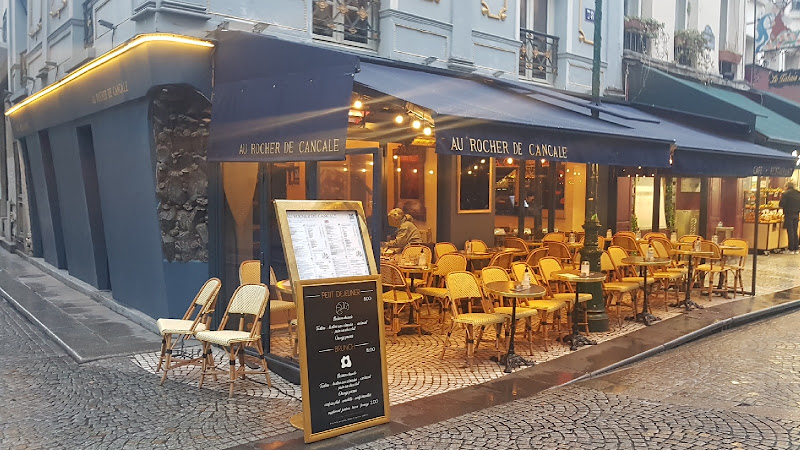
Description
Le Rocher de Cancale, located in the 2nd arrondissement at 78 rue Montorgueil, is a must-see destination for anyone visiting Paris. Built in the 12th century, this monument is considered to be the oldest building in France and holds great historical significance. As you approach the Rocher de Cancale, you’ll immediately be struck by its impressive structure. The building’s façade is adorned with intricate carvings and details that are sure to leave you in awe. Once inside, you’ll be transported back in time as you explore the building’s many rooms and corridors. One of the most fascinating aspects of the Rocher de Cancale is its long and storied history. Over the centuries, the building has served many purposes, from a fortress to a royal residence to a prison. Today, it stands as a testament to the enduring legacy of France’s rich cultural heritage. Whether you’re a history buff or simply looking to immerse yourself in the beauty and grandeur of Paris, the Rocher de Cancale is a destination that should not be missed. So why not take a stroll through this magnificent monument and discover the secrets that have been hidden within its walls for centuries?
Key Features
Le Rocher de Cancale, founded in 1804, is a Parisian institution located at the heart of Rue Montorgueil. The brasserie is classified as a historic monument and is adorned with frescoes executed by Gavarni. Visitors can savor the delicious and hearty dishes from 8 am to 2 am, enjoying breakfast, lunch, and dinner either on the terrace or indoors.
Accessibility and Amenities
The museum offers accessibility features to accommodate visitors with disabilities. Additionally, amenities include restrooms, dining options, and a gift shop. Unique services such as audio guides are available to enhance the visitor experience.
Planning Your Visit
The best times to visit Le Rocher de Cancale are during off-peak hours to avoid crowds. Visitors typically spend 1-2 hours exploring the museum. It is recommended to plan an itinerary that includes time to appreciate the architectural and historical significance of the site while enjoying a meal at the brasserie.
What Makes Le Rocher de Cancale Notable
Le Rocher de Cancale is remembered as one of the celebrated restaurants of early 19th-century Paris. Founded during that period, it became closely associated with oysters and seafood from Cancale, the Breton port whose name it carries. Its importance is therefore gastronomic as much as architectural: this is a historic address that evokes the culture of dining out in Restoration-era Paris.
The site also has a literary reputation, placing it among the addresses that help explain how restaurants became part of Parisian public life. Rather than approaching it as a conventional museum monument with a self-contained visit, regard Le Rocher de Cancale as a surviving point of reference in the city’s food history. The most rewarding experience is to notice how its story connects a specialised seafood tradition, a long-established street and the sociable rhythms of central Paris.
Location and Neighbourhood Context
Le Rocher de Cancale is at 78 rue Montorgueil in the 2nd arrondissement. Rue Montorgueil is one of central Paris’s best-known market streets, with a close-grained mix of food shops, cafés and everyday commerce. It is an especially useful address for visitors who prefer exploring on foot rather than treating every historic stop as an isolated destination.
The 2nd arrondissement has a compact, urban character: narrow streets, active storefronts and a strong connection to the older commercial quarters of the Right Bank. From rue Montorgueil, it is easy to continue through the surrounding central streets and build a walk around food history, shopping and city architecture. The Seine is not the immediate setting here; the appeal lies instead in the texture of a lived-in market quarter and the continuity of a famous dining address within it.
Visitor Highlights
- A landmark of Paris dining history: the address recalls a restaurant celebrated in the early 19th century.
- Seafood heritage: its reputation rests on oysters and seafood, particularly produce associated with Cancale in Brittany.
- Literary and gastronomic interest: it suits readers, food-minded travellers and anyone tracing Restoration-era Paris.
- A strong walking stop: pair it with an unhurried exploration of rue Montorgueil and the 2nd arrondissement’s commercial streets.
- An alternative to grand monuments: this is best for visitors interested in the smaller-scale places where Parisian social history unfolded.
Practical Planning Tips
Come in the morning for a calmer look at the street’s market character, or later in the day if you want to experience its busier food-and-drink atmosphere. Leave time to wander rather than scheduling only a brief stop: the value of this address is closely tied to its setting on rue Montorgueil. If you intend to dine nearby, check current arrangements directly with the establishment before travelling, as restaurant service and reservations can change.
For a focused visit, combine the address with another nearby central-Paris walk and keep expectations appropriate to a historic restaurant site, not a formal monument circuit. Look at the street frontage, absorb the neighbourhood’s commercial life and use the story of Le Rocher de Cancale as a lens for understanding how food, fashion and sociability shaped the city.
Frequently Asked Questions
Where is Le Rocher de Cancale?
It is located at 78 rue Montorgueil in Paris’s 2nd arrondissement.
Why is Le Rocher de Cancale historically important?
It was a celebrated early 19th-century restaurant, known for oysters and seafood from Cancale and for its literary and gastronomic standing in Restoration-era Paris.
Is it best visited as a museum?
No. It is better understood as a historic dining address within a market-street neighbourhood, ideally explored as part of a walk through central Paris.