
Polish architect’s modernist vision for Parisian artists
At 216 boulevard Raspail in the 14th arrondissement, Immeuble Studio Raspail stands as a remarkable testament to international architectural talent and the creative communities that shaped interwar Paris. Built in 1932 by Bruno Elkouken, a Polish architect who arrived in Paris in 1920, this innovative modernist building demonstrates how immigrant architects could contribute to Parisian architectural heritage while creating purpose-built environments that served the city’s thriving artistic community.
Bruno Elkouken’s modernist innovation
Bruno Elkouken’s design revolutionized artist housing through innovative architectural solutions that maximized natural light and creative functionality. The building’s distinctive features include large glass windows arranged in two rectangular bow-windows stretching over six floors, characterized by geometric graphics in their joinery that create the clean lines and abundant illumination essential for artistic work.
Elkouken’s Polish background and international perspective enabled him to bring fresh architectural approaches to Parisian building design, demonstrating how immigrant architects could enrich French architectural culture through innovative solutions that served contemporary needs while respecting urban context.
Integrated cultural programming and cinema innovation
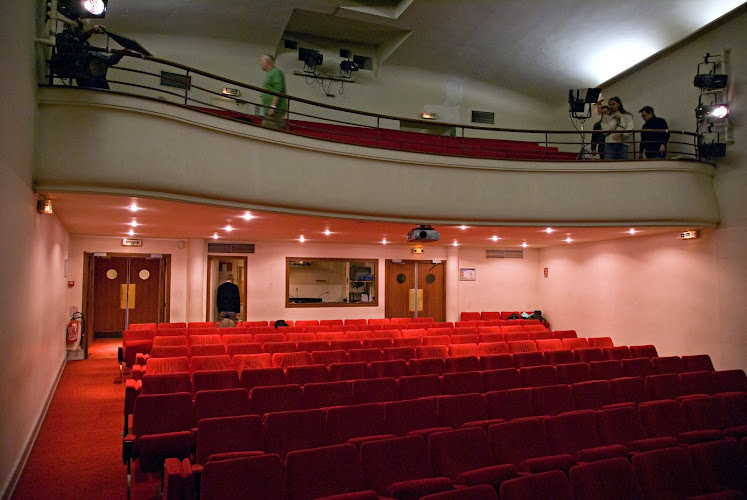
The building’s ground floor cinema, inaugurated in September 1934 with 278 seats, created comprehensive cultural programming that served both residents and neighborhood community. Operating under the names “Raspail 216” and “Studio Raspail” until 1982, the cinema demonstrated how residential buildings could integrate entertainment facilities that enhanced both building value and cultural life.
This integration of artist studios with public cinema created a cultural ecosystem where creative residents could both live and work while contributing to neighborhood entertainment options, proving that modernist architecture could achieve multiple social and cultural purposes through innovative programming and design integration.
Artist community and creative environment
The purpose-built artist studios provided optimal working conditions through carefully designed natural lighting and spatial arrangements that supported various artistic practices. The building’s design acknowledged that creative work required specific architectural solutions that differed from conventional residential or commercial spaces.
The concentration of artists within a single building created community dynamics that fostered artistic exchange and collaboration, demonstrating how thoughtful architectural design could enhance both individual creative work and collective artistic culture through proximity and shared amenities.
Historic monument recognition and architectural legacy
The building’s designation as a historic monument on February 10, 1986, recognizing its façades, roofs, and cinema hall, acknowledges both its architectural innovation and its significance in Parisian cultural history. This protection ensures that future generations can appreciate how 1930s modernist architecture could serve artistic communities while contributing to neighborhood cultural life.
The preservation of both architectural elements and cinema space demonstrates recognition that modernist buildings achieved cultural significance through integrated programming rather than just aesthetic innovation, creating environments that served multiple community functions simultaneously.
Essential information
- Construction: 1932
- Architect: Bruno Elkouken (Polish, in Paris 1920-1937)
- Function: Artist studios with integrated cinema
- Cinema inauguration: September 1934 (278 seats)
- Cinema operation: 1934-1982 (“Raspail 216″/”Studio Raspail”)
- Location: 216 boulevard Raspail, 14th arrondissement
- Heritage status: Historic monument (February 10, 1986)
- Protected elements: Façades, roofs, cinema hall
Architectural and cultural features
- Design innovation: Large glass bow-windows for artist lighting
- Geometric modernism: Clean lines and functional aesthetic
- Cultural integration: Artist studios with public cinema space
- Community service: Neighborhood entertainment programming
- International influence: Polish architectural expertise in Paris
Modernist architecture serving artistic community
Immeuble Studio Raspail embodies the successful integration of modernist architectural innovation with practical artistic needs, where Bruno Elkouken’s Polish architectural expertise created optimal working environments for Parisian artists while contributing innovative cinema programming to neighborhood cultural life. This remarkable building demonstrates how immigrant architects could enrich French architectural heritage through designs that served both individual creative needs and broader community cultural missions. For modernist architecture enthusiasts, artist housing historians, or anyone interested in how architectural innovation supports creative communities, the Studio Raspail offers an inspiring encounter with purposeful design, where international architectural talent met Parisian artistic tradition to create spaces that honored both optimal functionality and modernist aesthetic principles, proving that the finest architectural innovation serves human creativity while enhancing urban cultural life through buildings designed for both individual excellence and community engagement.