
Planning a trip to Paris? Safety is likely on your mind. The good news is that most areas of the French capital are quite safe for tourists. By choosing the right neighborhood to stay in and taking basic precautions, you can enjoy a worry-free visit to the City of Light.
Paris is divided into 20 arrondissements, or districts, each with its own character. Some of the safest and most popular areas for visitors include Le Marais (4th arrondissement), Saint-Germain-des-Prés (6th arrondissement), and the Eiffel Tower area (7th arrondissement). These central neighborhoods offer a mix of charm, culture, and convenience.
While Paris is generally safe, you should still know your surroundings. Avoid walking alone late at night in less populated areas. Keep an eye on your belongings in crowded tourist spots and on public transport. With some common sense, you can focus on enjoying all the amazing sights, food, and experiences Paris offers.
Central Paris Safe Zones
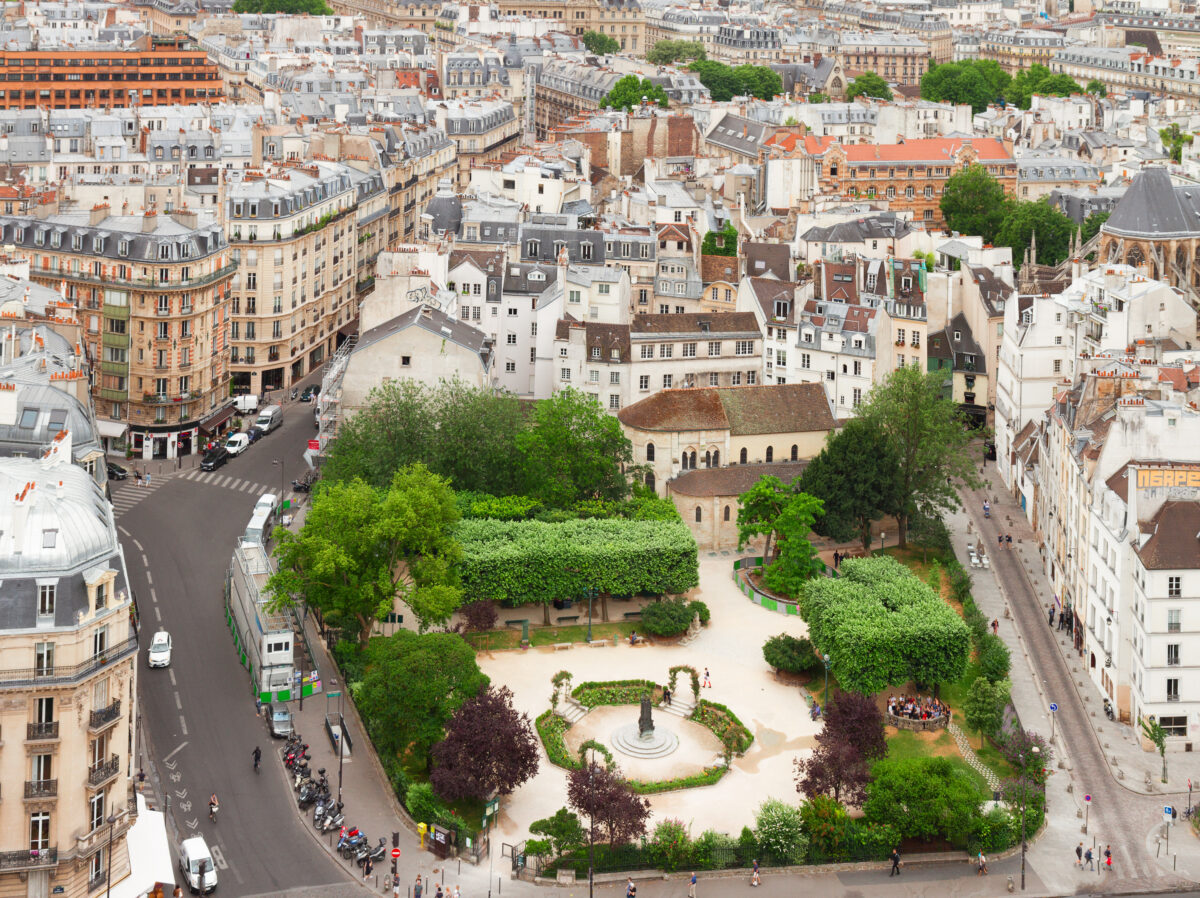
Paris has several central areas that are generally safe for tourists. Le Marais, in the 4th arrondissement, is a great choice. It has captivating avenues, trendy shops, and lots of cafes, and it’s lively during the day and night.
The Latin Quarter is another good option. This historic area has narrow streets and a vibrant student atmosphere. You can explore bookshops and enjoy affordable restaurants.
Saint Germain des Prés is known for its upscale vibe. Its fancy boutiques and famous cafes are here. It’s pretty safe, even after dark.
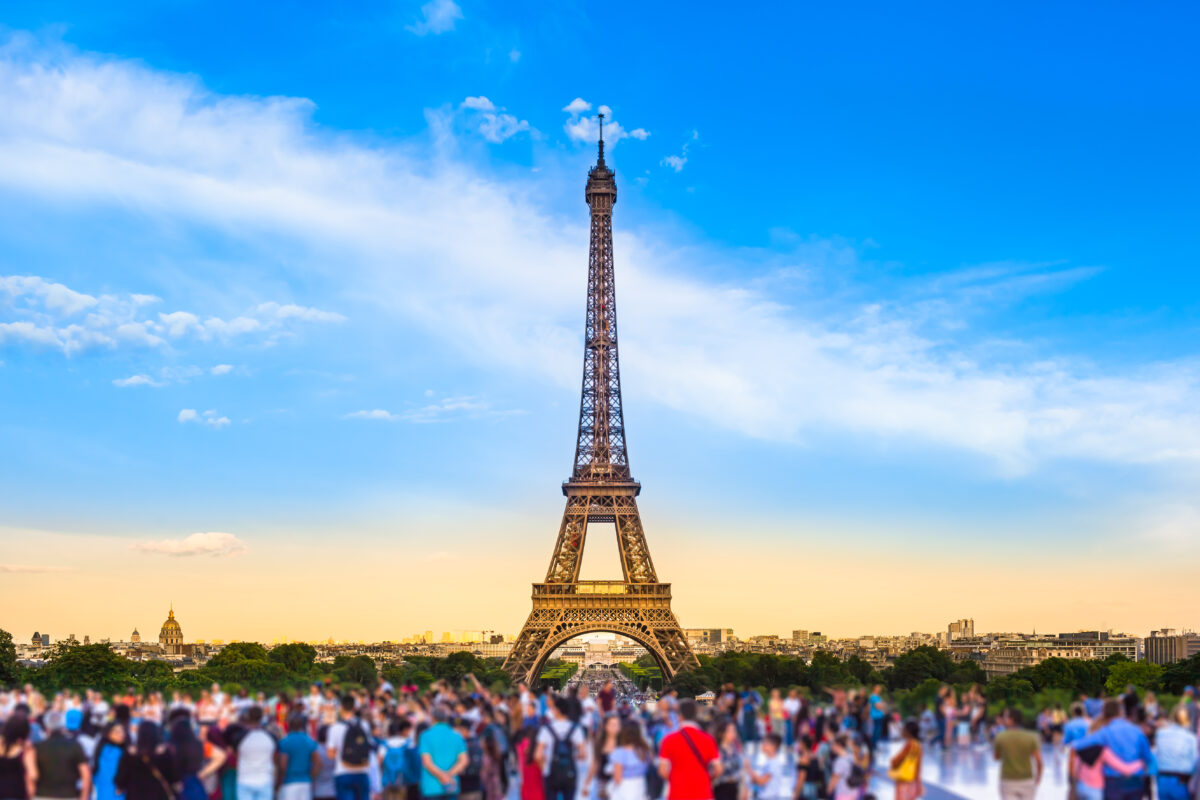
The area around the Eiffel Tower is typically secure. Lots of tourists means more police presence. But watch out for pickpockets in crowded spots.
Here are some safety tips for central Paris:
- Keep your belongings close, especially in busy places
- Be aware of your surroundings at night
- Use official taxis or ride-sharing apps
- Avoid empty streets late at night
- Trust your instincts – if something feels off, leave the area
Remember, no place is 100% safe. But these central zones are generally good bets for a worry-free Paris visit.
See Related: Authentic, Non-Touristy Things to Do in Paris
Risky Areas to Avoid

When exploring Paris, you should be aware of some neighborhoods that require extra caution. The 18th, 19th, and 20th arrondissements have areas to watch out for, especially at night.
On the 18th, parts of Montmartre, away from the tourist spots, can get sketchy after dark. The area around Château Rouge metro station is best avoided late in the evening.
The 19th arrondissement, particularly near Porte de la Villette, can feel unsafe. If you visit the Parc de la Villette after sunset, keep your wits about you.
In the 20th, the zones around Porte de Montreuil and Porte de Bagnolet require vigilance. Stick to well-lit main streets, and don’t flash valuables.
Other spots to be careful:
- Gare du Nord area (10th arr.) – Watch for pickpockets, especially at night
- Châtelet-Les Halles (1st arr.) – Can attract shady characters after dark
- Bois de Boulogne Park – Avoid at night due to illegal activities
Remember, most of Paris is quite safe. Use common sense, stay alert in unfamiliar areas, and you’ll likely have a trouble-free visit.
Nighttime Safety Tips
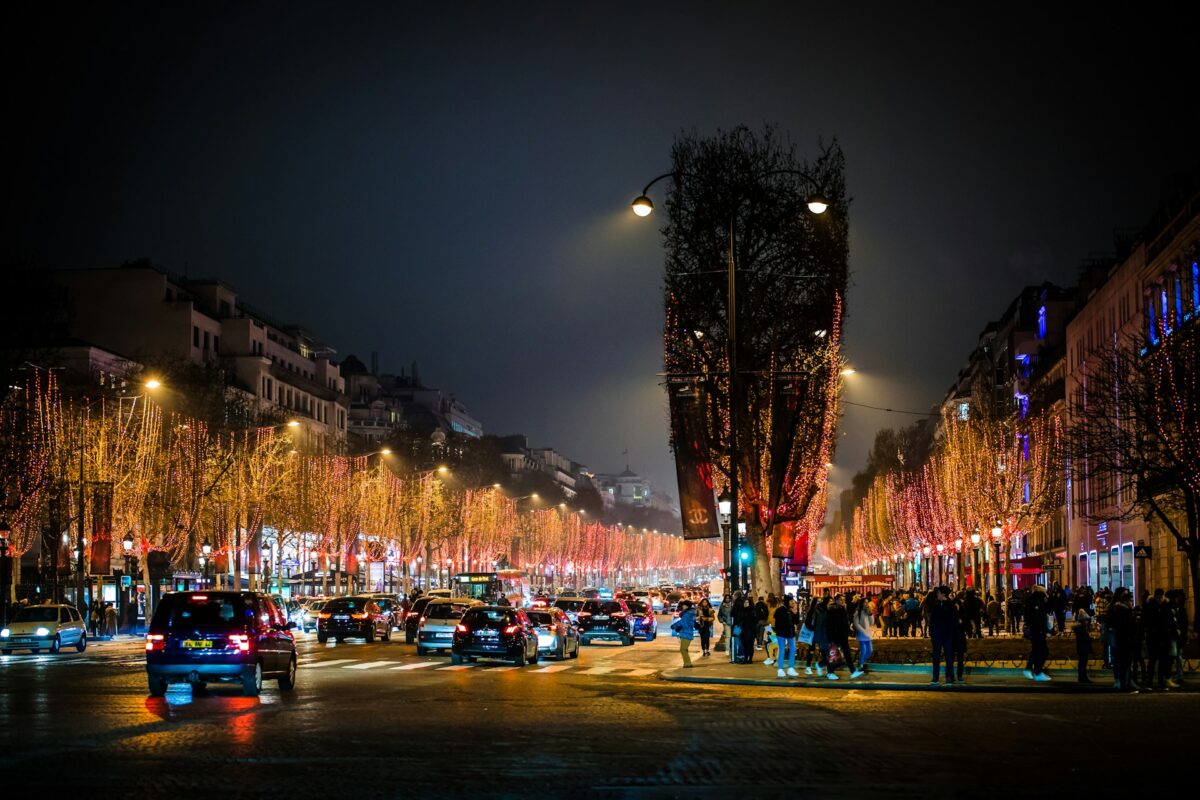
Stay alert when exploring Paris after dark. Stick to well-lit, busy areas and avoid wandering into unfamiliar neighborhoods alone. Trust your instincts – if a situation feels unsafe, leave quickly.
Keep valuables hidden and secure. Pickpockets target distracted tourists, so stay aware of your surroundings. Avoid flashing expensive jewelry or electronics.
Use reputable transportation options at night. The metro runs until about 1:15 am on weekdays and 2:15 am on weekends. After that, take official taxis or rideshares.
Be extra cautious around train stations like Gare du Nord after dark. These areas can attract unsavory characters late at night.
Learn a few key French phrases to ask for help if needed. “Au secours!” means “Help!” and “Appelez la police!” means “Call the police!”
Stay in groups when possible, especially if visiting nightlife areas. There’s safety in numbers when navigating unfamiliar streets at night.
Avoid excessive drinking, which can impair your judgment. Stick to reputable bars and clubs in safer neighborhoods like Le Marais or Saint-Germain-des-Prés.
Have your hotel’s address and phone number written down. This helps if you get lost or need to return a taxi driver to your accommodation.
See Related: Where to Stay in Paris: Top Neighborhoods and Hotels
Emergency Contacts
When visiting Paris, it’s crucial to have important emergency numbers on hand. You never know when you might need help. Here are the key contacts you should save:
• 112 – General European emergency number
• 15 – Medical emergencies/ambulance (SAMU)
• 17 – Police
• 18 – Fire department
For medical help, you can also call SOS Médecins at 01 47 07 77 77. They provide 24/7 house calls.
If you lose your credit card, call 0 892 70 57 05 immediately to report it. Try the lost and found office at 08 21 00 25 25 for lost items.
Got your car towed? Call 08 91 01 22 22 to locate it.
It’s smart to program these numbers into your phone before your trip. You might want to write them down in case your battery dies.
Remember, in an emergency, stay calm and speak slowly. Not everyone will speak English, but they’ll do their best to help you.
See Related: Paris Night Attractions: Top Spots for Memorable Evenings
Staying Alert
When exploring Paris, it’s smart to stay aware of your surroundings. Keep your belongings close, especially in crowded areas like the Metro or popular tourist spots. Pickpockets can be sneaky, so use a cross-body bag or money belt to protect your valuables.
Be cautious when strangers approach you, even if they seem friendly. Some scammers use distraction techniques to steal from unsuspecting tourists. Trust your gut – if something feels off, it probably is.
Stick to well-lit main streets at night and avoid dark alleys or isolated areas. If you’re late, consider taking a taxi or rideshare instead of walking alone.
Here are some quick tips to stay safe:
- Don’t flash expensive jewelry or electronics
- Learn a few basic French phrases to help in emergencies
- Keep emergency numbers handy
- Stay sober and alert, especially at night
- Be extra careful in train stations and tourist hotspots
Remember, most parts of Paris are quite safe. But staying alert will help you avoid potential issues and enjoy your trip worry-free. Use common sense and trust your instincts; you’ll likely enjoy exploring the City of Light.
Find Things to Do in Paris
Find Accommodation

Continue Planning Your Paris Trip
Your Go-To Guide for Local SIM Cards in France: What Tourists Need to Know
Visiting France and want to stay connected without roaming fees? How tourists pick a local SIM card, what…
Read Guide →Paris Fashion Week Travel Guide: Ultimate Insider Tips and Hotspots
You don't need a runway seat to experience Paris Fashion Week. Catch street style, designer boutiques, pop-up installations,…
Read Guide →
Travel Agencies in Paris: 10 Current Agencies and Tour Operators for 2026
Planning a Paris trip and want local expertise? Ten travel agencies for 2026, from boutique luxury specialists to…
Read Guide →