

The 19th arrondissement has a complicated reputation among Paris neighborhoods, and you’ve probably heard mixed things about whether it’s safe to visit. The 19th arrondissement does have higher crime rates than central Paris districts, particularly around Stalingrad and Riquet areas after dark, but it’s not universally dangerous and contains lovely spots like Parc des Buttes-Chaumont that Parisians visit regularly. Understanding which specific areas require extra caution versus which parts are perfectly fine makes all the difference in your experience.
I’ve spent years exploring every corner of Paris, and the 19th is one of those neighborhoods where knowing the lay of the land really matters. During daylight hours, much of this picturesque neighborhood pulses with artsy energy and scenic parks. But certain pockets transform after sunset, particularly around transportation hubs where drug activity concentrates.
The statistics tell an interesting story too. The 19th saw nearly 18,000 incidents in 2024 compared to almost 20,000 the year before, showing real improvement even as it remains among Paris’s more challenging arrondissements. You don’t need to cross it off your list entirely, but you do need to know where you’re going and when.
Key Takeaways
The 19th arrondissement has higher crime rates than central Paris but contains safe areas worth visiting during daytime
Avoid the Stalingrad-Riquet sector after 7 PM where drug activity and theft concentrate heavily
Stick to well-lit populated streets near attractions like Buttes-Chaumont and Canal de l’Ourcq for safer experiences
Understanding the 19th Arrondissement’s Reputation
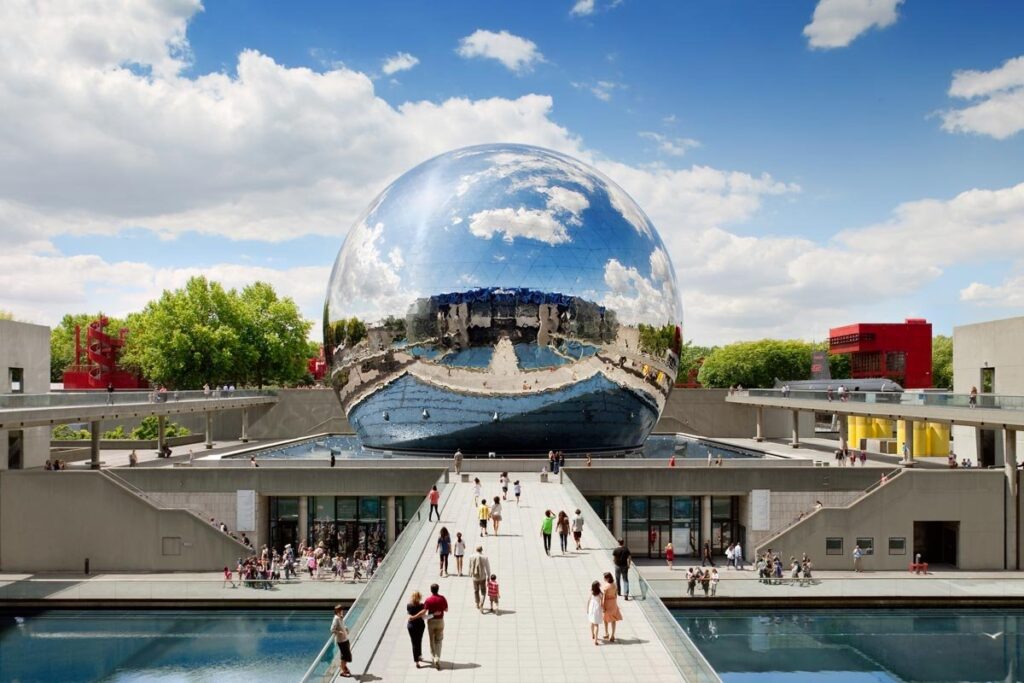
The 19th arrondissement sits at an interesting crossroads in Paris’s safety conversation. Its reputation has been shaped by both real challenges and outdated perceptions, with the reality varying dramatically between different neighborhoods and times of day.
Origins of Its Notoriety
The 19th has earned its place in conversations about dangerous places in Paris for several specific reasons. Historically, this was a working-class area that never attracted the tourist crowds or investment that other arrondissements received.
The district recorded 18,005 criminal incidents in 2024, down from 19,744 in 2023. While that’s a nearly 9% drop, the numbers still put it at the top of Paris crime statistics. What really sealed its reputation though? The concentration of drug activity, particularly around certain metro stations.
The Stalingrad-Riquet sector became the epicenter of the city’s crack problem. I’ve watched this area transform over the years, and by 19-20 hours each evening, groups of fifty or more dealers and users gather near the metro. The “Forêt linéaire nord” park even got closed to the public because it became the heart of Paris’s crack trade.
But here’s what’s interesting: the 19th actually ranks 11th out of 20 arrondissements when you calculate crimes per resident. The raw numbers look bad partly because it’s one of Paris’s larger districts.
Daytime Ambience Versus Nighttime Risks
During daylight hours, the 19th shows you a completely different face. The 19th arrondissement becomes a vibrant, diverse neighborhood with residents from all corners of the world creating an authentic global atmosphere.
You’ll find families strolling through Parc des Buttes-Chaumont, one of Paris’s most beautiful green spaces. The Canal de l’Ourcq buzzes with joggers and cyclists. Local markets fill with shoppers, and the café terraces stay busy with regulars catching up over coffee.
After sunset, certain areas change dramatically. The well-lit, busy streets around the Buttes-Chaumont remain relatively safe. But zones near Stalingrad, Riquet, and Place des Fêtes develop serious problems as darkness falls.
One long-time resident told authorities she doesn’t leave her apartment after 20h anymore. Another described dealing with “crackheads armed with knives who scream in the middle of the night.” These aren’t exaggerations for effect—they’re documented testimonies from people who’ve lived there for decades.
Comparing Safety: Is Paris Safe?
When people ask “is Paris safe,” the 19th complicates the answer. Paris overall remains safer than many major cities, but this arrondissement skews the statistics.
The 7th, 14th, and 15th arrondissements have crime rates up to ten times lower than the 19th. That’s a massive gap within the same city. The 19th leads Paris with 1,542 violent assaults in 2023 and 2,292 cases of property destruction and vandalism.
Compare this to other risky districts like the 18th and 20th, and you’ll see the northern and northeastern arrondissements form a troublesome arc that’s concerned authorities since the 1990s.
Yet residents give the 19th an average rating of 6.06 out of 10. That’s not terrible. Many families have raised children here successfully, and some locals insist the area gets unfairly demonized. The truth? It depends entirely on which specific streets you’re walking and what time your watch shows.
Crime and Safety Statistics in the 19th Arrondissement
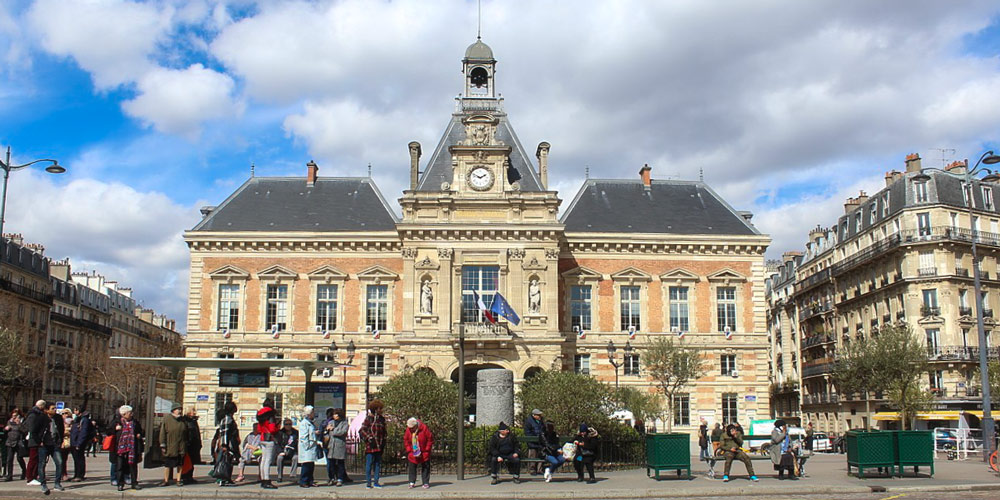
The 19th arrondissement recorded 18,005 criminal incidents in 2024, down from 19,744 the previous year. But certain violent crimes still rank highest in Paris here, particularly assaults and property damage.
Types of Crime Most Commonly Reported
You’ll find that violent assaults dominate the crime statistics in concerning ways. The 19th arrondissement leads Paris with 1,542 cases of assault and battery recorded in 2023, putting it at the top of all 20 arrondissements. Property crimes follow closely behind, with 2,292 cases of vandalism and intentional property destruction—again, the highest in the city.
Vehicle theft is another major issue you need to watch out for, with approximately 1,718 reported cases. Drug-related offenses permeate many neighborhoods, especially around Stalingrad where crack consumption is visible and concentrated near metro stations.
Most Common Crimes:
Assault and battery
Property destruction and vandalism
Vehicle theft
Drug trafficking and consumption
Crime Hotspots by the Numbers
The Stalingrad-Riquet area consistently shows the highest concentration of criminal activity. After 7 PM, you’ll notice groups of 50 or more people gathering around the Villette basin for drug transactions. Place des Fêtes sees regular evening gatherings linked to drug trafficking, and police arrested two mid-level dealers there in late 2023.
Rosa-Parks ranks among the most problematic zones, with residents calling it particularly unsafe. The Danube sector made headlines when police seized 600 cannabis plants and even rocket launchers during one raid.
Area | Primary Issue | Peak Risk Times |
|---|---|---|
Stalingrad-Riquet | Crack dealing | After 7 PM |
Place des Fêtes | Drug networks | Evening hours |
Rosa-Parks | Multiple issues | Night |
Progress in Local Policing and Trends
Here’s some genuinely good news—crime dropped by 9% between 2023 and 2024. That’s nearly 1,740 fewer incidents across the arrondissement. Authorities installed 38 secured school zones and added extensive camera surveillance throughout sensitive areas.
But let me be honest with you: despite these improvements, the 19th still holds the dubious distinction of being considered Paris’s most sensitive arrondissement in 2025. Increased police patrols haven’t eliminated the core problems, especially the entrenched drug networks.
Urban renewal projects at Place des Fêtes, Danube, and Rosa Parks aim to transform these troubled spots. Local residents have organized petitions and community groups to reclaim public spaces. The question isn’t whether things are improving—they are, statistically—it’s whether the pace matches what the neighborhood actually needs.
Neighborhoods to Be Cautious Of at Night
The 19th arrondissement transforms after sunset, with some pockets requiring extra awareness. Stalingrad and its surrounding streets see the most concerns, while areas near Place des Fêtes and the northern edges bordering La Chapelle need your attention too.
Stalingrad-Riquet
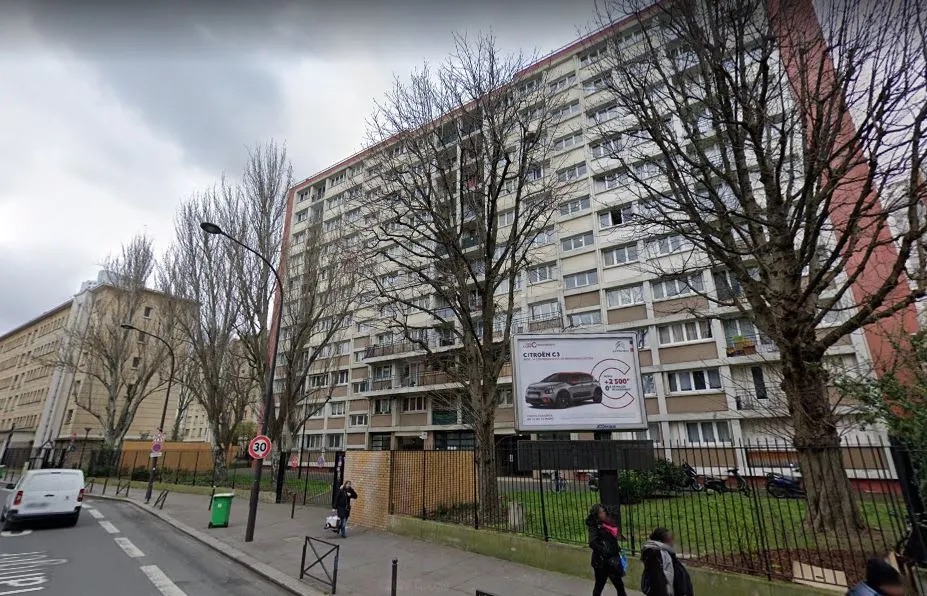
You’ll want to keep your wits about you around Place de la Bataille de Stalingrad and the Rue de Flandre corridor, especially once darkness falls. I’ve seen this area shift dramatically between day and night—what feels vibrant during afternoon hours can turn sketchy after 10 PM.
The Stalingrad and Riquet metro stations become hotspots for drug activity and aggressive panhandling late at night. While police do patrol more heavily on weekend evenings, robberies still happen with enough frequency that locals avoid cutting through here.
What makes this area risky:
Drug dealing near metro exits
Aggressive begging and harassment
Poor lighting on side streets
Fewer pedestrians after dark
The stretch between Stalingrad and Crimée is particularly problematic. If you’re staying nearby, take taxis back to your hotel rather than walking through after evening outings.
Place des Fêtes and Rosa-Parks
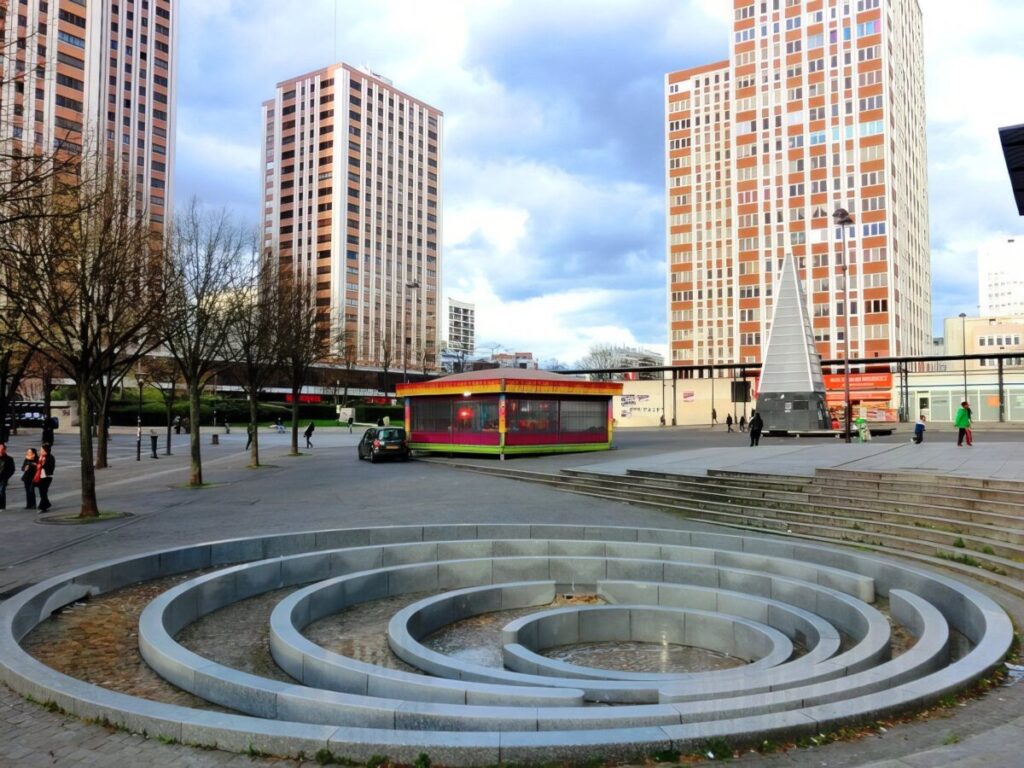
Place des Fêtes sits in the southern part of the arrondissement and honestly, it’s not somewhere I’d recommend wandering around at night. The plaza itself attracts groups that can make solo travelers uncomfortable, and the surrounding streets feel isolated once shops close.
Rosa-Parks station area is newer and generally better, but don’t let the modern architecture fool you. The residential blocks between Rosa-Parks and Riquet can feel deserted after 9 PM, with minimal foot traffic and dim streetlights. You’re not likely to encounter violent crime here, but the emptiness itself creates vulnerability.
Stick to main boulevards if you need to pass through these neighborhoods after dark. The metro runs late, but walking between stations through residential streets isn’t worth the risk.
La Chapelle and Porte de Clignancourt
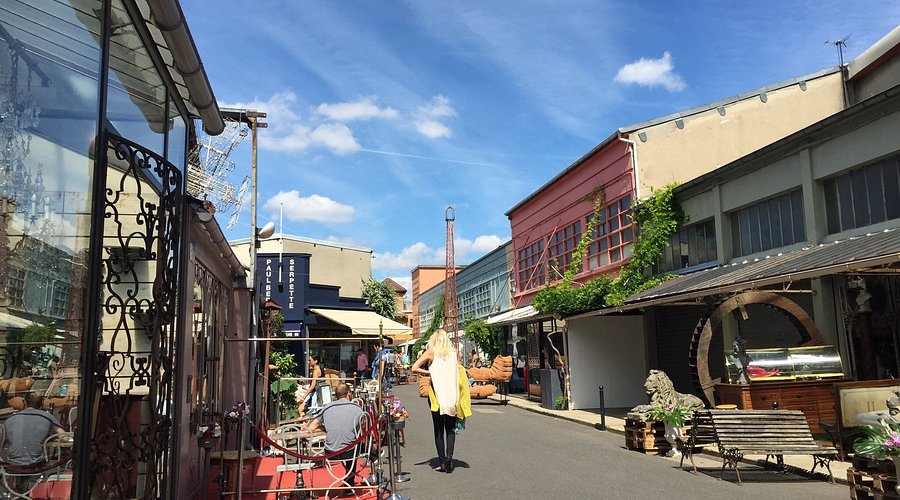
Now technically La Chapelle falls in the 18th arrondissement, but it borders the 19th so closely that you’ll likely encounter it. The streets around La Chapelle metro station have a rough reputation for good reason—petty theft, drug activity, and an overall chaotic atmosphere dominate after dark.
Porte de Clignancourt, famous for its weekend flea markets, becomes a different place entirely once vendors pack up. The underpasses and surrounding blocks attract individuals involved in illegal activities, making this another spot to avoid at night.
I’ve walked through both areas during daytime and felt fine, but I wouldn’t do it after sunset. If you’re headed to Montmartre or other 18th arrondissement attractions, plan your route to bypass these neighborhoods entirely once evening arrives.
Relatively Safe and Popular Areas Within the 19th
The 19th arrondissement has several neighborhoods that feel welcoming and secure, especially during daytime hours. These spots attract both locals and visitors with their parks, cultural venues, and waterside cafes.
Buttes-Chaumont and Parc des Buttes-Chaumont
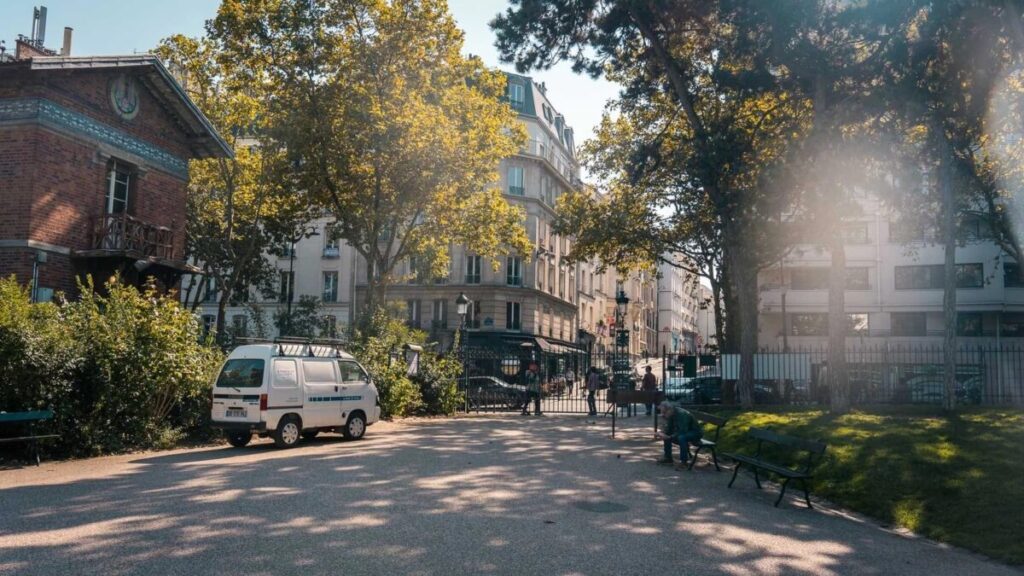
You’ll find one of Paris’s most beautiful green spaces right here. The Parc des Buttes-Chaumont is safe and lively during daylight hours, drawing families, joggers, and couples who come for the dramatic cliffs and lake views.
The Temple de la Sibylle sits at the park’s highest point. You can climb up for panoramic views across Paris. It’s honestly one of my favorite spots to bring visitors who want something different from the usual tourist parks.
The surrounding residential streets have a calm, neighborhood feel. The nearby Mouzaïa district features charming cobblestone lanes and small houses that make you forget you’re in a major city. This pocket of the 19th feels completely different from the busier areas near major metro stations.
La Villette and Cité des Sciences
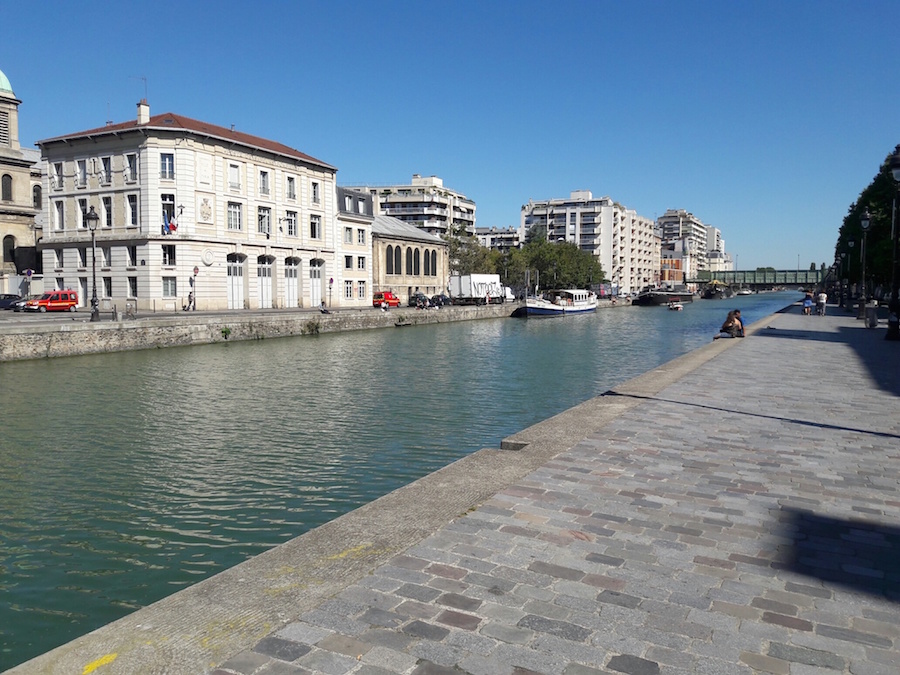
The Parc de la Villette complex feels modern and family-friendly. You’ll see the massive science museum, concert halls, and wide open lawns where Parisians picnic on sunny days.
La Villette hosts concerts and outdoor movies throughout the year, making it particularly vibrant during festival season. The Philharmonie de Paris and Cité des Sciences draw crowds who come specifically for cultural events.
This area feels safe because it’s well-maintained and regularly patrolled. But you should still watch your belongings in crowded spaces. The surrounding streets have less character than other parts of the 19th, though they’re perfectly fine for walking during the day.
Canal Saint-Martin and Canal de l’Ourcq
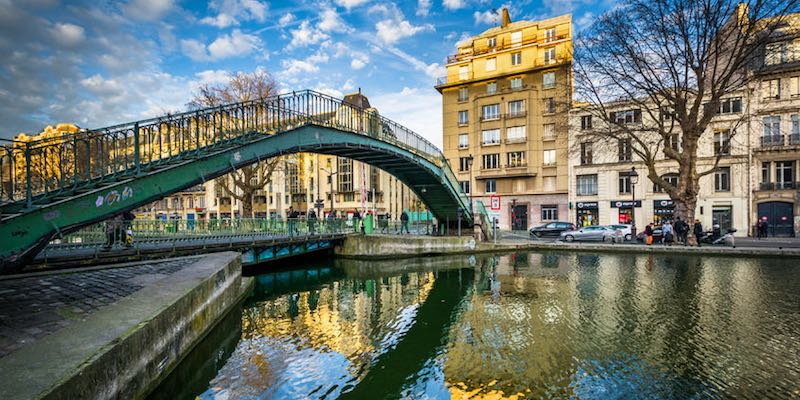
The Canal de l’Ourcq runs through the 19th and connects to the more famous Canal Saint-Martin. You’ll find trendy cafes and bars along the water, especially near the Bassin de la Villette.
This waterside area transforms into a social hub during warm months. Locals gather on the banks for drinks and conversation. The promenades are well-lit and feel comfortable for evening strolls, though you should avoid isolated stretches late at night.
The canal path is great for walking or cycling. You can follow it for kilometers through the arrondissement, passing under bridges and alongside converted industrial buildings that now house creative businesses and restaurants.
Safety Near Major Transportation Hubs
Major train stations connecting to the 19th arrondissement present heightened security concerns, particularly around Gare du Nord where pickpocketing and theft concentrate heavily during rush hours and late evenings.
Gare du Nord and Metro Stations
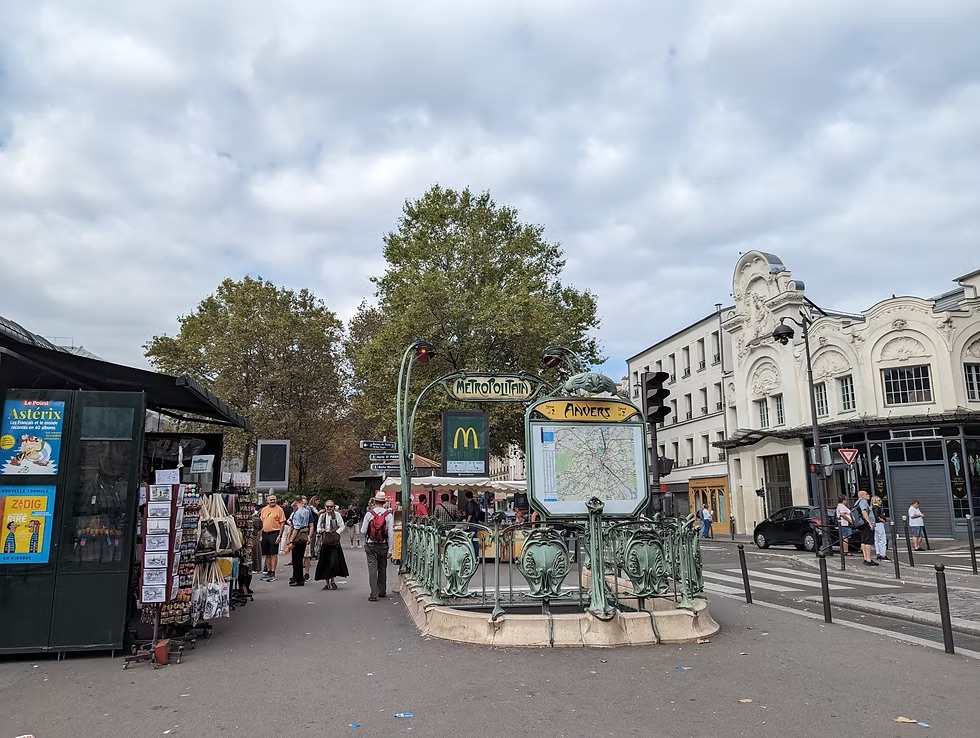
Gare du Nord has high crime rates including pickpocketing and petty theft that you need to watch for constantly. I’ve seen tourists get their bags snatched in seconds while checking their phones near the station entrance.
The metro stations connecting the 10th and 19th arrondissements create what locals call “transition zones.” These areas get sketchy because they’re not really part of any single neighborhood. You’ll find people hanging around who specifically target travelers moving between districts.
Key stations to watch:
Stalingrad (lines 2, 5, 7)
Jaurès (lines 2, 5, 7bis)
Crimée (line 7)
Ourcq (line 5)
Keep your bag zipped and close to your body when you’re navigating these connections. The platforms get crowded during morning and evening commutes, which is exactly when pickpockets work best. And honestly? Don’t pull out your phone to check directions while standing still in these stations.
Transition Zones: The 10th and Adjacent Arrondissements
The 10th arrondissement surrounds Gare du Nord and shares similar security challenges with the neighboring 19th. When you’re moving between these districts, you’re crossing through areas where the usual neighborhood watch doesn’t really exist.
These transportation hubs aren’t inherently dangerous, but you need to stay mindful of your surroundings. I always tell visitors to avoid walking alone in dimly lit areas near these stations, especially the side streets branching off from Gare de l’Est.
The challenge is that you can’t always avoid these hubs if you’re staying in or visiting the 19th arrondissement. Your best bet is timing your travel during daylight hours when possible and keeping your valuables hidden. Don’t wear expensive jewelry or flash your camera around your neck like a tourist billboard.
Local Tips and Precautions for Visitors
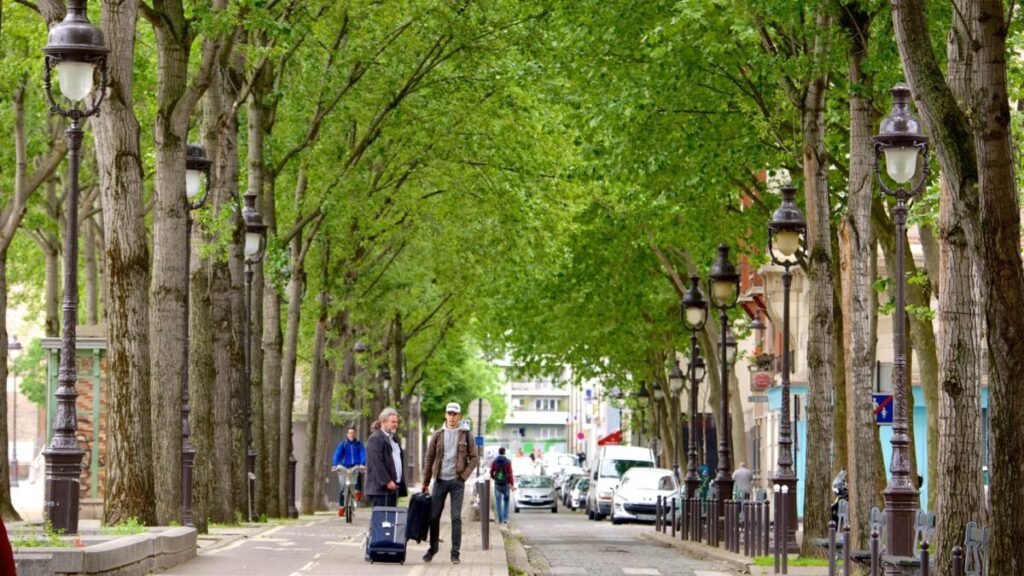
Smart choices about where you walk after sunset, which neighborhoods to book accommodation in, and how to spot common tourist traps can make your visit to the 19th arrondissement much safer and more enjoyable.
Staying Streetwise After Dark
The 19th changes character once the sun goes down. You’ll want to skip the Stalingrad area late at night, especially around Rue de Flandre and Place de la Bataille de Stalingrad.
These spots see more robberies and drug-related activity after dark. I’ve walked through here during the day without issues, but it’s a different story at night.
Stick to well-lit streets near La Villette or along the livelier sections of Canal Saint-Martin. The Métro Line 5 runs until about 1:30 a.m. on weekdays and 2:15 a.m. on weekends, so you have decent options for getting back to your room.
If you’re out later than that, taxis get expensive fast. Walk with purpose, keep your phone tucked away, and avoid the Stalingrad-Crimée stretch entirely after sunset.
Choosing Hotels and Lodging Safely
The southern parts near Parc des Buttes-Chaumont offer the best mix of charm and safety. Budget hostels start around $72 per night, while three-star places typically run between $100 and $150.
Safe Neighborhood Options:
Areas near Parc des Buttes-Chaumont
Canal de l’Ourcq corridor
La Villette district
You can find hotels in Paris across different price points, but location matters more than amenities in the 19th. The Buttes-Chaumont area gives you tree-lined streets and easier access to central Paris. La Villette stays lively in the evenings with cultural venues nearby.
Just avoid booking anything too close to Stalingrad or the northern edges near Porte de la Villette.
Common Scams and How to Avoid Them
Pickpockets work the crowded areas around Gare du Nord and the busy Métro stations in the 19th. They’re looking for distracted tourists with phones out or bags hanging open.
Keep your belongings close in crowded transit areas. The classic moves include someone bumping into you while an accomplice grabs your wallet, or groups of kids surrounding you asking for directions.
Watch Out For:
Overly friendly strangers offering unsolicited help
People asking you to sign petitions (they’ll pickpocket you while you’re distracted)
Anyone crowding your personal space on the platform
Don’t flash expensive cameras or jewelry in dangerous places in Paris like Barbès or La Chapelle. Keep your bag in front of you on the Métro, not slung over your shoulder where you can’t see it.
Frequently Asked Questions
The 19th arrondissement raises specific questions about safety, especially for visitors planning their first trip. Crime rates vary significantly by neighborhood, and understanding which areas need extra caution helps you make smart decisions about where to go and when.
What safety precautions should tourists consider when visiting the 19th arrondissement?
You’ll want to stick to well-lit main streets after dark, especially if you’re exploring areas near Stalingrad or Place des Fêtes. Keep your phone tucked away when you’re not using it, and avoid wearing expensive jewelry that draws attention.
The metro stations at Stalingrad, Crimée, and Ourcq require extra awareness. Stay alert and keep your belongings close to your body in these spots.
If you’re planning to visit during the day, you’ll find the large parks much safer when they’re filled with families and locals. The Parc des Buttes-Chaumont and Parc de la Villette attract plenty of people, which naturally improves security.
Travel during daylight hours whenever possible, particularly if you’re checking out neighborhoods you don’t know well. And honestly, if something feels off to you, trust that instinct and head to a busier area.
How does the crime rate in the 19th arrondissement compare to other parts of Paris?
The 19th arrondissement recorded 18,005 crime incidents in 2024, which marked a 9% drop from the previous year. That’s progress, but it still places this area as the third most sensitive arrondissement in Paris.
The 18th and 20th arrondissements currently rank higher for crime concerns. Meanwhile, the 7th, 14th, and 15th arrondissements show crime rates about ten times lower than what you’ll find in the 19th.
This doesn’t mean every street in the 19th is risky. The arrondissement spans diverse neighborhoods, and some sections feel as safe as anywhere else in the city.
But petty theft like pickpocketing remains common in crowded spots throughout Paris, and the 19th sees its share of these incidents too.
Are there specific areas within the 19th arrondissement that families should avoid?
Families should give the Stalingrad-Riquet sector a wide berth, especially after 7 PM. This area struggles with drug-related issues and has earned a reputation as one of the most sensitive neighborhoods in the city.
Place des Fêtes and the surrounding Danube quarter also present challenges. These neighborhoods have seen violent incidents and ongoing problems with drug trafficking.
The Rosa Parks area and Cité Cambrai continue to deal with safety concerns despite some improvements. Local residents have raised complaints about both security and cleanliness in these zones.
On the flip side, you’ll love the neighborhoods around Parc des Buttes-Chaumont. This beautiful area offers a peaceful, family-friendly atmosphere with tree-lined streets and a village feel.
The Mouzaïa quarter stands out as particularly charming for families. Its quiet lanes, small houses, and garden courtyards create a safe environment that feels worlds away from the busier parts of the arrondissement.
What is the atmosphere of the 19th arrondissement like during the evening hours?
The 19th transforms after sunset, and not always in a good way. Certain areas become riskier for visitors once darkness falls, particularly around Stalingrad and the less-traveled side streets.
You’ll notice fewer people on the streets in some neighborhoods, which changes the whole vibe. Areas that buzz with activity during daytime hours can feel deserted and uncomfortable after dark.
But it’s not uniformly sketchy. The sections near major parks and cultural venues maintain a pleasant atmosphere throughout the evening. When you’re exploring tours and activities in Paris, you’ll find plenty of options that keep you in safer, well-populated areas.
The Canal de l’Ourcq attracts evening strollers in summer, though you should still stay aware of your surroundings. Residential pockets near Buttes-Chaumont remain calm and pleasant even after the sun goes down.
Your experience really depends on which specific neighborhood you’re in. The 19th isn’t one uniform zone—it’s a patchwork of very different atmospheres that shift dramatically from block to block.
Find Things to Do in Paris
Find Accommodation

Continue Planning Your Paris Trip

Your Go-To Guide for Local SIM Cards in France: What Tourists Need to Know
Visiting France and want to stay connected without roaming fees? How tourists pick a local SIM card, what…
Read Guide →Paris Fashion Week Travel Guide: Ultimate Insider Tips and Hotspots
You don't need a runway seat to experience Paris Fashion Week. Catch street style, designer boutiques, pop-up installations,…
Read Guide →
Travel Agencies in Paris: 10 Current Agencies and Tour Operators for 2026
Planning a Paris trip and want local expertise? Ten travel agencies for 2026, from boutique luxury specialists to…
Read Guide →