

Planning a trip to the City of Light? Good news—visiting Paris is pretty easy for Americans. US citizens don’t need a visa to visit Paris for up to 90 days in any 180-day period. Just bring a valid passport and you’re set to wander the cafés, museums, and those charming cobblestone streets.
But heads up: there’s a new requirement on the horizon. Starting in 2026, you’ll need to register for ETIAS before your trip. It’s not actually a visa, just a quick online travel authorization that takes a few minutes.
Whether you’re a first-timer or a Paris regular, it’s smart to know these entry rules so you don’t get caught off guard at the airport. Here’s what you need to know to get to Paris without any headaches.
Key Takeaways
- Americans can visit Paris visa-free for up to 90 days with a valid passport
- From 2026, US citizens must get ETIAS authorization before traveling to France
- Your passport should be valid for at least three months after you leave Europe
Visa Requirements for US Citizens Traveling to Paris
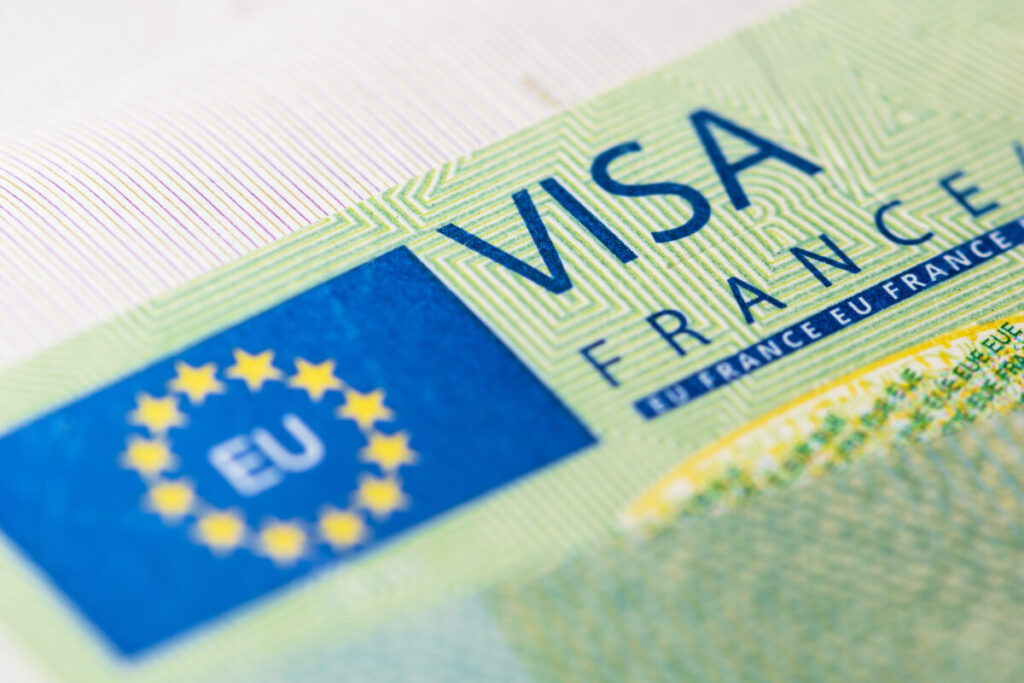
Americans don’t need a visa for short Paris trips, but there are a few rules on how long you can stay and what you can do. Your passport needs to be valid for at least three months after you plan to leave France.
Short-Term Stay Restrictions

You can spend up to 90 days in France (and anywhere else in the Schengen Area) within a rolling 180-day period, no visa required. The Schengen Area covers 27 European countries, so you’ve got options.
That 180-day period isn’t by calendar year—it’s always counting backward from the current day. If you use up your 90 days, you’ll need to wait another 90 before coming back to France or any Schengen country. Border officials check this using your passport stamps.
If your passport expires sooner than three months after your departure, airlines might not let you board, or French immigration could send you packing.
Purpose of Visit Eligibility
The 90-day visa-free rule covers tourism, business meetings, and visiting family or friends. You can check out museums, eat your way through Paris, go to conferences, or meet business contacts—no extra paperwork needed.
But you can’t work or study during those 90 days. Even remote work for a US company gets a little fuzzy—France usually doesn’t care for short visits, but don’t push your luck. If you want to earn money or take classes, you’ll need the right visa before you go.
If you’re just passing through Paris on your way somewhere else, you’re still covered by the visa-free rule. Feel free to squeeze in a quick city adventure between flights.
Long-Stay and Special Visas
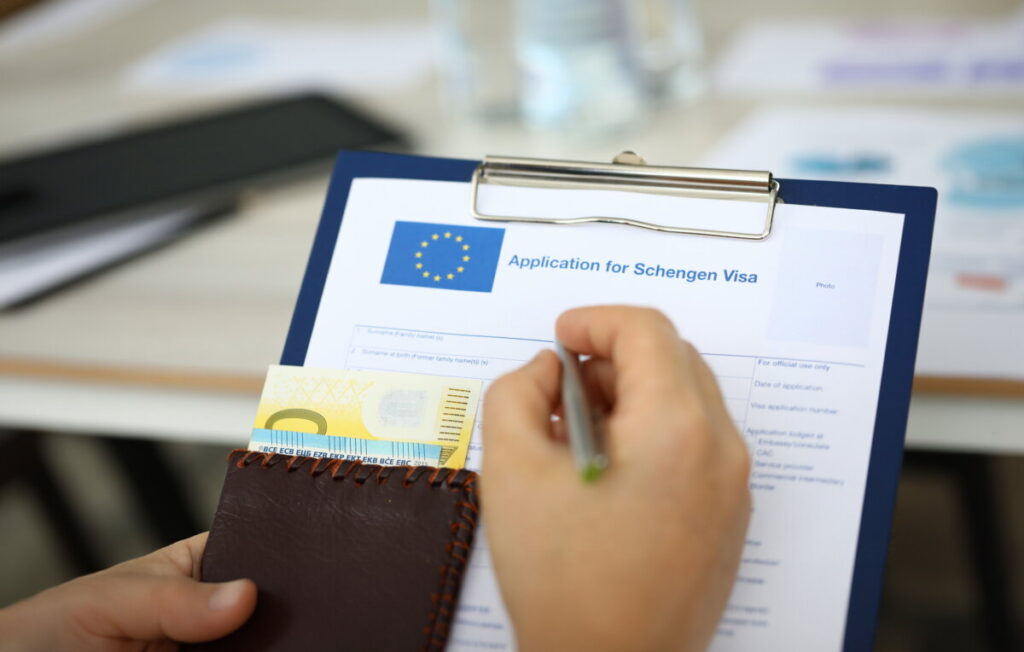
Planning to stay more than 90 days? You’ll need a long-stay visa, and you have to apply at a French consulate in the US before you leave. The process takes several weeks and you’ll need specific documents depending on your situation.
Common long-stay visa types:
- Work visa – you’ll need a job offer from a French employer
- Student visa – show proof of university enrollment
- Family visa – for joining relatives in France
- Talent passport – for highly skilled pros
Expect to show financial proof, background checks, and sometimes get a medical exam. If you try to work in Paris without the right visa, you risk deportation and future travel bans.
The Shift to ETIAS for France in 2026

From late 2026, US citizens will need to complete an online authorization called ETIAS before visiting Paris or anywhere in France. It costs €20 and isn’t like a regular visa.
What is ETIAS and How It Works

ETIAS stands for European Travel Information and Authorization System. It’s a new security check that screens travelers before they arrive in Europe.
You’ll fill out a quick online form—no embassy visits or interviews. Just basic stuff: passport info, travel plans, and some background questions.
The system checks your details against security databases. Most people get approved in minutes, but sometimes it can take up to 96 hours. Once you’re approved, your ETIAS is linked to your passport number.
Your ETIAS for France is good for three years or until your passport expires—whichever comes first. You can visit France and the other 29 participating European countries as often as you want, but you still can’t stay longer than 90 days in any 180-day period.
Who Needs to Apply for ETIAS

Every US citizen heading to Paris needs ETIAS starting in 2026, even kids and babies.
You’ll need ETIAS for vacations, business, or even if you’re just connecting through a French airport. The rules cover all Schengen countries, so your ETIAS for Paris works for trips to Spain, Italy, Germany, and the rest.
If you’re staying longer than 90 days or planning to work, you’ll need a real visa instead.
ETIAS Versus Traditional Visas

ETIAS isn’t a visa—it’s a pre-travel authorization.
Here’s the difference: visas require paperwork, embassy appointments, and weeks of waiting. ETIAS takes about 10 minutes online, and you usually get approved right away.
ETIAS costs €20, while visas often run $100–$200 or more. Plus, you don’t have to send in your passport.
But the basics remain: both ETIAS and visa-free travel let you stay 90 days in any 180-day period. ETIAS doesn’t give you extra time—it just adds a security step to the usual process.
See Related: The Ultimate Travel Guide to the Eiffel Tower
How to Apply for ETIAS France

The ETIAS application is simple and 100% online—no need to visit an embassy or do interviews. You’ll need about 10 minutes, a valid passport, and a way to pay.
Step-by-Step ETIAS Application Guide

Once the system goes live in late 2026, go to the official ETIAS website. The form asks for your name, date and place of birth, and your contact info (including email).
Then enter your passport details—number, issue date, and expiry date. Double-check this, since ETIAS links directly to your passport.
You’ll answer a few questions about your travel plans and some basic security stuff. Nothing wild, just be honest and accurate. The system cross-checks your answers with European security databases.
After reviewing your info, pay the processing fee online with a debit or credit card. Most people get approved in minutes, but sometimes it takes up to 96 hours.
Required Documents and Fees

You only need two things: a valid U.S. passport and a way to pay. Your passport should have at least three months left beyond your planned departure from France.
The ETIAS fee is €20 (about $22–23, depending on exchange rates). Pay online with most credit or debit cards. If you’re under 18 or over 70, you don’t pay the fee—your ETIAS is free.
You’ll get your approved ETIAS by email. You don’t need to print it since it’s linked to your passport, but I like to save a copy on my phone, just in case.
Validity and Renewal Rules

Your ETIAS stays valid for three years from approval, or until your passport expires—whichever is sooner. You can travel to France and other Schengen countries as often as you want during this time, as long as you don’t overstay the 90-day rule.
If your passport expires before the three years are up, your ETIAS stops working too. You’ll need to apply again with your new passport and pay the €20 fee.
Each visit to the Schengen Area can last up to 90 days in any 180-day window. ETIAS doesn’t change that rule; it just lets you enter. Border officials check your authorization when they scan your passport.
Entry and Passport Requirements for US Travelers

Your passport has to meet certain rules, and you’ll want to know about the new electronic systems Europe is rolling out. France doesn’t require a visa for short stays, but there are a few entry rules you can’t ignore.
Passport Validity and Condition Rules
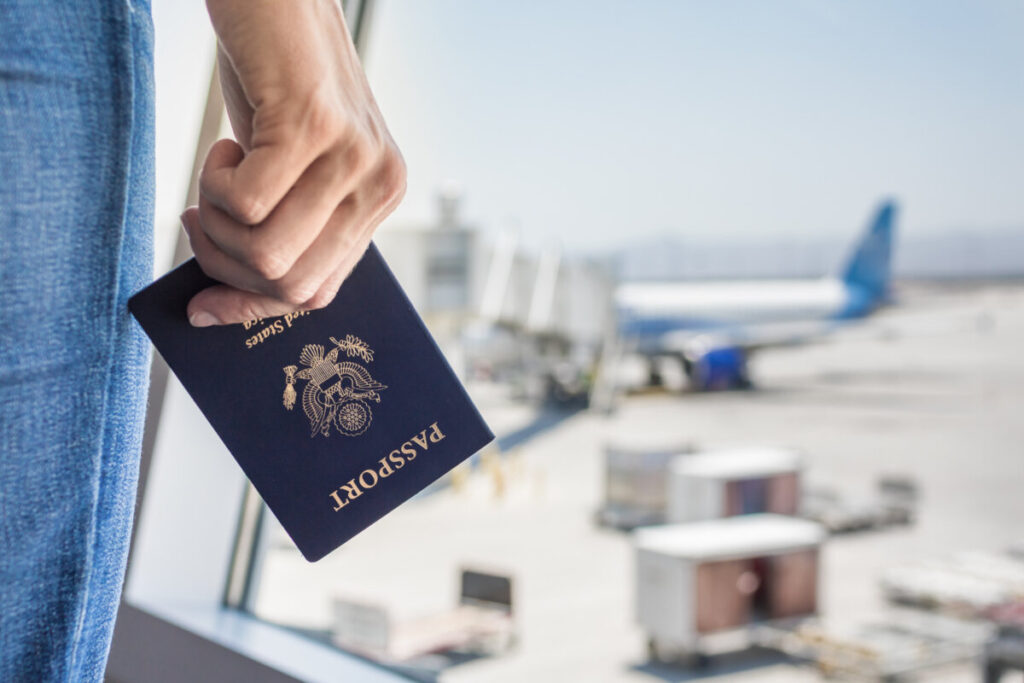
Your passport needs to be valid for at least three months after you leave France and the Schengen Area. Airlines check this before you board.
I’ve seen people get turned away at the airport because their passport was expiring soon. Honestly, it’s safer to have at least six months left on your passport when you travel. Why risk it?
Important passport conditions:
- Issued within the last 10 years
- At least two blank pages
- No major damage—no tears, water stains, or missing pages
France won’t accept the 12-page emergency passport that US embassies give out overseas. If you show up with one, French immigration might refuse you entry. Bring a regular passport book.
Proof of Onward Travel and Accommodation

Border officials might ask for proof you’re leaving France within 90 days. Usually, a return flight ticket or proof of onward travel to another country does the trick.
They could also ask where you’re staying. A hotel booking, Airbnb confirmation, or a letter from your friends or family works. Most travelers never get asked, but it’s smart to have this info on your phone or printed out.
Border Checks and Electronic Systems

From 2026, you’ll have to register with ETIAS (European Travel Information and Authorization System) before visiting France. It’s not a visa—just a quick online pre-screen.
The ETIAS application is online, costs a small fee, and takes only a few minutes. You’ll answer questions about your background and travel plans, and approval usually comes fast. Once you’re approved, your ETIAS is valid for three years.
France is also rolling out the Entry/Exit System (EES), which digitally tracks when you enter and leave the Schengen Area. This system replaces passport stamps and keeps tabs on your 90-day limit.
Exploring the Schengen Area from Paris

Once you’re in Paris, you’re not stuck in France. The whole Schengen Area opens up, so you can hop on a train to Brussels or fly to Barcelona—no passport control at each border.
Schengen Entry and Exit Rules

Your 90-day clock starts the moment you enter any Schengen country, not just France. So, if you spend 30 days exploring Paris and the French countryside, you’ve got 60 days left to use across all 29 Schengen countries during that 180-day period.
The 90 days don’t reset when you move between Schengen countries. If you fly from Paris to Rome, you’re still using your 90-day allowance.
Since October 2025, the Entry and Exit System (EES) has been tracking your movements automatically. When you first enter a Schengen country, border officials collect your fingerprints, facial image, and passport info. The system logs your entry and exit dates digitally. No extra fee, and you don’t have to do anything in advance.
Make sure your passport is valid for at least three months after your planned departure from the Schengen Area.
Using ETIAS Across Multiple Countries

The European Travel Information and Authorization System—ETIAS—is set to launch in late 2026. Once it’s live, you’ll need to register online before heading to France or any other Schengen country.
Honestly, ETIAS France registration feels a lot like what you already do for places like the U.S. or Canada. You fill out one online form, and that covers you for multiple trips across all Schengen nations. So, if you get ETIAS approved for France, you’re good for everywhere from Portugal to Poland.
Here’s the best part: register once, and you can use it for tourism, business, or just visiting friends throughout the entire Schengen zone. The 90-day rule still applies, ETIAS or not. But if you’re based in Paris, that freedom to hop around neighboring countries without extra visa headaches? It really makes planning weekend trips a breeze.
See Related: CDG Airport Tips: Essential Hacks for a Smooth Journey
Additional Tips and Special Cases for Paris-Bound Americans

Planning a Paris adventure? You might run into a few situations that need more than just the basic passport rules. If you’re bringing kids or pets, you’ll need extra paperwork. And knowing what customs expects will save you some stress.
Traveling with Minors or Pets
Bringing kids to Paris? Every child, no matter how tiny, needs their own passport. France doesn’t allow children on their parents’ passports anymore.
If you’re traveling with someone else’s child, bring a notarized letter from both parents giving permission for the trip. French border officials sometimes ask for this, especially if the child’s last name doesn’t match yours. I’ve seen families stuck at Charles de Gaulle just because they didn’t have that letter.
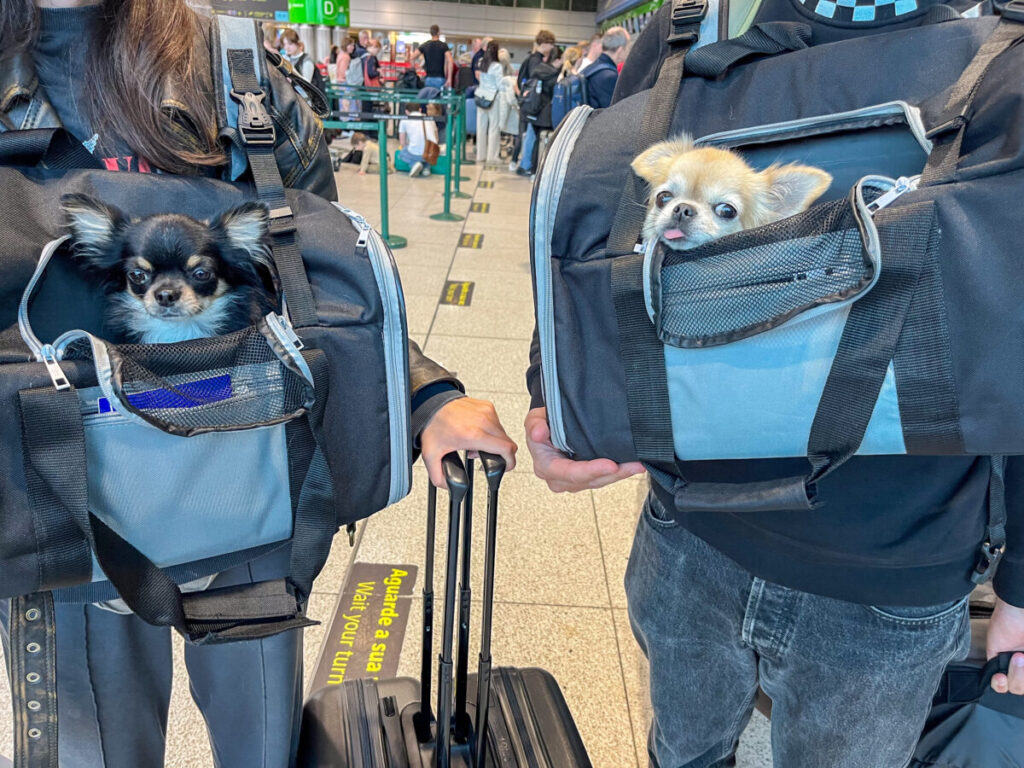
For pets, France wants a microchip, a rabies vaccination certificate, and a health certificate from your vet—issued within 10 days of travel. Your dog or cat needs to be at least 12 weeks old and vaccinated at least 21 days before arrival. Airlines have their own pet policies, so double-check those early. Some breeds aren’t allowed, and Paris enforces leash laws in public.
Medical, Customs, and Safety Tips

France doesn’t require Americans to get any special vaccinations, but bring enough prescription meds for your whole trip in their original containers. Keep a copy of your prescriptions just in case.
You can carry up to €10,000 in cash without declaring it. Food gets tricky: packaged snacks are usually fine, but fresh meat, dairy, and some fruits are a no-go for the EU.
Sign up for the Smart Traveler Enrollment Program (STEP) before you leave. It’s free and connects you to the nearest U.S. embassy if something goes sideways. Keep copies of your passport and important papers separate from the originals, and snap photos on your phone for backup.
See Related: Traveling to France: Do Americans Need to Prove Their Funds?
Frequently Asked Questions
Americans planning a Paris trip usually have a bunch of questions about passports, travel authorizations, and what documents to bring for a hassle-free arrival.
How long can Americans stay in France as tourists without applying for a visa?
You get up to 90 days in France—or anywhere in the Schengen Area—within any 180-day period, no visa needed. If you’re bouncing between Paris, Rome, and Barcelona on one trip, all those days count toward your 90-day limit. The 180-day period keeps rolling, so keep an eye on your total Schengen days.
What travel documents should U.S. travelers have ready for arrival in France (passport validity, return ticket, proof of funds)?
Your passport should have at least three months left after your planned departure from France, and at least two blank pages for stamps.
Border officers might ask for your return ticket or proof of onward travel. They just want to see you’re not planning to overstay.
Be ready to show proof of sufficient funds—recent bank statements, credit cards, or traveler’s checks work. Sometimes hotels ask for this too, so keep those handy.
When will ETIAS be required for travel to France, and how will Americans apply?
ETIAS will be mandatory in 2026 for Americans traveling to France and other Schengen countries. The exact date isn’t set, but you’ll need it before you board your flight.
The whole process is online—no embassy visits. Just fill out a form with your passport info, travel details, and answer a few security questions.
It costs €7 and links straight to your passport. Most folks get approved within minutes, though some applications can take up to 96 hours. It’s valid for three years or until your passport expires, whichever comes first.
ETIAS isn’t a visa—it’s a travel authorization for folks from visa-exempt countries like the U.S. Basically, it pre-screens your info against security databases before you travel.
A Schengen short-stay visa is for people from countries that don’t have visa-free access to Europe. That process means embassy visits, interviews, and a lot more paperwork than ETIAS.
Americans only need a Schengen visa if they plan to stay longer than 90 days or if ETIAS gets denied. For regular tourist trips under 90 days, ETIAS will be all you need starting in 2026.
Do U.S. permanent residents (green card holders) need a visa to enter France for a short tourist visit?
It all depends on your passport, not your green card. The green card doesn’t give you visa-free access to France.
If your passport is from a visa-exempt country, you can visit France for up to 90 days without a visa. ETIAS will still be required starting in 2026.
But if your passport is from a country that needs a Schengen visa, you have to apply for one at a French consulate before your trip. Check France’s visa rules based on your nationality.
What are the entry requirements for Americans visiting France with kids, including parental consent and passport rules?
You’ll need a valid passport for every child, no matter how young. Yep, even babies and toddlers have to have their own.
If your child’s traveling with just one parent or someone who isn’t a parent, France suggests you carry a notarized parental consent letter. That letter should list both parents’ names, your child’s info, travel dates, and everyone’s contact details. It sounds like a hassle, but it could save you a headache.
For divorced or separated parents, bring custody documents if only one parent is traveling with the child. French border control doesn’t usually ask for this stuff, but airlines sometimes do before you board. Honestly, it’s better to be over-prepared than stuck at the gate wishing you’d packed that paperwork.
Find Things to Do in Paris
Find Accommodation

Continue Planning Your Paris Trip

Driving in Paris: Rules, Practice Tips and Scenic Road Trips
Driving in Paris is manageable when you understand the licence rules, 30 km/h streets, Crit’Air restrictions, the Paris…
Read Guide →How to Plan a Babymoon Trip to Paris: 5 Essential Steps for Expecting Couples
Planning a Paris babymoon? Travel in your second trimester, book a hotel with an elevator and AC, and…
Read Guide →Paris Fashion Week Travel Guide: Ultimate Insider Tips and Hotspots
You don't need a runway seat to experience Paris Fashion Week. Catch street style, designer boutiques, pop-up installations,…
Read Guide →