

The Orangerie Museum (Musée de l’Orangerie) is an art museum in Paris, France specializing in impressionist and post-impressionist paintings. The gallery is near the Louvre and the Musee d’Orsay. It is in the old orangery of the Tuileries Palace next to Place de la Concorde near the Concorde Metro Station.

Musée de l’Orangerie is best known for housing eight massive Water Lilies canvases by Claude Monet. It also features artwork by such artists as Paul Cézanne, Henri Matisse, Amedeo Modigliani, Pablo Picasso, Pierre-Auguste Renoir, Henri Rousseau, Alfred Sisley, Cham Soutine, and Maurice Utrillo.
A visit to this Paris museum will allow you to get an up-close look at some truly amazing masterpieces by some of history’s greatest artists!
History of Musée de l’Orangerie Paris
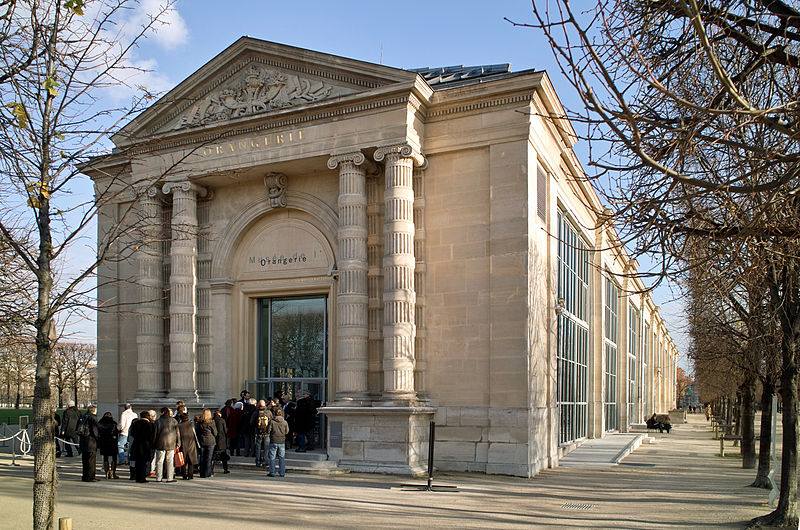
That’s not a make-up name, by the way. The gorgeous Musee de l’Orangerie is housed in a former orangery commissioned by Napoleon III in 1852 to provide winter protection for citrus trees in the Tuileries Gardens. The stone building, an orangery, was long and narrow.
The south side of the Orangerie, which faces the Seine, was made out of glass so the trees could get natural light. On the other hand, the north side has almost no windows to protect the citrus trees from cold winds, maximizing heat retention.
Before the Musée de l’Orangerie was built, the trees were kept in the Louvre‘s Grande Galerie. The architect Louis Visconti (1791–1853), known for making changes to the Louvre, decorated the main entrances on the east and west sides of the building. Charles Gallois-Poignant carved the triangular pediments on the columns by the doors. The cornucopias, plants, and ears of corn on top of the columns show that the building was used for farming.
After the Fall of the Empire in 1870 and the fire at the Tuileries Palace in 1871, the Musee Orangerie became the property of the State. The State kept using the Orangerie for its original purpose and public events like concerts, art shows, contests, and dog shows until 1922.
Key Information
Information | Details |
|---|---|
Location | Tuileries Gardens, 1st Arrondissement |
Highlights | Monet’s Water Lilies murals, other Impressionist and post-Impressionist works |
Hours | 9am – 6pm, closed Tuesdays |
Admission | €9 adult, €6.50 reduced, free under 18, first Sunday of month free |
Audio Guides | Available for €5, or download mobile guide app |
Access | Accessible entrance, elevators, wheelchairs available |
Amenities | Coat check, stroller parking, cafe, gift shop |
Tours | Guided tours available in multiple languages for additional fee |
Membership | Annual membership for unlimited visits and discounts |
Artworks in Musée de l’Orangerie
Monet’s Water Lilies
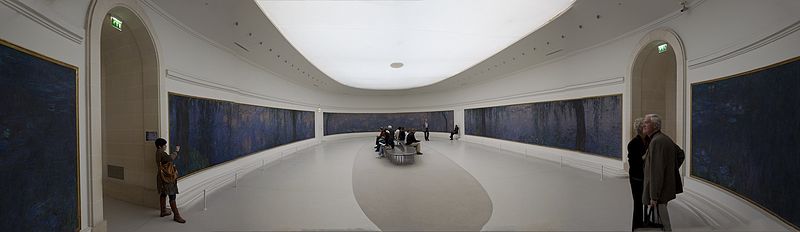
The museum’s Water Lilies display by Monet, which was unveiled in 1927, remains its most popular attraction. The eight panels are two meters high and ninety-one meters long, housed in two oval rooms resembling the infinity symbol. The panels face east to west so that the water lily paintings by Monet can be illuminated and the viewer can feel completely immersed in the scene as the light shifts throughout the day.
Jean Walter and Paul Guillaume Collection
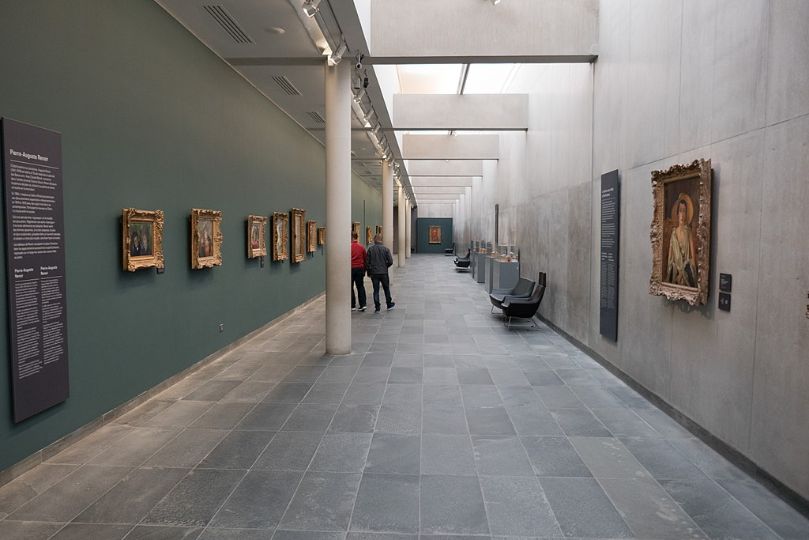
Jean Walter and Paul Guillaume’s collection of 148 pieces spanning the 1860s to the 1930s is one of the finest in all European art.
Paul Guillaume, a young, enthusiastic French art trader, mostly curated the Jean Walter and Paul Guillaume collection. From 1914 until he died in 1934, he gathered a large and diverse collection of artworks from all over the world, including several hundred paintings ranging from impressionism to modernism and even African and Oceanic pieces. He achieved success on a global scale, from Europe to the United States, and passed away just as he was planning to launch a museum to showcase his collection.
His widow remarried architect Jean Walter and began rearranging the collection while adding to it. She wanted to honor her husbands by giving the collection a title that bore their names when the French government purchased it at the end of the 1950s. The exhibits were later shown in the Musée de l’Orangerie in Paris.
Going to Musée de l’Orangerie
Location and Transportation Access
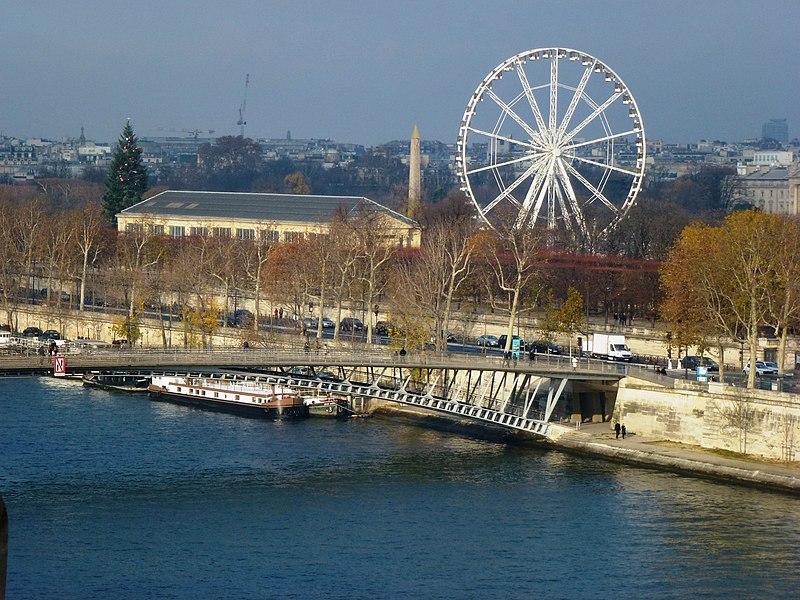
Musée de l’Orangerie is located in Jardin des Tuileries, Place de la Concorde (Seine side), 75001 Paris. Visitors can park at Place de la Concorde, at the corner of Avenue Gabriel and Place de la Concorde. There are also parking lots in Pyramides, and Carrousel du Louvre.
You can access Musée de l’Orangerie by Metro in lines 1, 8, 12 (Concorde station). You can go there by bus using lines 42, 45, 52, 72, 73, 84, and 94 (Concorde stop). There is also a taxi stand at 252 Rue de Rivoli.
Admission to Orangerie Museum
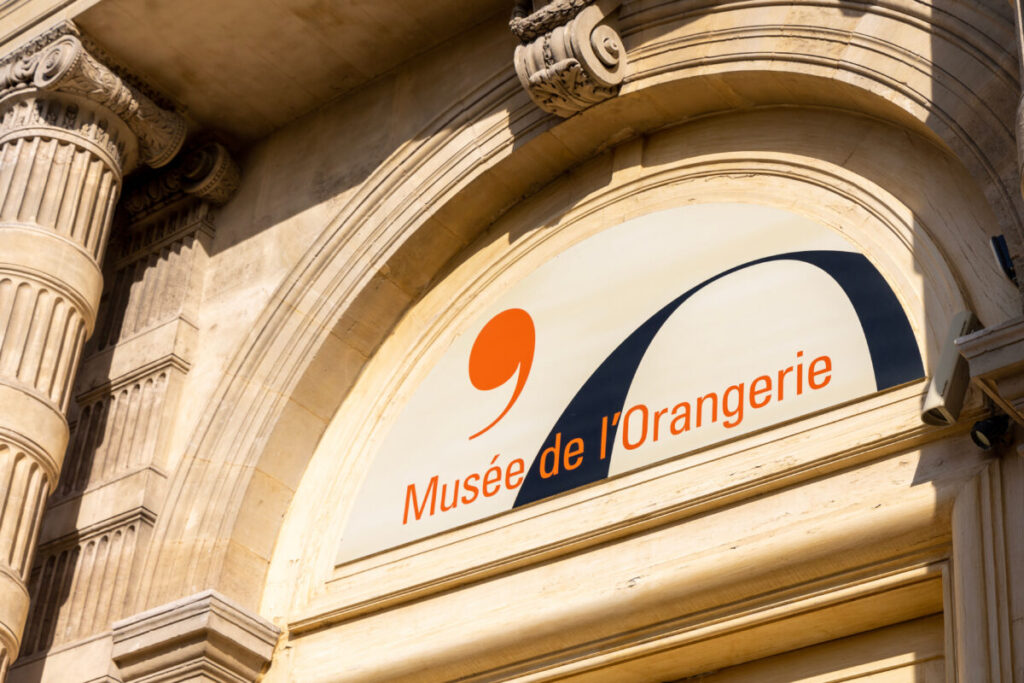
Booking tickets
When you buy a ticket online and make a time slot reservation, you get priority access half an hour before your reserved time. You can use the tickets to see the permanent collections like Monet’s water lilies and temporary exhibitions. You can also join guided tours to learn more about Monet’s masterpiece.
Discounts
A maximum of 2 European Union adults paying visitors and accompanying a child under 18 are eligible for the discounted rate. Entry is free for individuals under 18, 18 to 25-year-old EU citizens, art history students, people with disabilities and companies, job seekers, and holders of an International Council of Museums (ICOM) card.
Visitors have free admission to the Musée de l’Orangerie on the first Sunday of every month. Visitors with a Paris Museum Pass or a ticket purchased from a third-party seller who does not require a timed entry will be admitted free of charge with a reservation.
Opening Times
Musée de l’Orangerie is open every day of the week except Tuesdays, from 9 am to 6 pm. Aside from Tuesdays, it is closed every May 1st, July 14th morning, and December 25th.
Final thoughts
While l’Orangerie Museum may be small, what it lacks in size it more than makes up for in charm. The artwork is spectacular, the architecture is intricate and beautiful, and the location on Tuileries Garden next to Place de la Concorde puts everything in a historical and cultural context. L’Orangerie Museum is a gem of a museum that should definitely be on your list of Paris museums to visit!
Related Resources
- Art Museums in Paris
- When is the Best Time to Visit Paris?
- Best Hotels in Paris with Pools
- Metro Stations in Paris
Find Things to Do in Paris
Find Accommodation

Continue Planning Your Paris Trip
Exploring Notre Dame with the Paris Museum Pass: Your Guide
Confused whether the Paris Museum Pass covers Notre Dame after the reopening? What the pass includes and how…
Read Guide →
Montparnasse Nightlife Guide: 2026’s Best Bars, Hotspots & Insider Tips
Montparnasse has drawn night owls since the 1920s. A Left Bank guide to its storied cafes, cocktail bars,…
Read Guide →
Disneyland Paris vs. Parc Astérix: The Ultimate 2026 Theme Park Showdown
Disneyland Paris or Parc Asterix for your 2026 trip? Disney magic and immersion versus wilder coasters and a…
Read Guide →