
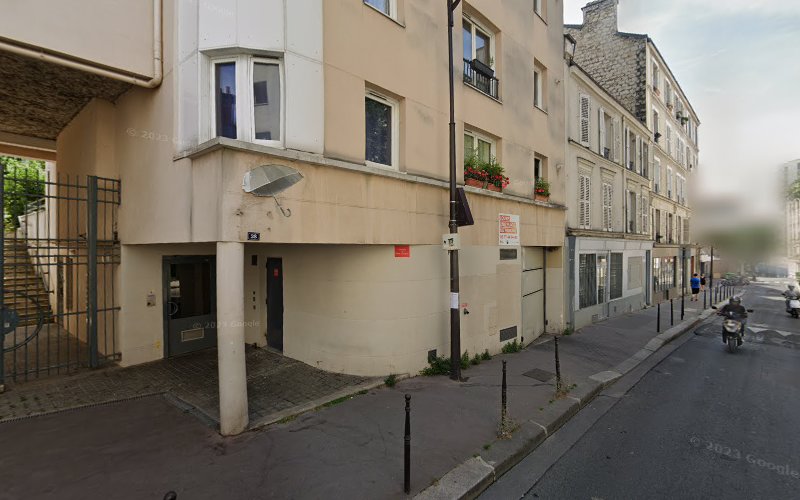
Pavillon de chasse du duc de Guise
101 Rue de Reuilly is a Paris historic landmark located in the 12 arrondissement. Table of ContentsDescriptionKey FeaturesAccessibility and AmenitiesPlanning Your VisitNearby in 12 Description The Pavillon de chasse du duc de Guise is a stunning 18th century chateau located in Paris’s 12th arrondissement. This elegant building was the home of the duke of Guise, […]
101 Rue de Reuilly is a Paris historic landmark located in the 12 arrondissement.
Description
The Pavillon de chasse du duc de Guise is a stunning 18th century chateau located in Paris’s 12th arrondissement. This elegant building was the home of the duke of Guise, the last duke of Lorraine, and was designed by the renowned architect Claude Nicolas Ledoux.
Built in 1794, the Pavillon de chasse du duc de Guise is the epitome of luxury and was constructed to the highest standards. The duke of Guise was an avid art collector, and the chateau boasts some of the most beautiful paintings in the world. It was also the first building in Paris to feature a glass dome, adding to its grandeur and sophistication.
The Pavillon de chasse du duc de Guise was designed to be a place of refuge for the duke, and its peaceful surroundings and stunning architecture make it a must-visit destination for anyone interested in Parisian history and culture. Whether you are an art lover or simply looking to immerse yourself in the city’s rich heritage, the Pavillon de chasse du duc de Guise is an experience not to be missed.
Key Features
The Pavillon de chasse du duc de Guise, located in the 12th arrondissement, is a historic hunting pavilion that showcases the architectural elegance of the Renaissance era. Visitors can explore its well-preserved interiors and learn about its fascinating history, including its connection to the influential Duke of Guise. The pavilion's unique blend of architectural styles and its tranquil surroundings make it a must-see attraction for history and architecture enthusiasts.
Accessibility and Amenities
The museum is equipped with accessibility features to accommodate visitors with disabilities, including wheelchair access and accessible restrooms. Additionally, visitors can take advantage of guided tours, audio guides, and a gift shop offering unique souvenirs.
Planning Your Visit
To avoid crowds, it's best to visit the museum during weekdays and in the morning hours. Visitors typically spend around 1-2 hours exploring the pavilion and its surroundings. A suggested itinerary includes a guided tour of the pavilion followed by a leisurely stroll through the adjacent gardens to fully appreciate the historical and natural beauty of the site.