
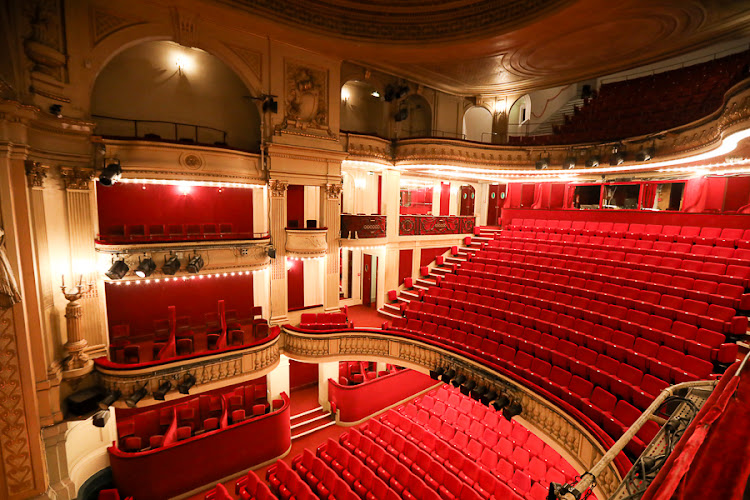
Théâtre de la Gaîté-Montparnasse
Théâtre de la Gaîté-Montparnasse is a Paris Salle De Spectacles landmark located in the 14 arrondissement. Table of ContentsFrom café-concert to avant-garde theaterCafé-concert origins and popular entertainmentEvolution toward legitimate theaterWartime challenges and cultural resilienceContemporary programming and heritage preservationEssential informationEntertainment heritage and cultural evolutionPopular entertainment transformedNearby in 14 From café-concert to avant-garde theater At 26 rue […]
Théâtre de la Gaîté-Montparnasse is a Paris Salle De Spectacles landmark located in the 14 arrondissement.
Table of Contents
- From café-concert to avant-garde theater
- Café-concert origins and popular entertainment
- Evolution toward legitimate theater
- Wartime challenges and cultural resilience
- Contemporary programming and heritage preservation
- Essential information
- Entertainment heritage and cultural evolution
- Popular entertainment transformed
- Nearby in 14
From café-concert to avant-garde theater
At 26 rue de la Gaîté in the vibrant 14th arrondissement, Théâtre de la Gaîté-Montparnasse stands as a fascinating monument to the evolution of Parisian entertainment, where 19th-century café-concert culture transformed into contemporary theatrical excellence. Built in 1868 by limonadier François Jamin using materials from the demolished 1867 Exposition theater, this remarkable venue demonstrates how French entertainment culture adapted from popular music hall traditions to sophisticated dramatic programming while maintaining its essential character as a neighborhood cultural anchor.
Café-concert origins and popular entertainment
The Concert de la Gaîté-Montparnasse opened in September 1868 as a café-concert on the popular rue de la Gaîté, with its entrance at 67 chaussée du Maine. This entertainment format—combining drinking, dining, and live performance—represented the democratization of French entertainment culture, where working-class audiences could access musical and theatrical experiences previously reserved for aristocratic opera houses.
The café-concert tradition welcomed numerous divas and dancers including Yvette Guilbert, Fragson, Dorville, and Polin, who became household names throughout France while establishing the venue’s reputation for discovering and nurturing popular entertainment talent that defined Belle Époque Parisian nightlife.
Evolution toward legitimate theater
Beyond its café-concert success, the theater evolved into a legitimate theatrical venue that presented not only commercial plays but also experimental works from the Independent Theatre movement by the end of the 19th century. This artistic expansion demonstrated how entertainment venues could elevate their cultural mission while maintaining popular accessibility.
The transition from café-concert to theatrical programming reflected broader changes in French cultural taste and the growing sophistication of popular audiences who sought more challenging dramatic experiences while retaining their appreciation for musical entertainment and variety programming.
Wartime challenges and cultural resilience
The 1930s brought decline as café-concert culture lost popularity, but World War II paradoxically revived the music hall format with chansonniers including the famous Fréhel performing until Liberation. This wartime cultural activity demonstrated how entertainment venues could provide essential morale and community gathering during periods of national crisis.
In 1945, Agnès Capri—former student of Charles Dullin and defector from the Jouvet and Pitoëff companies—rented the Gaîté and installed an authentic avant-garde theater, beginning the venue’s contemporary phase as a serious dramatic institution that honored its popular entertainment heritage while embracing artistic innovation.
Contemporary programming and heritage preservation
Today’s 399-seat theater continues serving the Montparnasse community through diverse programming that reflects both its café-concert heritage and its contemporary theatrical mission. The venue’s listing as a Historic Monument on April 3, 1984, recognizes its significance in French entertainment history while ensuring preservation of architectural and cultural heritage.
The theater’s survival and continued vitality demonstrate how entertainment venues can successfully adapt to changing cultural needs while maintaining their essential character as community gathering places that serve both artistic expression and social interaction.
Essential information
- Opening: September 1868
- Founder: François Jamin (limonadier)
- Original format: Café-concert
- Location: 26 rue de la Gaîté, 14th arrondissement
- Capacity: 399 seats
- Heritage status: Historic Monument (April 3, 1984)
- Avant-garde era: 1945 (Agnès Capri)
- Construction materials: Recycled from 1867 Exposition theater
Entertainment heritage and cultural evolution
- Famous performers: Yvette Guilbert, Fragson, Dorville, Polin, Fréhel
- Cultural transitions: Café-concert to legitimate theater to avant-garde
- Artistic movements: Independent Theatre, avant-garde theater
- Wartime programming: Chansonnier performances during occupation
- Contemporary mission: Diverse programming honoring all heritage periods
Popular entertainment transformed
Théâtre de la Gaîté-Montparnasse embodies the remarkable evolution of French popular entertainment from democratic café-concert culture to sophisticated theatrical programming that serves diverse audiences while honoring its working-class origins. This extraordinary venue demonstrates how great entertainment institutions can adapt to changing cultural needs while preserving their essential mission of bringing artistic experiences to broad community audiences. For entertainment history enthusiasts, Montparnasse cultural explorers, or anyone interested in how popular culture evolves while maintaining its democratic character, the Gaîté-Montparnasse offers an inspiring encounter with cultural continuity, where café-concert tradition continues to inform contemporary programming that proves great entertainment venues can honor their popular heritage while achieving artistic sophistication that serves multiple generations of audiences seeking both familiar comfort and innovative surprise.