
Springtime in Paris is one of the best times to see the city. Trees leaf out, café terraces fill up, and long walks between landmarks start to feel like part of the experience rather than time in transit. On my latest spring trip, Paris felt lively without the full pressure of peak summer, which made it easier to mix the big sights with slower mornings, long lunches, and unplanned detours.
If you are planning a visit between March and May, expect cool mornings, mild afternoons, and the occasional shower. That mix is part of the appeal. One day can start with a museum, drift into lunch on a terrace, and end with the Eiffel Tower glowing over the Seine. Spring does not just make Paris look better. It makes the city easier to enjoy on foot.
Table of Contents
Arriving in Paris in Spring
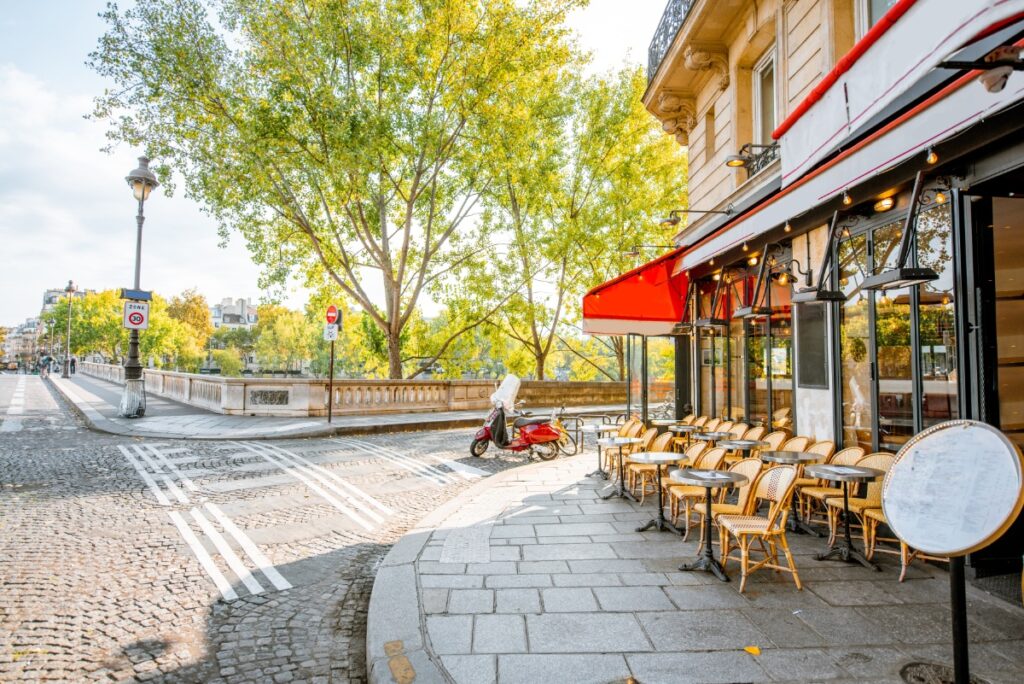
I landed at Paris-Charles de Gaulle Airport with the usual mix of jet lag and excitement, then took the train into the city and checked into a small hotel in the Marais. It was a smart base for a spring trip. The neighborhood is compact, walkable, and full of places that reward wandering, from independent shops and galleries to bakeries that make it easy to stop for a croissant and reset the day.
The first thing that stood out was the pace. Spring in Paris feels active, but not frantic. Side streets are busy without being jammed, terrace tables start filling early, and even a simple coffee stop feels like part of the plan. That made the Marais a great place to begin: central enough for sightseeing, but interesting enough to enjoy without an agenda.
Exploring Paris Landmarks in Spring
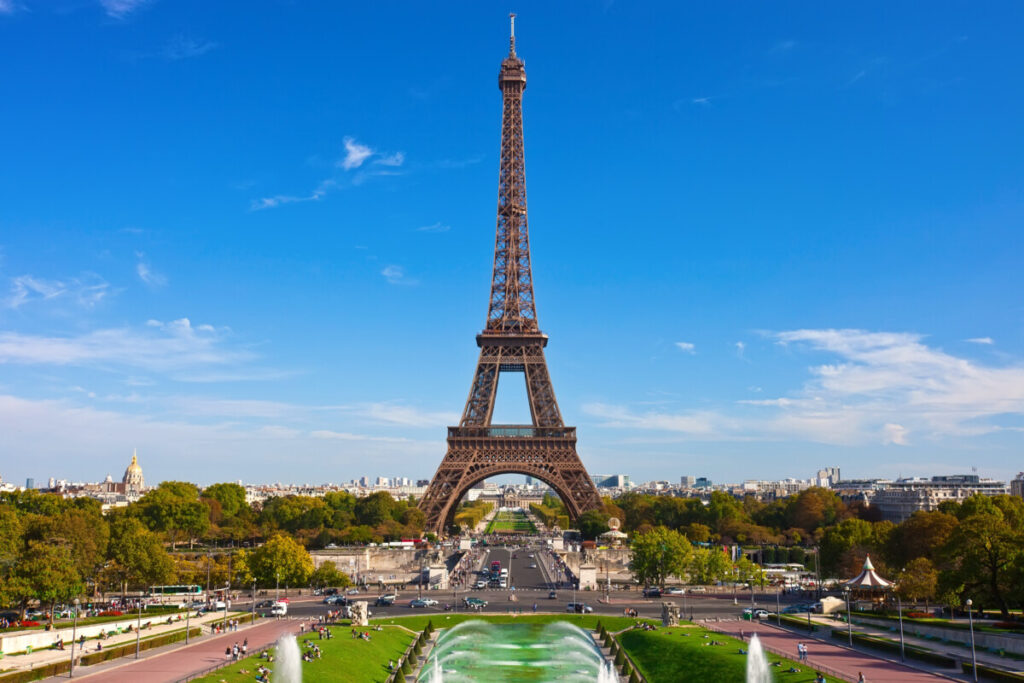
On my first full day, I started with a walk along the Seine. Spring is ideal for this part of Paris because the weather is usually comfortable enough to stay outside for hours without feeling worn down. The city opens up differently when you move between neighborhoods on foot, especially in softer light and cooler temperatures.
I made time for the classics, including a guided Notre-Dame interior tour, an Eiffel Tower entry ticket with optional summit access, and a Louvre Museum highlights tour. The big advantage of visiting these sights in spring is that the time between them still feels rewarding. Even when lines build up, you are walking through one of the best urban backdrops in Europe. I also paused in Montmartre and took in the city from above near Sacré-Cœur, which remains one of the easiest ways to reset after a busy sightseeing day. This Sacré-Cœur and Montmartre guided tour is a good option if you want more context while you explore.
A practical note: spring is a good season for landmark-hopping, but timed entry still matters. Paris may feel calmer than in July or August, yet the marquee attractions stay busy. Booking ahead gives you more room to enjoy the city between stops instead of rushing from queue to queue.
What to Eat in Paris in Spring

Paris is always a food city, but spring adds a seasonal edge that makes meals feel fresher and lighter. I still found room for classics like French onion soup and rich éclairs, especially on cooler days, but spring menus also leaned into asparagus, peas, strawberries, and simple plates that worked well with a glass of wine on a terrace.
One of my favorite meals was dinner above the city, with a skyline view and enough daylight left to watch Paris shift from late afternoon into evening. This is where the season really helps: you can linger longer without overheating or racing indoors. For that kind of experience, start with this roundup of the best rooftop bars in Paris. It is a strong starting point for drinks with a view, especially when the weather is working in your favor.
See Related: Paris sightseeing tips for planning your route and timing
Hidden Gems That Feel Better in Spring

While the headline attractions are worth your time, spring in Paris gets even better once you step away from the busiest routes. One of my favorite breaks from central sightseeing was Parc des Buttes-Chaumont, a park that feels more dramatic than most city green spaces. Between the cliffs, the lake, the suspension bridge, and the Temple de la Sibylle perched above it all, it has the kind of scenery that makes you slow down without trying.
It was also a great place for a spring picnic. I picked up a few deli items earlier in the day, found a quiet patch of grass, and had one of those simple travel moments that sticks longer than a rushed museum circuit. Parks like this are a reminder that not every highlight in Paris needs a ticket or a line.
Evenings in Paris in Spring
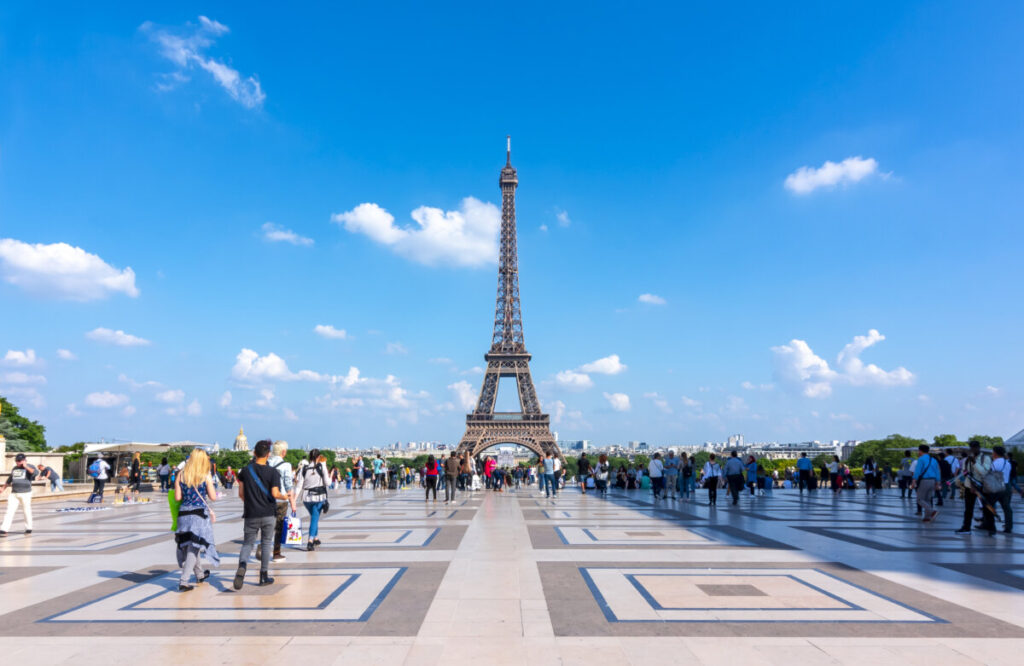
Spring evenings are one of the strongest arguments for visiting Paris at this time of year. Daylight stretches later, the temperature stays comfortable, and the city feels more relaxed once offices empty out and everyone seems to spill outside. I found myself walking more at night in spring than I usually do in other seasons, simply because the conditions made it easy to keep going.
Some nights ended with the lights of the Eiffel Tower, while others drifted toward the hills of Montmartre and the side streets around it. This Montmartre neighborhood tour is a solid pick if you want a more structured evening plan. I also spent time in small wine bars, which felt especially good in spring when you can start outside, stay later than expected, and never feel rushed back to your hotel.
What to Pack for Paris in Spring
- A light jacket or trench: mornings and evenings can still feel cool, even when afternoons are mild.
- Comfortable walking shoes: spring is a season for covering ground, and Paris rewards anyone willing to walk.
- A compact umbrella: short rain showers are common enough that it is worth carrying one.
- Layers: a sweater or overshirt makes it easier to adjust as the weather shifts through the day.
- A reservation plan: not technically something you pack, but spring is popular enough that booking your top sights and a few meals ahead makes a real difference.
Final Thoughts: Is Spring the Best Time to Visit Paris?
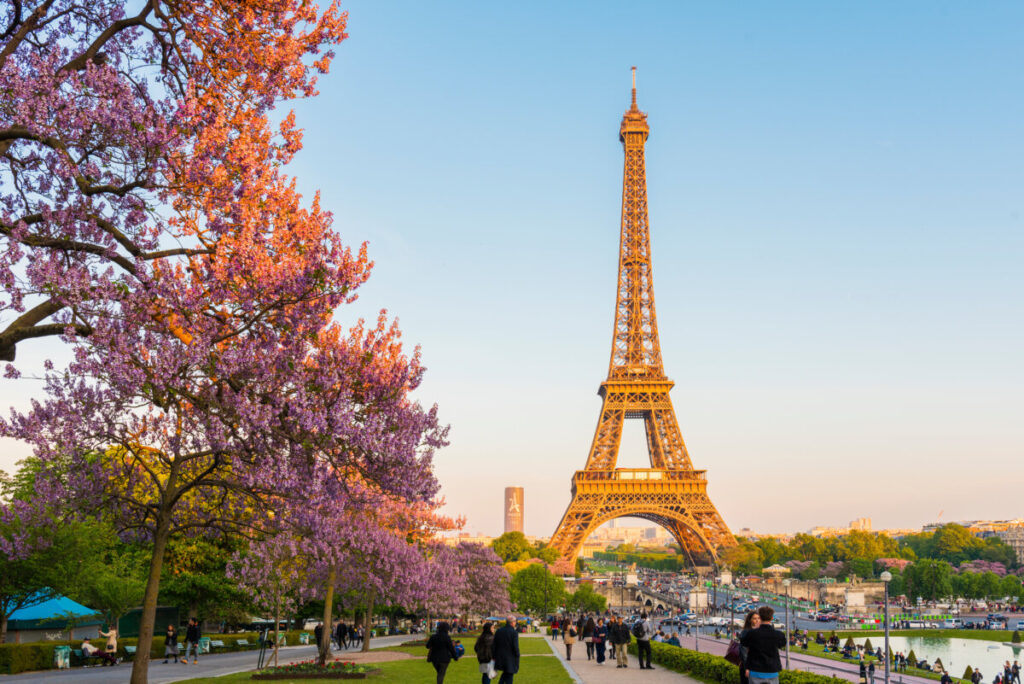
For me, the answer is yes. Spring in Paris hits a sweet spot between good weather, long walking days, manageable energy, and a city that feels fully awake again after winter. You can still do the bucket-list attractions, but the season also gives you room to enjoy the quieter parts of the trip: a park bench, a bakery stop, a late golden hour, or a neighborhood you had not planned to explore.
If you are thinking about booking a trip, spring is an easy season to recommend. Build in time for the landmarks, but leave room for detours too. Paris is at its best when you let the day breathe a little. For more ideas, start with our guide to the best things to do in Paris and use it to shape the rest of your itinerary.