
<\!-- wp:heading -->
Stephen of Lexington\u2019s 13th-century Cistercian masterpiece reborn as a cultural beacon
<\!-- /wp:heading --><\!-- wp:paragraph -->
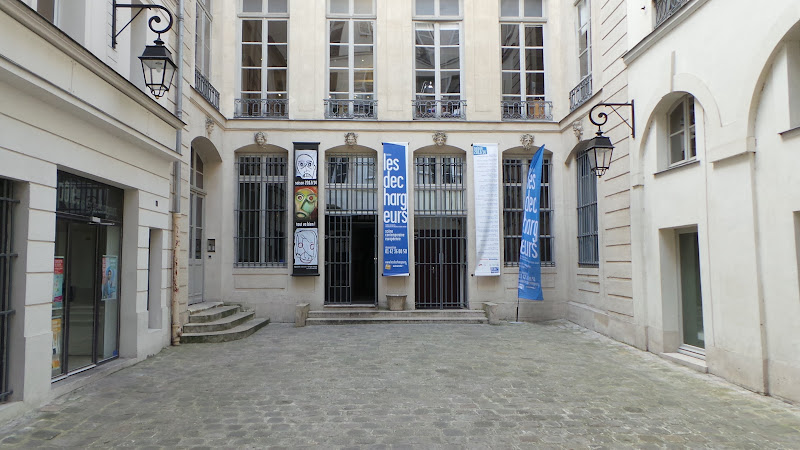
At 20 rue de Poissy in the 5th arrondissement, the Collège des Bernardins stands as one of Paris\u2019s oldest and most remarkable medieval buildings, representing eight centuries of continuous educational and spiritual mission. Founded in 1248 by Stephen of Lexington, an English Cistercian abbot of Clairvaux, this imposing Gothic structure was conceived as a residence and study center for Cistercian monks attending the University of Paris, creating one of medieval Europeu2019s most significant centers of monastic learning.
<\!-- /wp:paragraph --><\!-- wp:paragraph -->
The college\u2019s transformation from swampy wasteland purchased from the Abbey of Saint-Victor to magnificent Gothic architecture demonstrates the Cistercian order\u2019s commitment to education and their understanding of how inspiring physical environments could enhance spiritual and intellectual development. This vision established architectural and educational precedents that influenced monastic colleges throughout medieval Europe.
<\!-- /wp:paragraph --><\!-- wp:heading {"level":3} -->
Exceptional Gothic architecture and Cistercian craftsmanship
<\!-- /wp:heading --><\!-- wp:paragraph -->
The building\u2019s 70-meter nave represents an exceptional example of Cistercian Gothic architecture, featuring pointed arched windows and structural elements that demonstrate the order\u2019s sophisticated understanding of both aesthetic beauty and practical construction techniques. The imposing Gothic design creates sacred spaces that facilitate contemplation while showcasing the technical mastery that characterized the finest medieval religious architecture.
<\!-- /wp:paragraph --><\!-- wp:paragraph -->
The preservation of original Gothic elements through centuries of varied uses—from monastery through prison, fire station, and police headquarters to contemporary cultural center—demonstrates the exceptional quality of 13th-century Cistercian construction and the enduring appeal of Gothic architectural principles.
<\!-- /wp:paragraph --><\!-- wp:heading {"level":3} -->
Five centuries of monastic education
<\!-- /wp:heading --><\!-- wp:paragraph -->
For five centuries until the French Revolution, the Collège des Bernardins served its original educational mission, providing Cistercian monks with access to University of Paris learning while maintaining the monastic discipline and spiritual focus that characterized Cistercian educational philosophy. This lengthy operational period demonstrates the stability and effectiveness of medieval educational institutions when guided by clear spiritual and intellectual purposes.
<\!-- /wp:paragraph --><\!-- wp:paragraph -->
The college\u2019s role in training scholarly monks who would return to monasteries throughout Europe to teach and lead created networks of educated religious leaders who influenced European intellectual development during crucial periods of cultural and theological evolution.
<\!-- /wp:paragraph --><\!-- wp:heading {"level":3} -->
Secular transformations and adaptive reuse
<\!-- /wp:heading --><\!-- wp:paragraph -->
Following the Revolution\u2019s dismantling of ecclesiastical educational institutions, the building served various secular purposes including prison, fire station, and police headquarters, demonstrating how medieval religious architecture could adapt to serve changing social needs while maintaining structural integrity and essential character.
<\!-- /wp:paragraph --><\!-- wp:parameter --><\!-- wp:paragraph -->
These varied uses during the building\u2019s secular period reflect broader French approaches to repurposing religious architecture for public service while preserving architectural heritage that embodies important cultural and historical values.
<\!-- /wp:paragraph --><\!-- wp:heading {"level":3} -->
Contemporary cultural renaissance
<\!-- /wp:heading --><\!-- wp:parameter --><\!-- wp:paragraph -->
The building\u2019s restoration and reopening in 2008 as a contemporary cultural and educational center represents a remarkable renaissance that honors both medieval heritage and contemporary cultural needs. The Catholic diocese\u2019s reclamation of the space for spiritual and philosophical guidance, combined with programming that includes research, contemporary art exhibitions, performances, and public debates, creates a unique synthesis of ancient and modern missions.
<\!-- /wp:paragraph --><\!-- wp:parameter --><\!-- wp:paragraph -->
This cultural programming demonstrates how medieval religious architecture can serve contemporary educational and cultural functions while maintaining connections to spiritual tradition and philosophical inquiry that motivated the original Cistercian educational vision.
<\!-- /wp:paragraph --><\!-- wp:heading {"level":3} -->
Free public access and democratic cultural mission
<\!-- /wp:heading --><\!-- wp:parameter --><\!-- wp:paragraph -->
The college\u2019s commitment to free public access reflects contemporary understanding of cultural heritage as public good rather than exclusive institutional property, ensuring that Stephen of Lexington\u2019s 13th-century architectural achievement continues to serve educational and cultural purposes for diverse audiences.
<\!-- /wp:paragraph --><\!-- wp:parameter --><\!-- wp:paragraph -->
For visitors to Paris interested in medieval architecture, Cistercian heritage, or contemporary cultural programming, the Collège des Bernardins offers an exceptional encounter with authentic Gothic monastic architecture that continues to serve its essential educational mission while adapting to meet contemporary cultural and spiritual needs. The college demonstrates that great religious architecture achieves lasting significance by maintaining its capacity to inspire and educate across centuries of social change while preserving the contemplative atmosphere essential for both spiritual and intellectual development.
<\!-- /wp:paragraph -->