
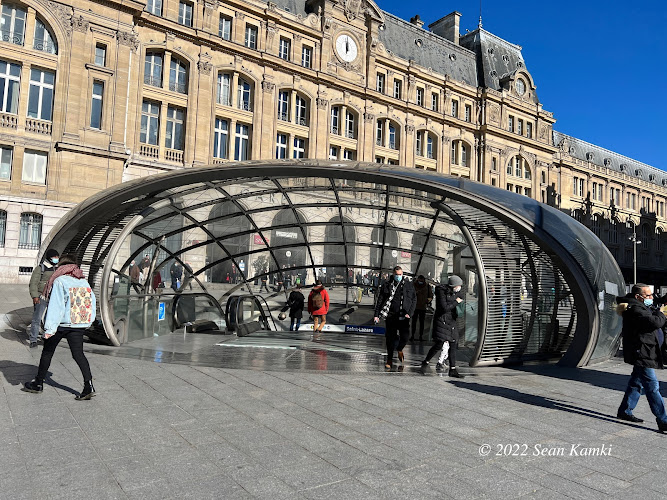
Description
The Édicule Guimard of the Saint-Lazare station, Rue de Rome in Paris, France is a historical and architectural landmark. Designed by the architects Édouard Guimard and Émile Louis Laugier, and built in 1894, it is one of the most important examples of the Art Nouveau architectural style. The Édicule Guimard of the Saint-Lazare station is located in the 8th arrondissement of Paris, France and is a must-visit destination for anyone interested in the history and architecture of Paris.
Key Features
The Édicule Guimard of the Saint-Lazare station is a remarkable example of Art Nouveau architecture, designed by Hector Guimard. Its distinctive floral and organic motifs make it a must-see for architecture enthusiasts and art lovers. The monument holds historical significance as it represents the innovative design style of the early 20th century.
Accessibility and Amenities
The museum is equipped with accessibility features to accommodate visitors with disabilities, including wheelchair access and facilities. Amenities include restrooms, and visitors can avail themselves of audio guides to enhance their experience. Additionally, the museum offers a gift shop where visitors can find unique souvenirs related to Art Nouveau and the monument itself.
Planning Your Visit
To avoid crowds, it is recommended to visit the monument during off-peak hours, typically early morning or late afternoon. Visitors usually spend around 1-2 hours exploring the monument and its surroundings. A suggested itinerary includes exploring the Art Nouveau architectural details of the monument, followed by a leisurely stroll through the surrounding neighborhood to appreciate other Art Nouveau structures in the area.