
Where Universal Exhibition steel became Olympic dreams
Standing at 87 avenue Jean-Jaurès in the heart of the 19th arrondissement, the Gymnase Jean-Jaurès represents one of the most fascinating examples of architectural recycling in Paris. This historic gymnasium, built from the metal framework of the 1878 Universal Exhibition, has been nurturing athletic excellence for over 135 years, evolving from a municipal shooting and gymnastics facility into one of Paris’s most respected boxing venues.
Born from the glory of the Universal Exhibition
The story of the Gymnase Jean-Jaurès begins with the splendor of the 1878 Exposition Universelle, where the metal frames that would later support the gymnasium first dazzled visitors as part of the great machine gallery. When the exhibition concluded, rather than allowing these impressive iron structures to be discarded, the visionary architect Ernest Moreau recognized their potential for creating a modern sports facility.
Originally named the “gymnase d’Allemagne” (Germany Gymnasium) when constructed in 1888, the building was designed to serve municipal schools by providing modern facilities for shooting and gymnastics instruction. The innovative use of exhibition materials reflected the Third Republic’s commitment to public education and physical fitness, demonstrating how cultural events could leave lasting benefits for ordinary citizens.
Engineering excellence from Henri de Dion
The metal framework, engineered by Henri de Dion and installed by the prestigious company Moisant-Laurent et Savey, represented cutting-edge construction technology of its era. These iron and steel structures, originally designed to showcase industrial machinery, proved perfectly suited for creating the large, unobstructed interior spaces necessary for athletic activities.
The adaptation of exhibition architecture for educational use exemplified the period’s belief in the adaptability of modern materials and engineering techniques. The soaring interior, with its exposed metal framework, created an inspiring environment that elevated physical education from mundane exercise to something approaching art.
Expansion and architectural maturation
Between 1913 and 1914, architect Charles Gautier oversaw a significant expansion that transformed the facility into the complex we recognize today. Gautier’s design surrounded the preserved metal hall with complementary buildings, creating a cohesive architectural ensemble dominated by an elegant flag-bearing campanile that announced the building’s civic importance.
This expansion reflected the growing recognition of sports and physical education in French society, as well as the specific needs of the working-class communities in the 19th arrondissement. The additional buildings provided changing rooms, administrative spaces, and specialized facilities that made the gymnasium a complete athletic center rather than just an exercise hall.
Historic recognition and preservation
The architectural and historical significance of the Gymnase Jean-Jaurès received official recognition on November 15, 1994, when its facades, roofs, and the original metal hall were listed as historic monuments. This designation acknowledged both the building’s unique construction history and its continuing role in serving the community.
The preservation status ensures that future generations will be able to appreciate how 19th-century ingenuity and 20th-century expansion created a facility that remains functional and inspiring more than a century after its construction.
Boxing heritage and champion making
While the gymnasium originally focused on shooting and gymnastics, it has become particularly renowned for its boxing programs. Today, the facility hosts training in multiple combat sports through respected organizations like APEES (Association de Prévention d’Education et d’Epanouissement par le Sport) and AMSPE (Amicale Manin Sport Paris-Est).
The boxing room, where countless fighters have honed their skills, carries on the French tradition of “savate” (French boxing) while also training practitioners in English boxing and Thai boxing. The historic metal framework that once displayed industrial machinery now echoes with the sounds of training—the rhythmic striking of heavy bags, the shuffle of feet on canvas, and the encouragement of coaches nurturing the next generation of champions.
Modern athletic diversity
Beyond its boxing heritage, the Gymnase Jean-Jaurès serves as a complete community sports center, offering facilities for a wide range of activities:
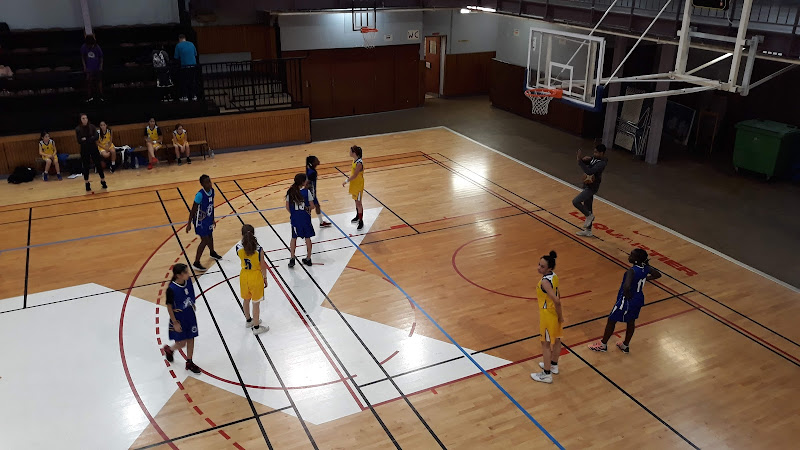
- A multipurpose sports hall (30m x 20m) with parquet flooring for basketball, volleyball, and badminton
- A dedicated dojo for martial arts including aikido and judo
- Specialized boxing facilities for training and competition
- Programs for capoeira, rhythmic gymnastics, and youth sports development
This diversity ensures that the gymnasium serves all members of the community, from children taking their first steps in sport to serious athletes pursuing excellence.
Essential information
- Original construction: 1888 (as gymnase d’Allemagne)
- Architect: Ernest Moreau (original), Charles Gautier (1913-1914 expansion)
- Historic materials: Metal framework from 1878 Universal Exhibition
- Engineer: Henri de Dion (metal framework)
- Heritage status: Listed historic monument (November 15, 1994)
- Location: 87 avenue Jean-Jaurès, 19th arrondissement
Sports programs
- Boxing: English boxing, French boxing (savate), Thai boxing
- Martial arts: Aikido, judo, capoeira
- Team sports: Basketball, volleyball, badminton
- Specialty programs: Rhythmic gymnastics, youth development
- Organizations: APEES, AMSPE
Living legacy
The Gymnase Jean-Jaurès embodies the successful transformation of industrial heritage into community service. From Universal Exhibition showcase to local athletic center, it demonstrates how visionary architecture and adaptive reuse can create lasting value for generations. The building’s continued vitality—training champions, serving youth, and building community—proves that the best monuments are those that remain alive with purpose, where the echoes of the past inspire the achievements of the future.