
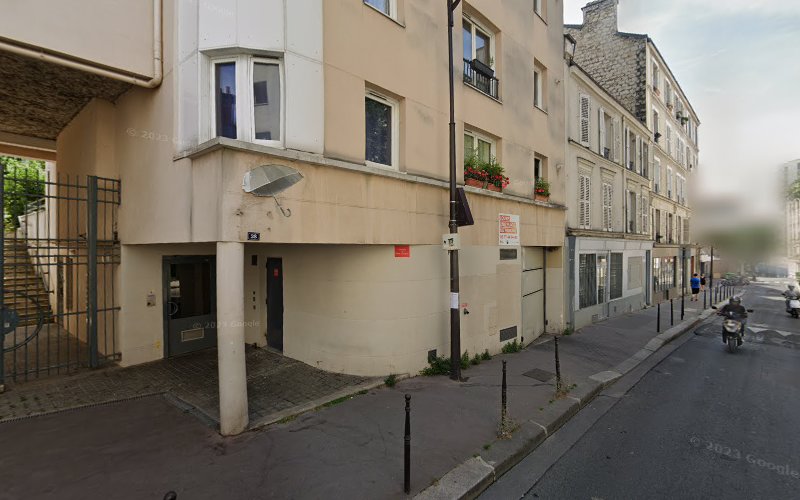
Guimard’s residential ensemble where Art Nouveau transformed apartment living
At 8-10 rue Agar, 43 rue Gros, and 17-21 rue La Fontaine in the 16th arrondissement, Immeubles Agar stand as Hector Guimard’s 1911 residential masterpiece, where seven apartment buildings commissioned by the Société immobilière de la rue Moderne demonstrate how Art Nouveau philosophy could serve practical urban housing development through design innovation that created distinctive residential environments serving sophisticated Parisian residents. This extraordinary ensemble proves how comprehensive architectural vision can transform entire neighborhood character through coordinated building design that maintains both individual architectural distinction and collective aesthetic coherence, creating residential developments that serve both immediate housing needs and long-term architectural influence through construction that honors both practical residential requirements and innovative decorative arts excellence worthy of Historical Monument protection.
Fonderies Saint-Dizier collaboration and industrial artistry
Rue Moderne transformation and neighborhood identity
Café Antoine preservation and interior decoration
Contemporary Art Nouveau appreciation and architectural tourism
Essential information
- Architect: Hector Guimard (Art Nouveau master)
- Construction: 1911
- Commission: Société immobilière de la rue Moderne
- Location: 8-10 rue Agar, 43 rue Gros, 17-21 rue La Fontaine
- Building count: Seven apartment buildings (six floors plus eaves)
- Metalwork: Fonderies de Saint-Dizier cast elements
- Historic protection: Facades and roofs (1975), Café Antoine interior (2006)
- Street naming: Rue Agar honoring Marie-Léonide Charvin (1912)
Architectural and cultural significance
- Art Nouveau excellence: Typical 1900s curves and decorative elements
- Industrial collaboration: Architect-foundry partnership for cast elements
- Interior preservation: Café Antoine decorative elements protected
- Neighborhood identity: Street naming connecting architecture to theatrical heritage
- Tourism significance: Part of 16th arrondissement Art Nouveau circuit
Comprehensive residential Art Nouveau creates neighborhood cultural identity
Immeubles Agar embody the extraordinary achievement of systematic Art Nouveau residential development that transformed entire neighborhood character through Hector Guimard’s coordinated architectural vision that proved decorative excellence could serve practical urban housing while creating cultural landmarks worthy of historical monument protection and ongoing architectural tourism appreciation, where seven buildings demonstrate how comprehensive design planning can achieve both individual residential distinction and collective neighborhood identity through Art Nouveau innovation that serves both immediate housing provision and long-term cultural heritage creation. This remarkable ensemble demonstrates how exceptional residential architecture emerges when innovative decorative design meets practical urban development requirements, creating living environments that serve both family comfort and cultural education through buildings that honor both individual architectural achievement and collective Art Nouveau movement legacy. For Art Nouveau enthusiasts, residential architecture admirers, or anyone interested in how decorative excellence can enhance urban living environments, this multi-building masterpiece offers an unparalleled encounter with comprehensive architectural planning, where coordinated facade design and industrial collaboration demonstrate the systematic approach required to create residential developments that maintain both aesthetic innovation and practical functionality, proving that the finest residential architecture achieves lasting significance through ongoing residential service that honors both architectural heritage and contemporary living requirements within neighborhood contexts that continue inspiring architectural appreciation and cultural tourism through preserved examples of Art Nouveau residential excellence serving both immediate aesthetic pleasure and long-term architectural education about innovative decorative approaches that transformed early 20th-century Parisian residential development.