
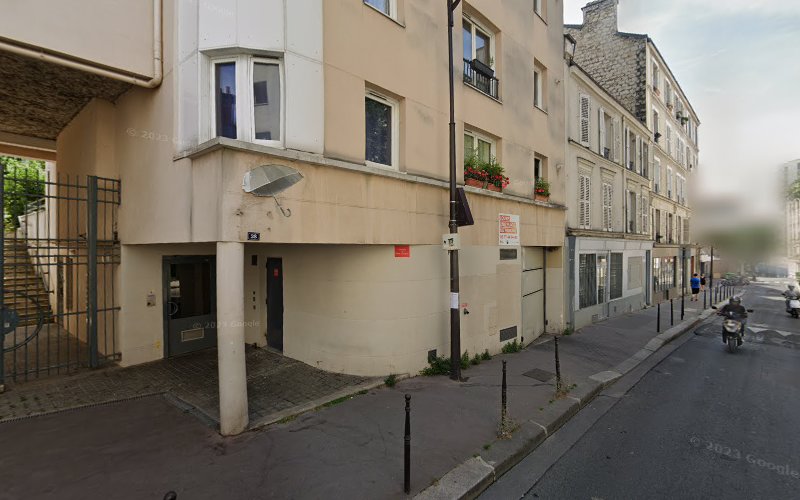
Maison-atelier des sculpteurs Martel
10 Rue Mallet-Stevens is a Paris historic landmark located in the 16 arrondissement. Mallet-Stevens masterpiece where twin sculptors revolutionized Art Deco creation At 10 rue Mallet-Stevens in the 16th arrondissement, the Maison-atelier des sculpteurs Martel stands as Robert Mallet-Stevens’ 1926-1927 architectural triumph, designed for twin sculptor brothers Jan and Joël Martel who collaborated regularly with […]
10 Rue Mallet-Stevens is a Paris historic landmark located in the 16 arrondissement.
Mallet-Stevens masterpiece where twin sculptors revolutionized Art Deco creation
At 10 rue Mallet-Stevens in the 16th arrondissement, the Maison-atelier des sculpteurs Martel stands as Robert Mallet-Stevens’ 1926-1927 architectural triumph, designed for twin sculptor brothers Jan and Joël Martel who collaborated regularly with the architect to create this revolutionary workshop-residence that integrates three-level sculpture production facilities with residential apartments on a compact 12×18-meter plot. This extraordinary building demonstrates how architect-artist collaboration can generate innovative solutions that serve both practical creative work requirements and sophisticated living needs through design that honors both functional efficiency and aesthetic excellence within urban contexts that require comprehensive cultural programming integrated into residential architecture.
Functional innovation and production integration
Art Deco craftsmanship and collaborative excellence
Rue Mallet-Stevens context and architectural preservation
Contemporary gallery and ongoing artistic mission
Essential information
- Residents/Artists: Jan and Joël Martel (twin sculptors, 1896-1966)
- Architect: Robert Mallet-Stevens
- Construction: 1926-1927
- Location: 10 rue Mallet-Stevens, 16th arrondissement
- Plot size: 12×18 meters
- Artistic movements: Art Deco and Cubist sculpture
- Historic status: Monument historique (December 11, 1990)
- Current use: Galerie 54 (20th-century design and decoration)
Architectural and artistic significance
- Workshop innovation: Three-level sculpture production with integrated living spaces
- Material handling: Large sliding doors for stone and sculpture transport
- Artistic collaboration: Louis Barillet stained glass, Jean Prouvé metalwork
- Preservation excellence: Only rue Mallet-Stevens house maintaining original layout
- Contemporary mission: Gallery specializing in modernist design heritage
Architect-sculptor collaboration creates modernist workshop paradise
The Maison-atelier des sculpteurs Martel embodies the extraordinary success of architect-artist collaboration when Robert Mallet-Stevens’ modernist vision met Jan and Joël Martel’s sculpture production requirements to create revolutionary workshop-residence integration that served both practical artistic creation and sophisticated living within unified architectural design that proved comprehensive planning could accommodate diverse functional needs while achieving aesthetic excellence worthy of Historic Monument recognition and ongoing cultural programming. This remarkable building demonstrates how exceptional modernist architecture emerges when innovative design solutions serve specific creative requirements while contributing to broader neighborhood cultural identity through residential architecture that transcends individual family needs to become cultural institutions serving ongoing artistic inspiration and preservation of modernist design excellence. For Art Deco enthusiasts, sculptor workshop admirers, or anyone interested in how architect-artist collaboration can generate innovative residential solutions, this rue Mallet-Stevens masterpiece offers an unparalleled encounter with creative integration excellence, where three-level production facilities and Louis Barillet stained glass demonstrate the sophisticated coordination required to create environments that serve both immediate artistic productivity and long-term cultural heritage preservation through buildings that honor both individual creative achievement and collective modernist architectural legacy within contemporary gallery contexts that continue serving artistic mission while maintaining both residential scale and professional presentation capabilities that prove exceptional creative spaces achieve immortality through ongoing cultural service rather than mere historical preservation of original artistic function.