
Royal tribute to Chancellor whose humility shaped Auteuil village heritage
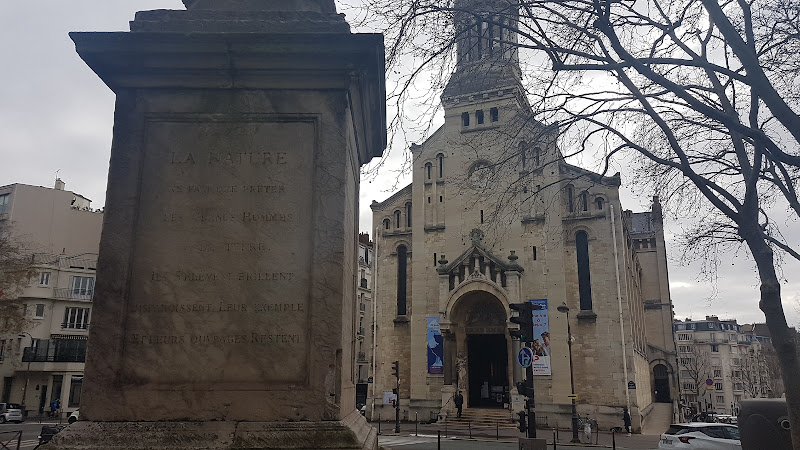
At Place de l’Église-d’Auteuil in the 16th arrondissement, the Monument d’Aguesseau stands as a red porphyry obelisk erected in 1753 by Louis XV to honor Chancellor Henri François d’Aguesseau, where royal tribute met humble burial choices that created one of Paris’s most poignant commemorative monuments. Originally crowned with golden globe and weather vane before cross replacement, this extraordinary obelisk demonstrates how exceptional public service can inspire royal recognition while maintaining the modesty that characterized d’Aguesseau’s career as one of France’s most respected legal reformers, proving that authentic governmental excellence generates lasting commemoration that transcends political periods to serve ongoing inspiration for public service dedication.
Chancellor excellence and royal recognition
Humble burial choice and village integration
Revolutionary survival and Consulate restoration
Contemporary heritage and urban transformation
Essential information
- Honoree: Henri François d’Aguesseau (Chancellor of France)
- Royal commission: Louis XV (1753)
- Materials: Red porphyry obelisk on marble base
- Location: Place de l’Église-d’Auteuil, 16th arrondissement
- Original crown: Golden globe and weather vane (replaced by cross)
- Revolutionary damage: Desecrated during Terror
- Restoration: Consul Lebrun order, rebuilt 1800-1802
- Historic protection: Monument historique (April 6, 1929)
Historical and cultural significance
- Burial humility: Chancellor and wife chose poor cemetery over prestigious sites
- Village heritage: Last remnant of original Auteuil church and cemetery
- Political continuity: Recognition across monarchy, revolution, and consulate
- Community preservation: Local mayor protected remains during Revolution
- Urban survival: Monument persistence through village-to-arrondissement transformation
Humble excellence achieves royal tribute and revolutionary survival
Monument d’Aguesseau embodies the extraordinary principle that authentic public service excellence can inspire lasting royal tribute while maintaining the humility that generates popular respect transcending political upheaval, where Chancellor Henri François d’Aguesseau’s legal reform achievements earned Louis XV’s personal monument commission while the family’s choice to rest “among the poor” demonstrated moral character that enabled monument survival through Revolutionary destruction and Consulate restoration. This remarkable obelisk proves that exceptional governmental service can achieve both elite recognition and popular affection when public office serves national rather than personal interests, creating commemorative monuments that document the possibility of achieving professional distinction while maintaining moral integrity and community connection through service that honors both individual excellence and collective welfare. For French legal history enthusiasts, public service admirers, or anyone interested in how authentic governmental excellence can achieve lasting commemoration, this Place de l’Église-d’Auteuil monument offers a poignant encounter with humble greatness, where red porphyry and marble commemoration within former village cemetery context demonstrates how genuine public service transcends political fashion to inspire ongoing appreciation for the moral character and professional competence required for effective democratic governance, proving that the finest commemorative monuments honor individuals whose achievements serve continuing inspiration for civic virtue and public service dedication that benefits communities through leadership excellence that maintains both governmental effectiveness and ethical integrity worthy of lasting community appreciation across changing political contexts requiring ongoing examples of authentic public service commitment.