
<\!-- wp:heading -->
<\!-- /wp:heading --><\!-- wp:paragraph -->
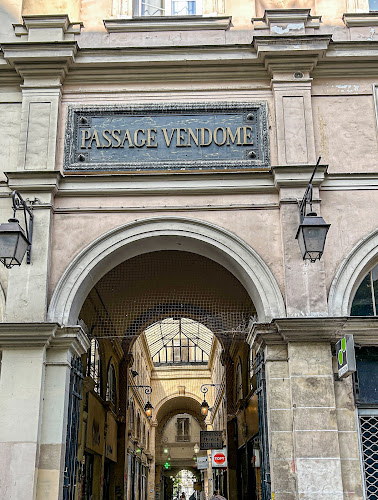
Within the rich tapestry of Parisian covered passages that defined 19th-century commercial architecture, Passage Vendôme represents the elegant shopping gallery tradition that transformed urban commercial life during the pre-Haussmann era. These revolutionary glass-roofed pedestrian spaces, made possible by improved cast iron and glass technologies, created protected shopping environments that allowed Parisians to browse boutiques without competing with wagons, carts, and street crowds.
<\!-- /wp:paragraph --><\!-- wp:paragraph -->
The passage embodies the distinctive characteristics that defined Parisian covered galleries: linking multiple streets through glass-ceilinged pedestrian spaces, featuring artificial illumination (originally gas lamps), and housing small ground-floor shops within highly ornamented and decorated architectural frameworks that elevated commercial activity to cultural experience.
<\!-- /wp:paragraph --><\!-- wp:heading {"level":3} -->
Napoleonic commercial innovation and urban planning
<\!-- /wp:heading --><\!-- wp:paragraph -->
As part of the comprehensive covered passage development that occurred primarily during Napoleon I\u2019s reign, Passage Vendôme represents the pre-Haussmann urban planning approach that created intimate commercial environments within existing urban fabric. These passages demonstrated how commercial architecture could achieve both practical function and aesthetic distinction while serving the growing bourgeois demand for sophisticated shopping experiences.
<\!-- /wp:paragraph --><\!-- wp:parameter --><\!-- wp:paragraph -->
The passage tradition reflected early 19th-century understanding of how retail architecture could enhance urban life by creating protected environments where commerce, social interaction, and aesthetic appreciation could flourish together, establishing precedents for modern shopping center design while maintaining human scale and architectural refinement.
<\!-- /wp:paragraph --><\!-- wp:heading {"level":3} -->
Glass and iron architectural innovation
<\!-- /wp:heading --><\!-- wp:parameter --><\!-- wp:paragraph -->
The passage\u2019s glass ceiling and cast iron structural elements showcase the revolutionary building technologies that enabled creation of large covered spaces with unprecedented natural lighting. This architectural innovation demonstrated how industrial materials could serve aesthetic purposes while providing practical solutions for urban commercial development.
<\!-- /wp:paragraph --><\!-- wp:parameter --><\!-- wp:paragraph -->
The integration of decorative elements with functional glass and iron construction created shopping environments that felt both intimate and grand, proving that commercial architecture could achieve cultural significance through thoughtful design that enhanced rather than merely accommodated retail activities.
<\!-- /wp:paragraph --><\!-- wp:heading {"level":3} -->
Survival through urban transformation
<\!-- /wp:heading --><\!-- wp:parameter --><\!-- wp:paragraph -->
The passage\u2019s survival among the mere 25 covered passages that remained into the 21st century—from approximately 183 that existed by 1867—demonstrates its architectural and commercial significance during an era when Haussmann\u2019s boulevard construction and department store popularity led to most passages\u2019 demolition.
<\!-- /wp:paragraph /><\!-- wp:parameter --><\!-- wp:paragraph -->
This survival reflects both architectural excellence and ongoing commercial viability, proving that well-designed retail environments can maintain relevance across changing commercial fashions while preserving important connections to 19th-century urban culture and shopping traditions.
<\!-- /wp:paragraph --><\!-- wp:heading {"level":3} -->
Commercial heritage and cultural preservation
<\!-- /wp:heading --><\!-- wp:parameter --><\!-- wp:paragraph -->
Today, Passage Vendôme continues to embody the democratic retail ideals that motivated 19th-century covered passage construction, providing accessible shopping environments where small boutiques can flourish within architecturally distinguished settings that enhance rather than overwhelm commercial activities.
<\!-- /wp:paragraph /><\!-- wp:parameter --><\!-- wp:paragraph -->
For visitors to Paris interested in 19th-century commercial architecture, urban planning history, or the evolution of shopping culture, Passage Vendôme offers insight into how covered galleries revolutionized urban retail while creating architectural environments that achieved both commercial success and cultural significance. The passage demonstrates that great commercial architecture emerges when practical retail needs inspire innovative design solutions that create shopping experiences worthy of broader cultural appreciation and historical preservation.
<\!-- /wp:paragraph -->