
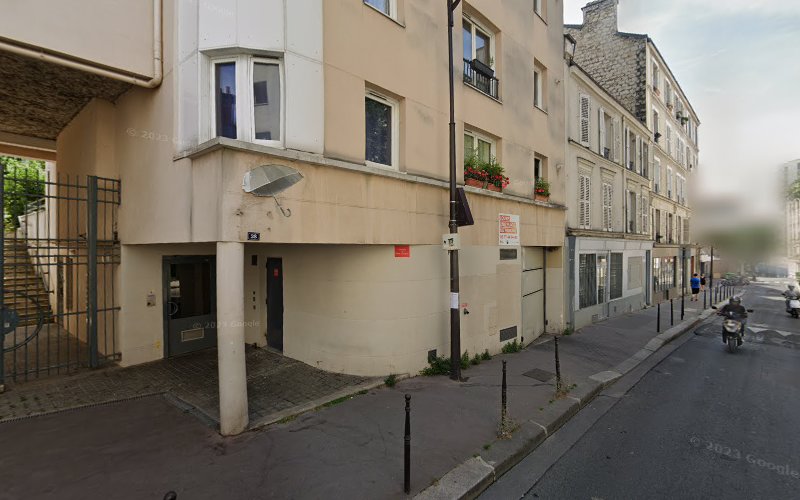
20 Rue le Brun is a Paris historic landmark located in the 13 arrondissement.
Description
The Pavillon Jean de Julienne is a private building located in the 13th arrondissement of Paris. This historic building is made of marble and has an impressive exterior that will leave you in awe. The Pavillon Jean de Julienne is one of the most famous buildings in Europe and is part of the city’s rich history.
Over the years, the Pavillon Jean de Julienne has been used for many different purposes, but now it serves as a museum. The museum is a must-visit for anyone interested in architecture and design. The Pavillon Jean de Julienne houses an impressive collection of art and artifacts that showcase the history of the building and its owners.
The Pavillon Jean de Julienne is a unique gem in Paris, as it is the only building in the city that is not owned by the government. Instead, it is owned by the Parisian architectural firm, the Atelier Jean de Julienne. This adds to the exclusivity of the building and makes it even more special.
Visiting the Pavillon Jean de Julienne is a great way to experience the rich history and culture of Paris. The museum offers a unique perspective on the city’s architecture and design, and it is a great place to learn about the history of the building and its owners. If you’re looking for a unique and captivating experience in Paris, the Pavillon Jean de Julienne should be at the top of your list.
Key Features:
The Pavillon Jean de Julienne, located in the 13th arrondissement, is renowned for its exceptional collection of historical artifacts and artworks. Visitors can explore the museum's extensive collection, which includes rare artifacts and significant artworks that provide insight into the area's rich cultural heritage.
Accessibility and Amenities:
The museum is equipped with accessibility features to accommodate visitors with disabilities, including wheelchair access and accessible restrooms. Additionally, visitors can benefit from amenities such as a gift shop, dining options, and audio guides to enhance their museum experience.
Planning Your Visit:
To make the most of your visit, it is recommended to plan your trip during non-peak hours to avoid crowds. On average, visitors spend approximately 2-3 hours exploring the museum. For a comprehensive experience, consider following a suggested itinerary that covers the museum's highlights and special exhibitions.