
Regard de la Roquette: Hidden Water Heritage Between Rue de la Mare and Rue des Cascades
Regard De La Roquette is a Paris historic landmark located in the 20 arrondissement. ## Description Tucked away on a pedestrian crossing accessible only to OPAC residents, the Regard de la Roquette represents one of the most secluded yet historically significant water monuments in Belleville. Located at 38 rue de la Mare with secondary access […]
Regard De La Roquette is a Paris historic landmark located in the 20 arrondissement.
## Description
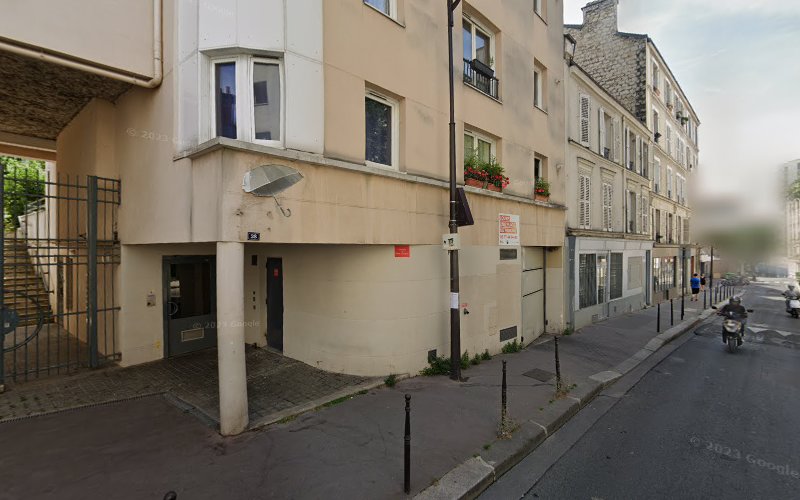
Tucked away on a pedestrian crossing accessible only to OPAC residents, the Regard de la Roquette represents one of the most secluded yet historically significant water monuments in Belleville. Located at 38 rue de la Mare with secondary access at 41 rue des Cascades in the 20th arrondissement, this 17th-century regard offers a fascinating glimpse into Paris’s evolving water infrastructure rather than the romanticized countryside town described in earlier content.
The regard takes its name from the abbey it was originally designed to supply with fresh water from Belleville’s abundant springs. Dating from the 17th century, this stone inspection chamber was part of the extensive network that captured and channeled the natural water sources flowing down from the heights of Belleville hill. The name “la Roquette” itself derives from the abbey or religious institution that commissioned this vital piece of water infrastructure.
At the current location of the Regard de la Roquette once stood the regard of the “Sainct-Antoine” fountain, mentioned in historical documents, indicating the site’s long-standing importance in Paris’s water supply system. This continuity of function demonstrates how strategic locations for water infrastructure were maintained and rebuilt over centuries to serve the city’s growing needs.
Unlike more accessible regards along rue des Cascades, the Regard de la Roquette sits on private property, making it one of the more exclusive water heritage sites in Belleville. Its position between rue de la Mare below and rue des Cascades above reflects the topographical advantages that medieval and early modern engineers exploited to create gravity-fed water distribution systems.
The regard’s cylindrical stone construction follows traditional water infrastructure design, providing essential access to underground aqueducts while protecting the water supply from contamination. These stone chambers were engineered to withstand centuries of use, and many, including la Roquette, continue to function as part of Paris’s modern water management network.
The historical significance of this regard extends beyond its engineering function. It represents the evolution of water rights and infrastructure ownership in Paris, transitioning from abbey-controlled systems to municipal management while maintaining the same fundamental engineering principles that made Belleville springs so valuable to the growing city.
### Key Features
– **17th Century Heritage**: Dating from the 1600s, representing early modern water engineering
– **Abbey Connection**: Named after the religious institution it originally supplied
– **Unique Access**: Located on private pedestrian crossing accessible to OPAC residents only
– **Strategic Position**: Situated between rue de la Mare (38) and rue des Cascades (41)
– **Historical Continuity**: Built on the site of the earlier “Sainct-Antoine” fountain regard
### Accessibility and Amenities
The Regard de la Roquette has limited public accessibility due to its location on private property accessible only to OPAC residents. However, the broader Belleville water heritage experience includes:
– Views possible from rue de la Mare and rue des Cascades street level
– Context provided by nearby publicly accessible regards
– Belleville neighborhood exploration with authentic working-class Parisian character
– Connection to the larger network of water heritage sites throughout the 20th arrondissement
– Educational value as part of guided water heritage tours
### Planning Your Visit
**Best Times to Visit**: The regard itself is not publicly accessible, but the surrounding streets can be explored early morning or late afternoon when foot traffic is lighter and the neighborhood’s authentic character is most apparent.
**Average Visit Duration**: 10-15 minutes to observe from street level and understand the historical context, best combined with visits to other accessible regards in the area.
**Recommended Itinerary**: Start with publicly accessible regards along rue des Cascades, walk along rue de la Mare to observe the approximate location of Regard de la Roquette, continue exploring Belleville’s water heritage at other visible sites including Regard Saint-Martin and Regard des Cascades.
**Historical Context**: The Regard de la Roquette is best appreciated as part of the evolution of water infrastructure ownership in Paris, representing the transition from religious institutional control to modern municipal systems while maintaining the same engineering principles.
**Cultural Significance**: This hidden regard embodies the often-invisible infrastructure that sustained religious communities and urban development, demonstrating how water access shaped both physical and social landscapes in historic Paris.