
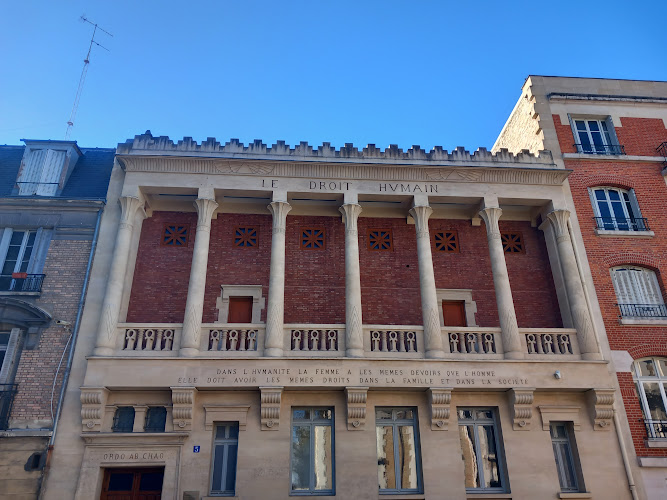
Description
The Siège du Droit humain international in the 13th arrondissement of Paris is a must-visit for those interested in human rights. As the headquarters of the Droit Humain international, this non-profit organization promotes human rights and is a member of the United Nations. What makes this monument unique is that it is the only international human rights organization that is not a member of the United Nations.
Established in 1951, the Droit Humain International is one of the oldest international human rights organizations in the world. The organization has been working tirelessly to promote and protect human rights for over 70 years.
Visitors to the Siège du Droit humain international can learn about the organization’s history and its ongoing efforts to promote human rights. The monument is a testament to the importance of human rights and the need for continued advocacy and action.
For those interested in human rights and social justice, the Siège du Droit humain international is a must-visit destination in Paris. Its location in the 13th arrondissement makes it easily accessible, and its important mission makes it a truly inspiring place to visit.
Key Features:
The Siège du Droit humain international, located in the 13th arrondissement, is a unique museum that showcases the history and principles of the international human rights movement. The museum's main feature is its comprehensive collection of artifacts, documents, and multimedia presentations that highlight the evolution of human rights across different cultures and time periods. Visitors can explore the museum's interactive exhibits and engaging displays that bring to life the struggles and triumphs of the human rights movement. The museum's architecture seamlessly blends modern design with historical elements, providing a visually captivating backdrop for the exhibits.
Accessibility and Amenities:
The museum is committed to providing accessibility for all visitors, offering wheelchair access, elevators, and accessible restrooms to accommodate individuals with disabilities. Additionally, the museum provides audio guides in multiple languages, ensuring that all visitors can fully engage with the exhibits. Visitors can also take advantage of the on-site gift shop, where they can purchase unique souvenirs and educational materials related to human rights and social justice.
Planning Your Visit:
To make the most of their visit, guests are encouraged to plan their trip during weekdays to avoid peak visitor traffic. The average time spent at the museum is approximately 2-3 hours, allowing visitors to thoroughly explore the exhibits and participate in any guided tours or interactive activities. For a comprehensive experience, visitors can follow a suggested itinerary that includes highlights such as the museum's signature exhibits, interactive workshops, and opportunities to engage with knowledgeable staff members.