
Planning a Paris trip? Figuring out how long to stay can honestly drive you nuts. Everyone seems to have a different opinion—some say you only need a weekend, others insist you’ll regret not booking a whole week. With so many must-see spots and dreamy bucket lists, it’s easy to feel overwhelmed.
If it’s your first time, you’ll want at least 4-5 days in Paris to see the highlights at a comfortable pace. Three days? That’s the bare minimum and only if you’re really pressed for time.
A full week gives you a shot at discovering the Paris locals love, not just the postcard version. Anything less than three days and, well, you’ll mostly remember the inside of the metro.
Honestly, there’s no magic number—it all comes down to your travel style. Some folks love racing from the Eiffel Tower to the Louvre and calling it a day.
Others want to lose hours in a café or get lost down a random alley. Let’s break down what you can actually do with different amounts of time, so you can plan a trip that feels right for you.
Key Takeaways
- 4-5 days is the sweet spot for hitting the big sights and actually enjoying Paris
- Three days? Possible, but you’ll need to hustle and focus on the top attractions
- Give yourself a week if you want to explore neighborhoods, take day trips, and just soak it all in
The Short Answer: How Many Days Do You Actually Need in Paris

Most first-timers find 3 to 5 days works best for seeing the main sights and getting a real taste of the city. But honestly, it’s about what you want to do and how you like to travel.
Quick Recommendations for Different Travelers

Absolute Minimum: With just 2 days, you’ll see the Eiffel Tower and the Louvre—barely. Expect to spend most of your time rushing. You’ll check off the big stuff, but you won’t really feel Paris.
Sweet Spot: 3 or 4 days gives you time for the essentials without burning out. You can do the Eiffel Tower, Montmartre, the Louvre, and still sneak in a coffee break at a sidewalk café.
Ideal Length: Five days is perfect for a first visit. You can wander different neighborhoods, fit in a day trip to Versailles, and actually sit down for meals instead of eating on the go.
For the Leisurely Explorer: Seven days in Paris? Now you’re living the dream. You can revisit favorite spots, find hidden gems, and maybe squeeze in a couple of day trips to Giverny or the Loire Valley.
The Ideal Paris Visit for First-Timers

If it’s your first time, I’d say go for at least 4 days. That gives you three full days in the city and a half day to settle in or wind down.
You’ll want to see the big stuff, of course. Day one: walking tour and Eiffel Tower. Day two: Louvre and Île de la Cité. Day three: Montmartre and Sacré-Cœur.
Day four is where things get fun. Maybe take a day trip to Versailles, or spend hours wandering Le Marais and Canal Saint-Martin. These spots show you what Paris feels like beyond the guidebook photos.
Trying to do Paris in just two days? You’ll spend more time in transit than actually enjoying the city. Don’t do that to yourself.
Travel Styles and Their Impact on Trip Duration
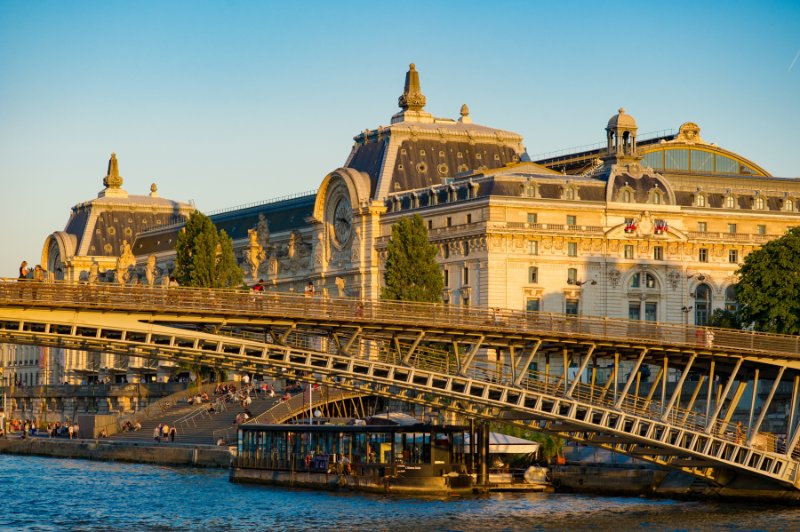
Fast-Paced Sightseers can hit the highlights in 3 days, but you’ll pay for it with sore feet and a bit of sensory overload. You’ll see a lot, but probably won’t remember much besides the crowds.
Balanced Travelers should give themselves 4-5 days to mix sightseeing with slow moments—sitting in gardens, lingering over dinner, browsing little shops. That’s how the best memories happen.
Slow Travelers need a week. You’ll want time to revisit places, stumble into neighborhood markets, or just sit by the Seine with a book. Paris really rewards this kind of travel.
Museum Lovers should tack on extra days. The Louvre can eat up a whole day, and that’s before you even touch Musée d’Orsay or Rodin.
Budget matters, too. Paris isn’t cheap, so sometimes your wallet decides how long you stay.
What You Can See in Different Timeframes
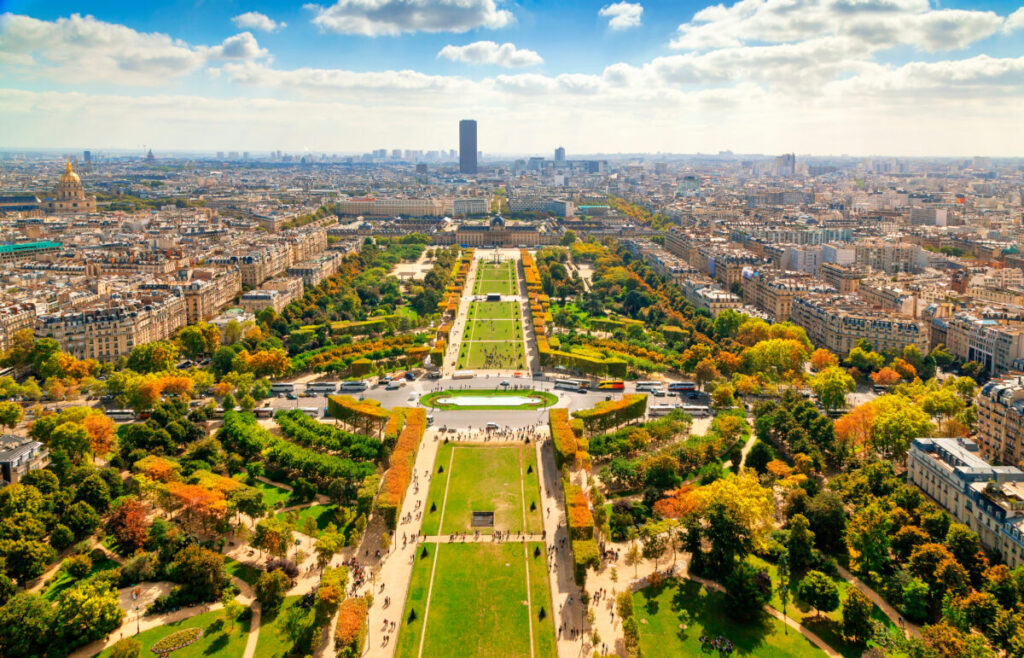
How many days you spend in Paris totally shapes your experience. Two days is a mad dash to the main landmarks. Four days means you can breathe, add museums, and see a neighborhood or two. A week? Now you’re exploring like a local.
Top Paris Highlights in Two Days

With just two days, you have to be ruthless about your choices. Start early at the Eiffel Tower before the crowds show up. You’ll want at least two hours if you’re heading up.
Walk through the Champ de Mars toward the Seine. A river cruise is honestly a smart move when you’re short on time—you’ll see Notre-Dame, the Louvre, and a bunch of gorgeous bridges in about an hour.
Spend your afternoon at the Louvre Museum. You won’t see it all (no one does), but you can catch the Mona Lisa, Venus de Milo, and Winged Victory. Three hours should do.
On your second day, start at Montmartre. Hike up to Sacré-Cœur for the view, then wander those artsy, cobblestone streets. End your day at the Arc de Triomphe and stroll the Champs-Élysées at sunset.
Essential Sights for a Four-Day Itinerary

Four days in Paris? Everything changes. You’re not sprinting anymore. Swing back by the Eiffel Tower at night when it’s sparkling (seriously, it’s magical). Give the Louvre a whole morning.
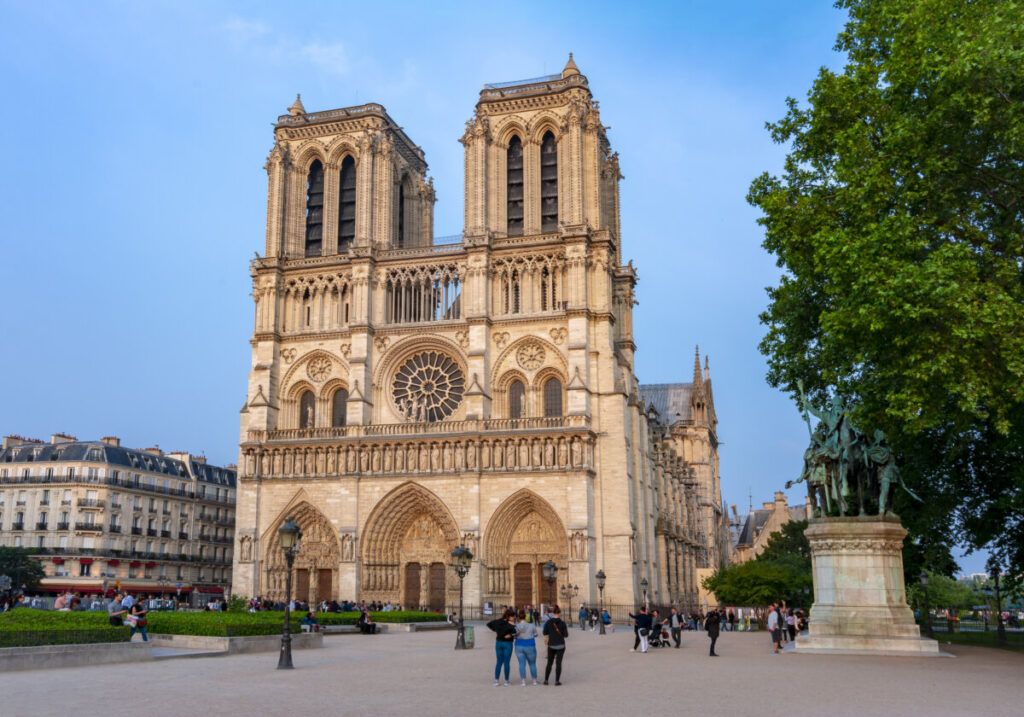
Add Notre-Dame to your list—it’s reopened after the fire and the Gothic architecture is unreal. Explore Île de la Cité, then head to the Latin Quarter for a long, lazy lunch.
Day three is your Versailles adventure. The palace is outside Paris, but trust me, it’s worth the train ride. Between the Hall of Mirrors, the gardens, and Marie Antoinette’s estate, you’ll want five or six hours. People who try to rush Versailles always regret it.
Your fourth day is all about slowing down. Check out smaller museums like Musée d’Orsay or just wander Le Marais. This is when Paris starts to feel like a real place, not just a checklist.
Making the Most of Five to Seven Days

A week in Paris? That’s the dream. You’ll actually have time to see the big stuff and do what most tourists miss.
Dedicate whole days to experiences, not just monuments. Spend an afternoon reading in Luxembourg Gardens. Try a cooking class. Explore the hidden passages in the 2nd arrondissement—most Parisians barely know they exist.
And you can take day trips beyond Versailles. Giverny is stunning in flower season. Or just pick a random neighborhood and pretend you live there for a day.
The best part about a week is the flexibility. If it rains, no big deal. If you find a café you love, go back the next day. This is when Paris starts to feel like your city.
Sample Paris Itineraries by Number of Days
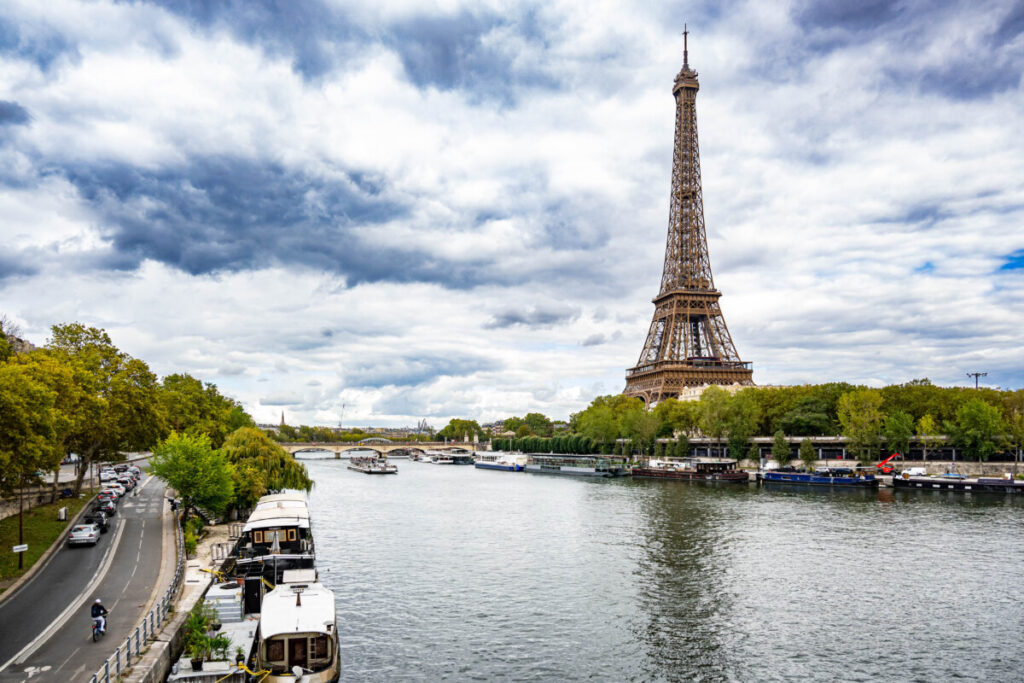
Here are some sample itineraries to help you make the most of your time, whether you’re squeezing in a quick weekend or settling in for a week. Each one mixes must-see sights with neighborhood wandering and those slower moments that make Paris memorable.
Two Days in Paris Example
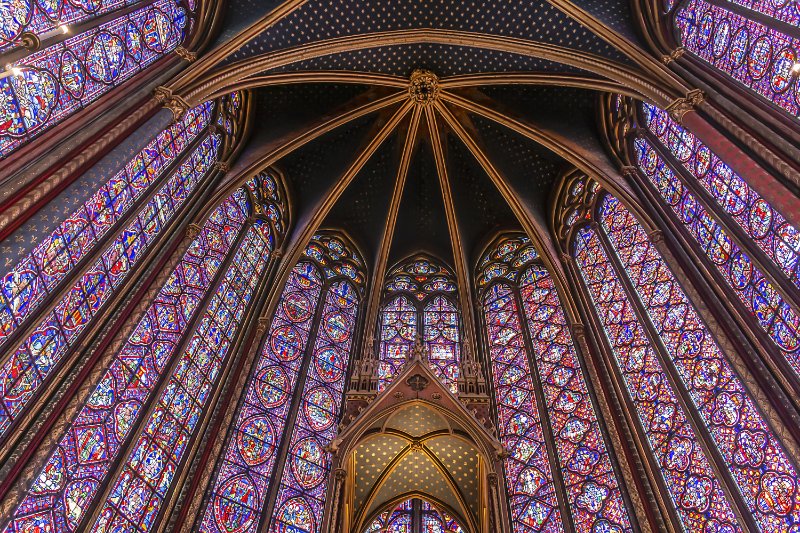
Two days means you’ll have to skip a lot. Start at the Eiffel Tower early, then stroll through Trocadéro Gardens for the views. After lunch, head to Île de la Cité to see Notre-Dame’s exterior and step inside Sainte Chapelle for the stained glass.
On your second day, hit the Louvre—but don’t try to see it all. Pick a few sections you actually care about and spend a couple of hours. The Paris Museum Pass can help you skip ticket lines if you’re hitting multiple spots.
End your trip in Montmartre. Climb to Sacré-Cœur for sunset, then wander Place du Tertre. Grab dinner in Le Marais, where restaurants stay open late and the vibe is just better.
With just two days, you’ll miss a lot—no Musée d’Orsay, no lazy afternoon in Jardin du Luxembourg, no day trips to Versailles. But you’ll get a solid taste.
Three and Four Day Sample Schedules
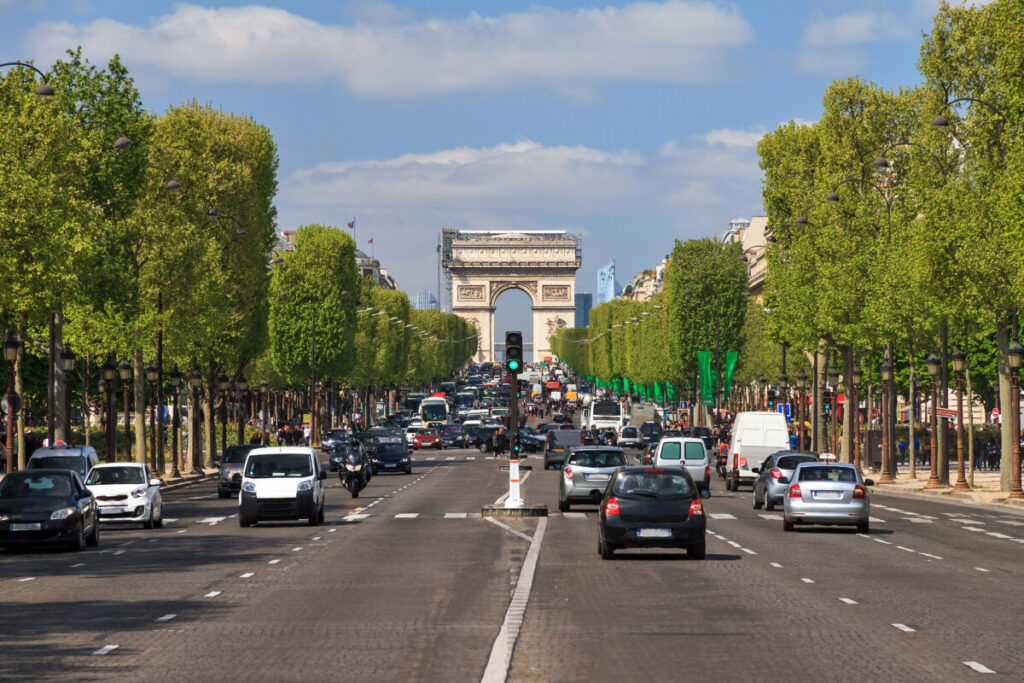
Three days gives you some breathing room. On day three, add Musée d’Orsay—the Impressionist stuff is fantastic and two hours is plenty. Walk through Tuileries Garden to Place de la Concorde, and if you’ve got energy, head up the Champs-Élysées.
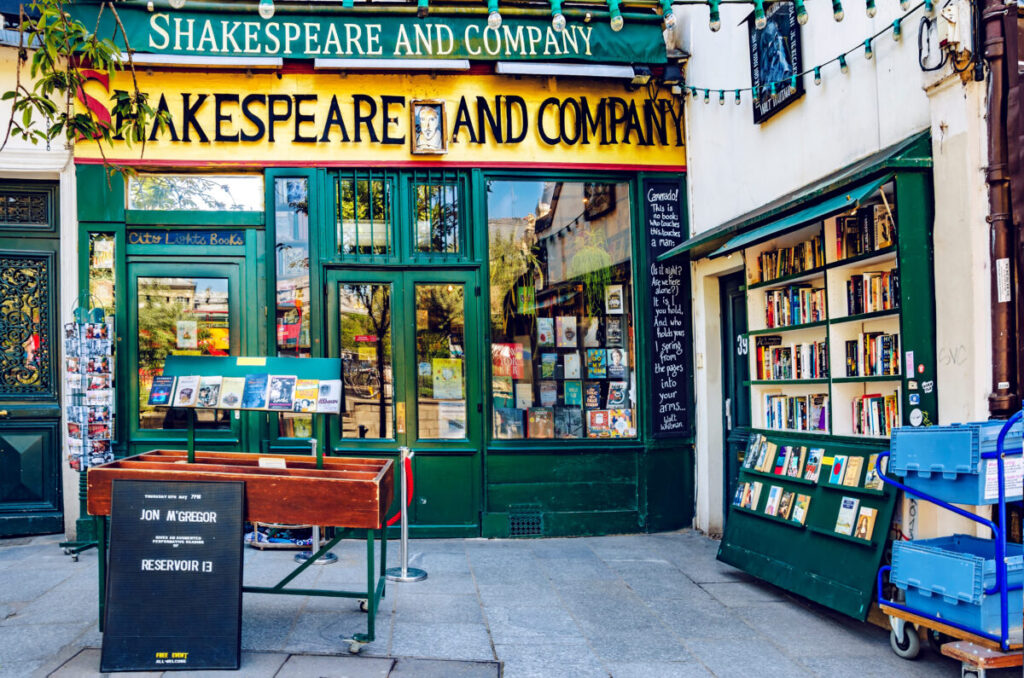
Spend an afternoon in the Latin Quarter. Pop into Shakespeare and Company, grab a crêpe, and people-watch from a café. The neighborhood feels totally different from the grand boulevards near the Louvre.
With four days, you can:
- Take a morning trip to Versailles (give it at least half a day)
- Explore Le Marais properly, maybe with a stop at Place des Vosges
- Visit Centre Pompidou for modern art and killer rooftop views
- Wander Père Lachaise Cemetery and find famous graves
Four days also means you can actually spend an evening in one neighborhood—maybe the 11th arrondissement for dinner and drinks, where locals hang out.
One Week Itinerary for an Immersive Experience
A week in Paris? Now you can slow down. Stretch out the first three days—no need to rush the Louvre or the Eiffel Tower. Linger in Jardin du Luxembourg with a book. Take a sunset cruise on the Seine just because.
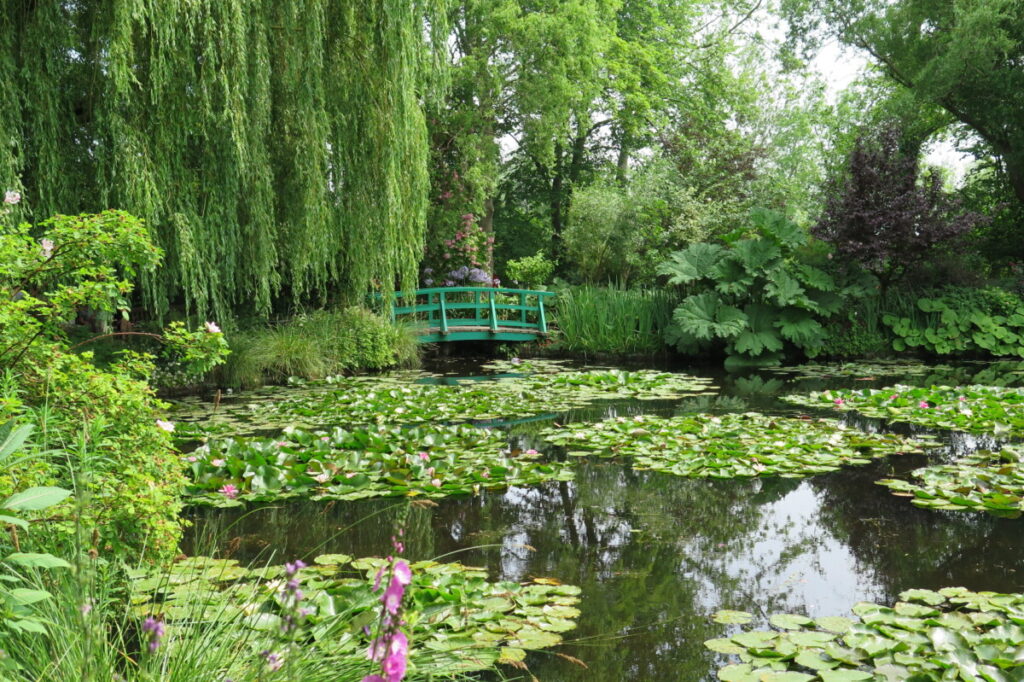
Mid-week is perfect for day trips. Versailles is a classic, but Giverny (Monet’s gardens) or the Champagne region are fun options too. If you’re ambitious, do both.
Use your last days to explore neighborhoods most tourists never see. Canal Saint-Martin has chill cafés and a different vibe. Belleville is full of street art and restaurants where you’ll actually hear French. The Conciergerie on Île de la Cité tells stories from the French Revolution, including Marie Antoinette’s prison cell.
With a week, you can get picky about food. Book that fancy spot a few days ahead. Hunt down the best croissant in your area. Try a new bakery every morning and compare. These little rituals make you feel less like a tourist and more like a local.
Experiencing Paris Like a Local

The real Paris magic happens away from the crowds—in neighborhood markets, quiet parks, and those sidewalk cafés where actual Parisians hang out. Go explore residential areas and slow down a bit. That’s when you’ll really start to understand why people fall in love with this city.
Hidden Gems and Local Districts
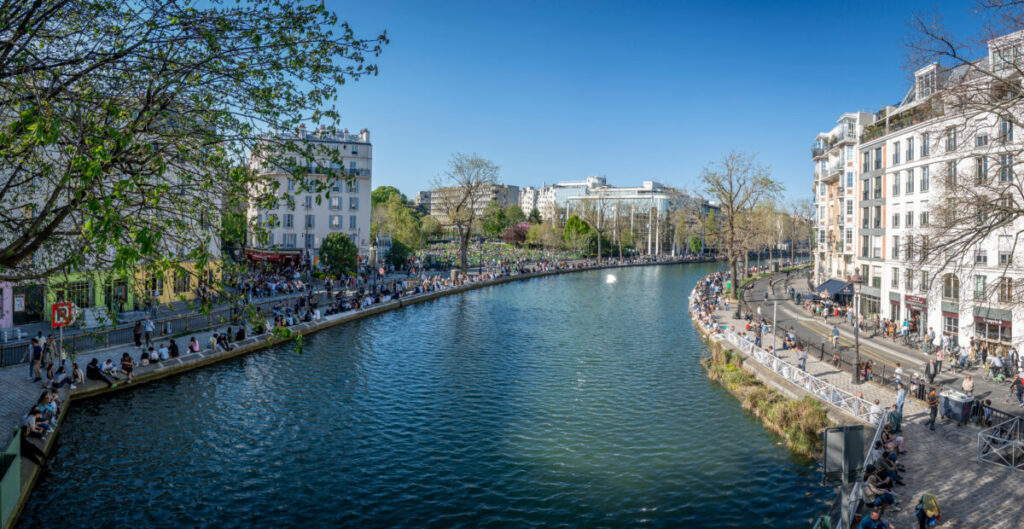
Honestly, you can skip the jam-packed streets near the Eiffel Tower and check out Canal Saint-Martin instead. Locals—mostly a younger crowd—hang out along this pretty waterway in the 10th arrondissement, sipping wine and sharing snacks right on the banks. There’s a bunch of cool independent boutiques and bistros here, and they actually care about locals, not just tourists.
Belleville? It’s got a gritty, multicultural energy that feels way more real than central Paris. You’ll spot street art everywhere, stumble into affordable Vietnamese joints, and get a taste of that everyday Parisian life you just won’t find in Saint-Germain-des-Prés.
The 11th arrondissement around Oberkampf is buzzing with bars and live music, and it’s where young Parisians actually hang out after dark. If you want to see how locals spend their evenings, this is the spot. The Marais district does attract plenty of tourists, but the northern side—especially around Rue de Bretagne—still feels like a real neighborhood, with cheese shops and bakeries that serve regulars.
Want a totally different scene? Head to Rue Cler in the 7th arrondissement. This market street is where well-dressed Parisians shop for groceries, and honestly, it’s fun just to watch them go about their day.
Relaxing Parisian Parks and Neighborhoods

You’ll find Parisians actually relaxing—not just tourists—at Parc des Buttes-Chaumont in the 19th. This park has dramatic cliffs, a quirky temple perched on a rocky island, and plenty of locals picnicking on sunny afternoons. It’s a bit wild and less polished than the Luxembourg Gardens, which honestly makes it even better.
La Villette is another totally different park experience in the northeast. It used to be an industrial area, but now it’s full of culture—think science museum, concert halls, and huge lawns where families spread out on weekends. The vibe here isn’t anything like the formal gardens downtown.
Even Pigalle, famous for the Moulin Rouge, has some surprisingly quiet residential streets. Wander near Place Saint-Georges and you’ll find peaceful squares and local cafés that feel lightyears away from the tourist crowds just a few blocks south.
Living the Parisian Café Lifestyle
Here’s the thing about café culture: it’s not about finding the “best” café, but about finding your café and just hanging out. Order a coffee or a glass of wine, grab a seat at a sidewalk table, and just watch the world go by. Nobody’s going to rush you out.
Parisians don’t really do coffee to-go. They sit, they linger, they read, or catch up with friends. Try this in a Marais café, or somewhere near Shakespeare and Company (but maybe avoid the bookshop itself during peak hours—unless you love crowds).
You’ll get the best café experience away from big monuments. Find a spot in a quieter neighborhood, surrounded by people running errands or meeting friends, and suddenly you get why Parisians love their cafés so much. It’s not just about the coffee—it’s about slowing down and enjoying the moment.
Essential Tips for Maximizing Your Paris Stay

Nailing the timing and making smart choices about tickets and where you stay can turn your Paris trip from stressful to magical. Honestly, these practical details matter just as much as your sightseeing list.
When to Visit: Seasons and Crowds

Late spring (May to early June) and early fall (September to October) are honestly the best times to visit Paris. You’ll get pleasant temps in the 60s and 70s, fewer crowds at the big sights, and decent hotel prices. Summer has those dreamy 9 p.m. sunsets, but also brings heat waves (sometimes over 90°F) and way more tourists.
Winter in Paris gets a bad rap, but it’s actually kind of lovely. Sure, it’s gray and chilly, but you might have the Louvre practically to yourself on a random Tuesday in January. Hotels drop their prices, too. Just pack some layers and a rain jacket. Spring can be unpredictable—random rain showers pop up—so keep an umbrella handy.
Worst times? Late July through August is rough. Parisians leave, tourists swarm in, and lots of places shut down. Major holiday weekends are also a pain—everything closes and prices jump.
Passes, Tickets, and Time-Saving Advice

The Paris Museum Pass ($60 for 2 days, $77 for 4 days, $92 for 6 days) is worth it if you’re hitting a bunch of museums. It covers the Louvre, Versailles, d’Orsay, and about 60 other spots. You’ll skip some ticket lines (not security, though). Do the math based on your actual plans.
Book timed tickets for the Eiffel Tower and the big museums at least two weeks out. Don’t waste money on a private driver to Versailles—just hop on the RER C train for a few euros. Grab your Navigo transit pass (about $25 for a week) on Monday; it’s valid Monday to Sunday no matter when you buy it.
Download offline maps before landing in Paris. WiFi is spotty, especially in the Metro, and getting lost down there is no fun. Restaurants fill up fast, so if there’s somewhere you really want to eat, make a reservation.
Where to Stay for Every Budget
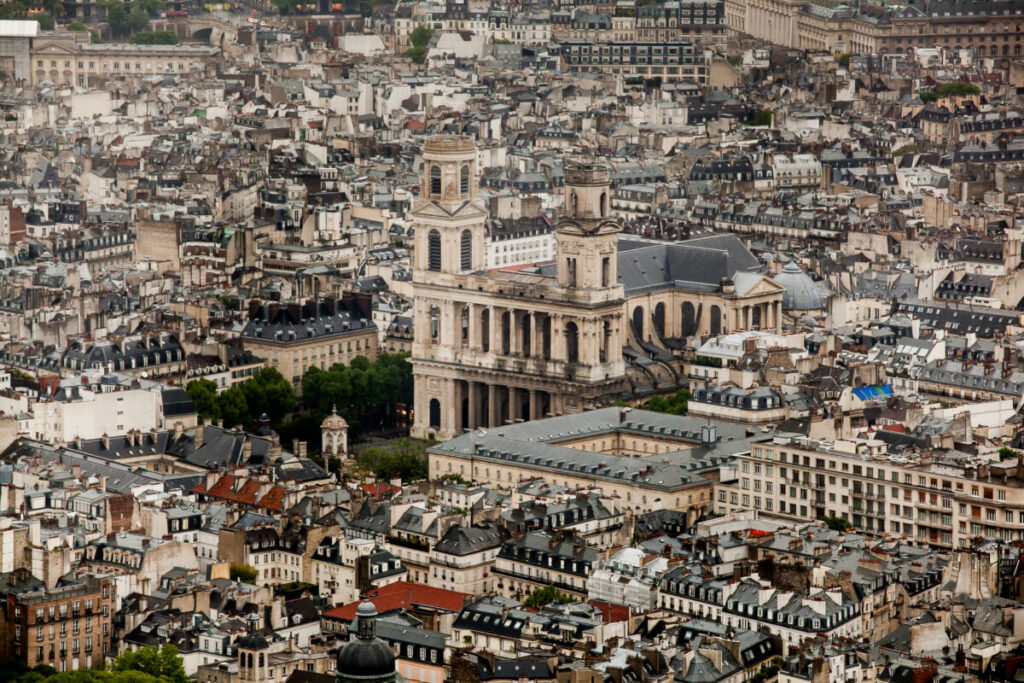
The best neighborhoods really depend on what you want. Le Marais (3rd and 4th) puts you close to everything, with great food and nightlife. The Latin Quarter (5th) is more residential but still central. Saint-Germain-des-Prés (6th) is gorgeous, but you’ll pay for that charm.
If you’re on a budget, check out the 11th, 18th (below Montmartre), or 20th arrondissements for affordable places to stay. Hostels start around $30-40 a night, budget hotels are more like $80-100. Mid-range ($150-250) options cluster in the 9th and 10th near Gare du Nord.
If you want luxury, the 7th and 8th arrondissements are all about classic Parisian elegance. I wouldn’t bother staying near Gare du Nord or way out in the 19th and 20th—nothing wrong with those areas, but they’re not convenient for sightseeing. Just pick somewhere near a Metro stop and you’ll get around easily.
Day Trips and Extra Experiences Near Paris
If you’ve got more than a few days in Paris, it’s totally worth getting out of the city. France has jaw-dropping castles, charming villages, and gorgeous countryside all within easy reach.
Versailles and Palace Day Trip Guidance

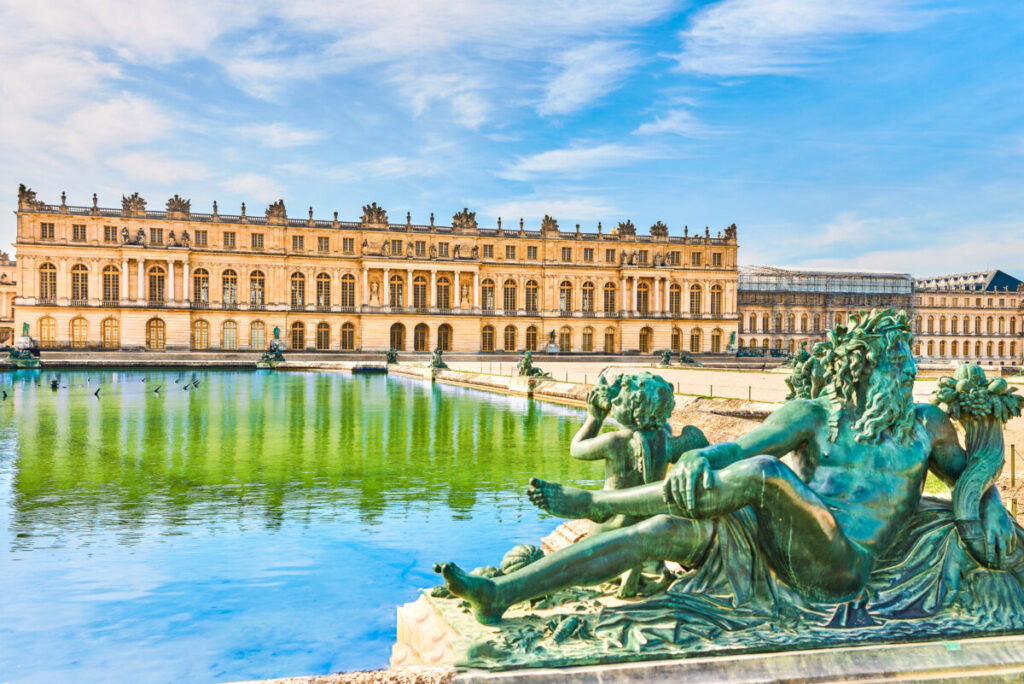
The Palace of Versailles is about 12 miles from central Paris and it’s easily the most popular day trip around. You’ll want at least four hours to wander the palace, the Hall of Mirrors, and those massive gardens.
You can get there in about 40 minutes on the RER C train (about €7 roundtrip). I’d show up right when it opens at 9 AM to beat the crowds. The palace closes Mondays, so plan for Tuesday through Sunday.
The gardens are huge—2,000 acres—so wear comfy shoes. Between April and October, they run musical fountain shows on weekends, and honestly, they’re worth the extra ticket.
Book your tickets online weeks ahead—they sell out fast, especially in summer. A full day at Versailles is exhausting but totally worth it. This place is just on another level.
Other Popular Excursions: Giverny, Fontainebleau, More

Giverny is a must for art lovers. You can walk through Monet’s gardens and see the Japanese bridge from his paintings. It’s about 50 miles northwest of Paris—figure on 90 minutes by train plus a quick shuttle. Go in spring or early summer for the best flowers.
Fontainebleau often flies under the radar. The Château de Fontainebleau was a royal residence for centuries and feels way less crowded than Versailles. It’s about an hour from Paris by train, and if you like hiking or rock climbing, the surrounding forest is fantastic.
You can even squeeze in the Champagne region if you start early. Reims and Épernay have cellar tours and tastings at famous champagne houses. The train ride is about 90 minutes each way, but drinking bubbly at the source? Totally worth it.
Unique Activities for Extended Stays

If you’re lucky enough to have a week or more in Paris, branch out a bit. Try a cooking class in someone’s apartment—you’ll pick up French techniques and get a peek into real local life. Wine tasting courses are fun too, especially if you want to order confidently at dinner.
Rent a bike and cruise along the Seine or through the Bois de Vincennes for an afternoon. The city’s bike lanes have gotten much better. Some visitors love guided excursions that mix different neighborhoods or hone in on street art or literary history.
Or maybe catch a cabaret, spend a night at the opera, or sign up for a perfume-making workshop in the Marais. These things cost more than a museum ticket, but the memories stick with you long after the trip.
Frequently Asked Questions
People always ask if their Paris trip will be too short or too long. Three days is usually the sweet spot for first-timers. Families should plan on four or five days to keep everyone happy, and in winter, it’s nice to have at least four days to take things slow.
Is three days enough to see the highlights of Paris without feeling rushed?
Three days works if you stay focused and realistic. You’ll hit the Eiffel Tower, Louvre, Notre-Dame, and maybe a couple neighborhoods like Le Marais or Montmartre—without running yourself ragged.
But you’ll have to make choices. The Louvre alone can eat up half a day if you let it.
Skip-the-line tickets help, and so does picking just one or two museums instead of trying to do them all.
You’re going to miss things in three days, and honestly, that’s fine. Nobody sees everything. It just gives you a reason to come back.
For a first-time visit, what’s the ideal number of days to balance the classics and a few local neighborhoods?
Four days is perfect for most first-timers. You’ll get to the big stuff—Eiffel Tower, Louvre, Arc de Triomphe—and still have a full day to wander somewhere like Canal Saint-Martin or the Latin Quarter. Maybe you do monuments on day one, museums and gardens on day two, Versailles or a slow morning in a café on day three, and on day four, just explore the Marais, hit some vintage shops, or have a long lunch at a neighborhood bistro where nobody speaks English and the menu’s scribbled on a chalkboard.
How many days should a family plan for Paris to keep kids happy while still covering major sights?
Five days is way better for families than trying to cram everything into three or four. Kids get tired, need more breaks, and sometimes just want to chill in a park with ice cream instead of staring at another painting.
Plan downtime. The Jardin du Luxembourg has playgrounds and little sailboats you can rent. Champ de Mars is great for a picnic with the Eiffel Tower in the background. Even Père Lachaise Cemetery can be fun for older kids if you turn it into a scavenger hunt for famous graves.
Museums like the Cité des Sciences or the Natural History Museum are hands-on and way more interesting for kids than the Louvre. And in summer, the Paris Plages pop-up beaches on the Seine are perfect for burning off energy.
A day trip to Versailles can work, but don’t overdo it. The gardens are massive, and kids usually have more fun running around outside than waiting in line for the palace.
Can you realistically combine Paris and Disneyland in a five-day trip, and what should you prioritize?
Honestly? You can squeeze both in, but it’ll feel packed. Disneyland Paris sits about an hour outside the city by RER, and you’ll want to carve out a full day—possibly two if your kids are super into Disney.
That leaves you with three or four days for Paris itself. Go for the big stuff: Eiffel Tower, a cruise on the Seine, maybe the Louvre or Musée d’Orsay. If Disneyland’s on your list, I’d skip Versailles—it’s just too much running around.
Try to stay somewhere close to a direct RER line to Disneyland. The 7th or the Marais both work well and keep you central. Seriously, don’t try to cram Disneyland into a half-day. You’ll just end up tired and probably a bit cranky.
If your kids are older or not that fussed about Disney, maybe skip the park and spend all five days wandering Paris. There’s more than enough to fill your time.
How many days do you need in Paris in winter to enjoy museums, cafés, and seasonal sights comfortably?
Four days in winter feels just right. The sun sets early—by 5 PM in December—so you won’t cover as much as you might in summer.
Winter’s actually great for museums. The Louvre, Musée d’Orsay, and even the Rodin Museum get quieter, so you can actually see the art instead of just people’s heads.
Cafés turn into your home base. You’ll find yourself lingering over coffee or hot chocolate at places like Café de Flore or some cozy spot in the 9th. Honestly, that’s a huge part of Paris in winter—just slowing down and soaking up the vibe.
In December, Christmas markets and ice skating rinks appear. The Champs-Élysées lights are worth a look, even if the crowds can be a pain. If you’re there in January or February, Paris feels a lot more local and relaxed.
If you have a full week, how should you pace a seven-day Paris itinerary to avoid museum fatigue and long transit days?
With seven days in Paris, you can actually slow down and soak up the city, instead of rushing around with a checklist. Spread out the big museums—maybe hit the Louvre on day two, Orsay on day four, and save Pompidou for day six if you’re still up for it.
Plan a whole day for Versailles, but seriously, don’t pair it with another marathon sightseeing day. After Versailles, just chill—wander along Canal Saint-Martin or hang out in a cozy wine bar for the afternoon.
Honestly, give yourself at least one day with zero plans. Sleep in, grab a croissant or two, park yourself on a bench, or poke around a flea market. That kind of day? It’ll stick with you way more than another round of monuments.
For your last couple of days, go back to neighborhoods you loved or check out new ones. The 11th has awesome food and nightlife, and Belleville feels a bit rougher around the edges but in a good way. Rue Mouffetard in the 5th? That market street is a gem.
Don’t worry about skipping stuff. Seven days is a lot, but Paris is huge. Nobody sees it all, and honestly, that’s part of the fun.
Find Things to Do in Paris
Find Accommodation

Continue Planning Your Paris Trip
How to Plan a Trip to Paris for Your Anniversary: Unforgettable Romantic Itinerary and Expert Tips
Plan a Paris anniversary trip worth remembering: the most romantic neighborhoods to stay in, dinners to book months…
Read Guide →
Paris vs Bordeaux: Which City Is Better for Your Trip?
Torn between Paris and Bordeaux with limited days? How to split your time between the capital's icons and…
Read Guide →
Springtime in Paris: What to See, Eat, and Do on a Spring Trip
Spring may be the best time to see Paris: leafy walks, open cafe terraces, fewer summer crowds. What…
Read Guide →