
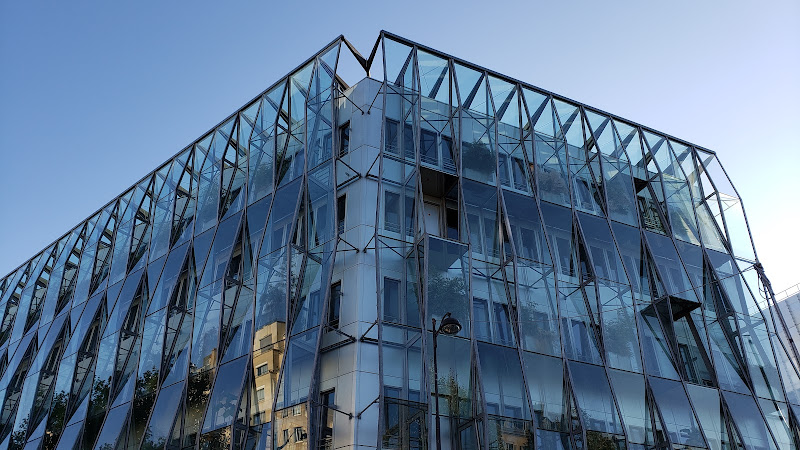
Revolutionary pediatric sanctuary where Suzanne Necker’s vision created global children’s medicine center
At 149 rue de Sèvres in the 15th arrondissement, Hôpital Necker-Enfants malades stands as the extraordinary result of Suzanne Necker’s 1778 hospital foundation merged with the 1801 Sick Children’s Hospital—the Western world’s first pediatric institution—creating a medical complex where compassionate philanthropy and medical innovation continue serving over 500,000 annual patients through comprehensive pediatric and specialized adult care. This remarkable institution demonstrates how individual charitable vision can generate lasting medical institutions that transcend original foundation to become global centers of medical excellence serving both immediate patient care and ongoing medical research advancement through facilities that honor both founding humanitarian mission and contemporary medical innovation requirements worthy of Historical Monument protection and international medical collaboration serving diverse pediatric and adult medical specialty requirements.
Suzanne Necker’s philanthropic legacy and medical innovation foundation
Architectural heritage and medical facility evolution
Medical innovation heritage and contemporary excellence
Contemporary medical excellence and international collaboration
Essential information
- Founder: Suzanne Necker (wife of finance minister Jacques Necker)
- Original foundation: Necker Hospital (1778), Children’s Hospital (1801)
- Merger: 1920 creating comprehensive pediatric-adult facility
- Location: 149 rue de Sèvres, 15th arrondissement
- Medical innovation: René Laënnec stethoscope invention (1816)
- Contemporary capacity: 500,000+ annual patients, 5,000 professionals
- Rare diseases: 40+ reference centers
- Cultural element: Keith Haring tower artwork (1987)
Architectural and medical significance
- Architectural diversity: 17th-century to contemporary medical facility evolution
- Historic preservation: Archambault pavilion, Carré Necker, Laënnec courtyard
- Medical specialization: Pediatric emergency, rare diseases, organ transplantation
- International recognition: Patients from worldwide seeking specialized care
- Research integration: Clinical units coordinated with research facilities
Philanthropic vision creates medical excellence serving global pediatric advancement
Hôpital Necker-Enfants malades embodies the transformative power of philanthropic vision that created medical institutions transcending original charitable purpose to become global centers of pediatric excellence, where Suzanne Necker’s 1778 foundation merged with the world’s first pediatric hospital to establish comprehensive medical facilities that serve both immediate patient care and ongoing medical research advancement through clinical excellence that honors both founding humanitarian mission and contemporary medical innovation serving over 500,000 annual patients including international referrals seeking specialized care unavailable elsewhere. This extraordinary institution proves that exceptional medical heritage emerges when charitable foundations meet sustained professional medical excellence, creating healthcare institutions that serve both immediate patient treatment and long-term medical advancement through facilities that honor both historical philanthropic achievement and contemporary medical research requirements worthy of both medical excellence and cultural heritage preservation. For medical history enthusiasts, pediatric care admirers, or anyone interested in how philanthropic vision can generate lasting medical institutions serving global health advancement, this rue de Sèvres complex offers an unparalleled encounter with medical excellence, where René Laënnec’s stethoscope invention and Keith Haring’s artistic contribution demonstrate how exceptional medical institutions can serve both clinical innovation and cultural programming, proving that the finest medical facilities achieve lasting significance through ongoing medical service rather than mere historical preservation, creating spaces where medical heritage continues inspiring contemporary healthcare excellence and medical research advancement through institutions that honor both philanthropic foundation heritage and ongoing medical mission serving diverse patient care and medical research requirements within healthcare contexts that maintain both clinical effectiveness and cultural distinction worthy of both medical excellence and heritage protection.