
<\!-- wp:heading -->
The rococo jewel of Île Saint-Louis with Pierre de Vigny\u2019s ornate balcony masterpiece
<\!-- /wp:heading --><\!-- wp:paragraph -->
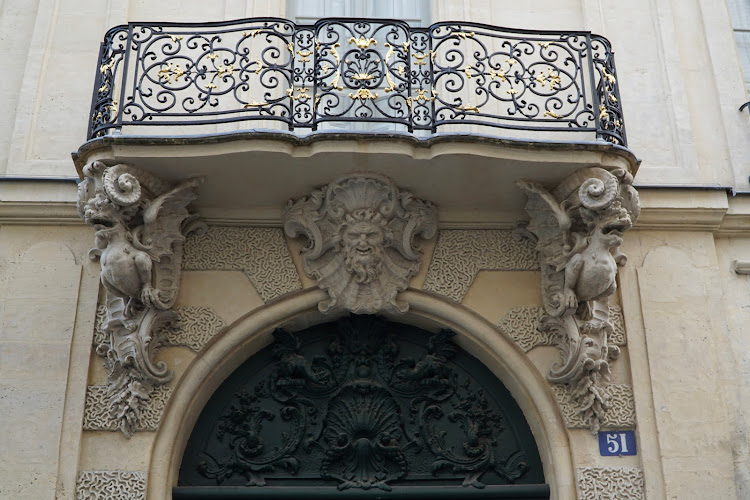
At 51 rue Saint-Louis en l\u2019Île in the 4th arrondissement, the Hôtel de Chenizot stands as one of the most exquisite examples of rococo residential architecture in Paris and a testament to 18th-century decorative artistry. Originally built in the early 17th century for Pierre de Verton and transformed in 1719 by Jean-François Guyot de Chenizot, a general tax collector in Rouen, this magnificent mansion showcases how baroque and rococo aesthetics could enhance aristocratic urban living while establishing new standards for decorative architectural excellence.
<\!-- /wp:paragraph --><\!-- wp:parameter --><\!-- wp:paragraph -->
Chenizot\u2019s commissioning of architect Pierre Vigné de Vigny to add the famous ornate balcony and decorative façades facing both street and courtyard transformed a relatively modest 17th-century residence into one of Paris\u2019s most photographed and admired architectural achievements, demonstrating how targeted architectural interventions can achieve disproportionate aesthetic impact.
<\!-- /wp:paragraph --><\!-- wp:heading {"level":3} -->
Pierre de Vigny\u2019s rococo architectural collaboration
<\!-- /wp:heading --><\!-- wp:parameter --><\!-- wp:paragraph -->
The mansion\u2019s transformation involved exceptional collaboration between architect Pierre de Vigny, ironworker Nicolas Viennot, and sculptor François Roumier, creating comprehensive rococo decorative programs that integrate architectural design with metalwork and sculptural artistry. This collaborative approach demonstrates how 18th-century aristocratic architecture could achieve total artistic environments where every decorative element contributes to unified aesthetic vision.
<\!-- /wp:parameter --><\!-- wp:parameter --><\!-- wp:paragraph -->
The ornate wrought-iron balcony, featuring characteristic rococo “rocaille” decorative elements often borrowed from Italian sources, creates one of Paris\u2019s most spectacular examples of how metalwork could achieve sculptural beauty while serving practical architectural functions.
<\!-- /wp:paragraph --><\!-- wp:heading {"level":3} -->
Île Saint-Louis aristocratic heritage
<\!-- /wp:heading --><\!-- wp:parameter --><\!-- wp:paragraph -->
The mansion\u2019s location on Île Saint-Louis places it within one of Paris\u2019s most exclusive and architecturally coherent neighborhoods, where 17th and 18th-century aristocratic residences create comprehensive urban ensemble that demonstrates French success in creating sophisticated residential districts that balance private luxury with urban harmony.
<\!-- /wp:parameter --><\!-- wp:paragraph -->
The building\u2019s integration within the island\u2019s carefully planned urban fabric shows how individual architectural excellence can contribute to broader neighborhood character while maintaining distinctive identity that reflects specific owners\u2019 taste and cultural sophistication.
<\!-- /wp:paragraph --><\!-- wp:heading {"level":3} -->
From episcopal residence to gendarmerie to private heritage
<\!-- /wp:heading --><\!-- wp:parameter --><\!-- wp:paragraph -->
The mansion\u2019s varied institutional uses—serving as residence for Archbishop Monseigneur Affre from 1846 after the 1831 ransacking of the archbishop\u2019s palace, then as gendarmerie barracks from 1850 to 1862 for the 1st Legion staff—demonstrate how aristocratic residential architecture could adapt to serve changing institutional needs while maintaining architectural dignity appropriate to important public functions.
<\!-- /wp:parameter --><\!-- wp:paragraph -->
The building\u2019s return to private residential use and current division into private residences shows how historic mansions can continue serving their original domestic purpose while preserving architectural elements that make them culturally significant and architecturally important to broader Parisian heritage.
<\!-- /wp:paragraph --><\!-- wp:heading {"level":3} -->
Historic monument preservation and architectural legacy
<\!-- /wp:heading --><\!-- wp:parameter --><\!-- wp:paragraph -->
The comprehensive 2002 historic monument classification covering façades, roofs, courtyards, connecting passages, staircases, and courtyard floors acknowledges the mansion\u2019s exceptional architectural achievement while ensuring preservation of Pierre de Vigny\u2019s rococo decorative programs for future generations.
<\!-- /wp:paragraph /><\!-- wp:parameter --><\!-- wp:paragraph -->
For visitors to the Marais interested in rococo architecture, 18th-century decorative arts, or Île Saint-Louis aristocratic heritage, the Hôtel de Chenizot offers an exceptional encounter with French rococo residential design at its finest. The mansion proves that great decorative architecture emerges when talented architects collaborate with skilled craftsmen to create comprehensive artistic environments that serve both practical residential needs and broader cultural purposes, establishing models for architectural excellence that influence subsequent generations while contributing to neighborhood character that makes entire districts culturally significant and architecturally distinguished.
<\!-- /wp:paragraph -->