

The RoissyBus is ending March 1, 2026, and if you’ve been relying on this iconic shuttle for your trips between Paris and Charles de Gaulle Airport, you’re probably wondering what comes next. After 30 years of connecting Opéra to CDG, this direct link is disappearing because constant traffic jams on the A1 motorway made journey times unpredictable. The new replacement line 9517 will run through Saint-Denis-Pleyel instead of central Paris, cutting travel time to 50 minutes to 1 hour and 10 minutes when you combine it with Metro Line 14.
But here’s the thing—this change affects more than just your usual airport routine. You’ll need to rethink your entire approach to getting to CDG, especially if you’ve been using that direct connection from Opéra for years. Honestly, this might even be a blessing in disguise since the old RoissyBus was notorious for being packed and unreliable during peak times.
This guide breaks down what you need to know about navigating Paris airport transfers after the RoissyBus cancellation. You’ll find out which alternatives save you the most time, how to dodge travel chaos, and which backup options actually work when you’re dragging luggage across the city.
Key Takeaways
- Line 9517 replaces RoissyBus on March 1, 2026 with connections through Saint-Denis-Pleyel instead of central Paris
- Multiple backup options exist including RER B, private shuttles, and the upcoming CDG Express train launching in 2027
- Planning your airport transfer route in advance prevents last-minute stress and missed flights
Immediate Steps After RoissyBus Cancellation

When you realize the RoissyBus won’t be running, your priority is staying level-headed while quickly gathering accurate information about alternatives and keeping records of any delays that could mess with your flight connections.
Staying Calm and Assessing Your Situation

Look, I get it. You’ve planned this trip for months, and now the RoissyBus service ends on March 1, 2026, throwing a wrench in your carefully mapped-out travel day. But panicking won’t get you to Charles de Gaulle any faster.
First, check your watch and figure out how much time you’ve got. If your flight leaves in four hours or more, you’re actually in decent shape. Jot down your terminal number and departure time where you can see it—sticky note, phone, whatever works.
Next, take stock of what you’re carrying. Heavy luggage? Kids in tow? These things actually matter when picking your backup. The old RoissyBus could handle bags, but some alternatives make you haul your stuff across Metro transfers, which isn’t fun.
And here’s something people forget: having a fully charged phone is more important right now than anything else. Your battery is your lifeline for booking alternative transport and checking real-time updates.
Gathering Verified Transport Updates

Don’t trust every random person at the bus stop who claims to know what’s going on. Instead, check the official Île-de-France Mobilités website or app for confirmed info about replacement Bus 9517 routes and schedules.
The replacement system isn’t as straightforward as the direct Opéra connection you expected. Bus 9517 requires a transfer at Saint-Denis-Pleyel, which adds 15 to 25 extra minutes to your journey. If you’re already cutting it close, this really matters.
Your other immediate options include:
- RER B from Gare du Nord – 35 minutes direct but often crowded
- Private shuttles from Montparnasse – Around €17 with guaranteed seats
- Taxi or rideshare – Expensive but reliable in emergencies
Check several sources before picking a route. Traffic on the A1 motorway can be brutal, which is actually why authorities canceled the RoissyBus in the first place.
Documenting Travel Disruptions

Here’s where most travelers mess up: they don’t keep proof of what happened. If this transport chaos causes you to miss your flight, you might have rights under EU Regulation 261, but only if you can prove the disruption wasn’t your fault.
Take screenshots of:
- Canceled bus schedules or service alerts
- Your booking confirmation shows departure times
- Any official announcements about the RoissyBus cancellation
- Text messages or emails about alternative arrangements
Save your alternative transport receipts too. Whether you grab an Uber or buy a last-minute RER ticket, keep everything. Some travel insurance policies cover “necessary additional expenses” when your planned transport fails.
If you miss your flight or connection, snap a photo of the terminal clock when you arrive. Airlines sometimes argue that you showed up too late, but timestamped photos can prove otherwise.
Write down the names of any airline or transport staff you speak with, and what they told you. When you’re stressed, details blur fast, but notes don’t lie.
Official Alternatives for Paris to Charles de Gaulle Airport

The RoissyBus is ending in March 2026, but Île-de-France Mobilités and RATP have set up replacement options that actually work pretty well once you know how to use them. The new Bus 9517 takes a different route through Saint-Denis-Pleyel, the RER B still runs from central Paris, and the upcoming CDG Express will offer the fastest connection starting in 2027.
Bus 9517 and Transfers at Saint-Denis-Pleyel

Bus 9517 replaces the old RoissyBus, but it works differently. Instead of starting at Opéra, you’ll need to get yourself to Saint-Denis-Pleyel first.
The new route connects to Metro Line 14, Line 13, and RER D at Saint-Denis-Pleyel. From there, the 9517 takes 50 minutes to 1 hour and 10 minutes to reach Charles de Gaulle Airport. That’s actually faster than the old RoissyBus, which used to get stuck in A1 traffic for up to 1 hour and 20 minutes.
Transdev runs this line, and it avoids the worst jams by taking a smarter route. The big advantage? You’ve got multiple ways to reach the transfer point, depending on where you’re starting from in Paris.
Later, the 9517 will connect with Grand Paris Express lines 15, 16, and 17 when those open. For now, just focus on the three connections that already exist at Saint-Denis-Pleyel.
RER B and Direct Rail Options

The RER B is still your most economical choice for getting to Paris-Charles-de-Gaulle Airport. It runs frequently all day and connects to major stations across the city.
RER B stops at Gare du Nord, Châtelet-Les Halles, and Saint-Michel-Notre-Dame in central Paris. The train goes straight to the airport terminals with no transfers. Travel time ranges from 30 to 50 minutes, depending on your station and whether you catch an express or local train.
But here’s the catch—the RER B has a reputation for delays and occasional disruptions. Sometimes it works perfectly, other times you watch travelers miss flights because of sudden interruptions. You get what you pay for with this one.
The line gets crowded during rush hours, especially with big suitcases. If you’re traveling during peak times (around 8-9 AM or 5-7 PM), expect tight spaces and a bit of a scramble for seats.
CDG Express: Upcoming High-Speed Connection

The CDG Express launches in 2027 and will change everything for travelers who care about speed above all else. This direct rail link goes from Gare de l’Est to Charles de Gaulle in just 20 minutes, no stops.
It’s a premium service, so expect to pay more than the RER B or bus options. But if you’ve got an important meeting or a tight connection, those 20 minutes could be a lifesaver.
The train leaves from Gare de l’Est, which you can reach via Metro Lines 4, 5, and 7. No traffic, no weather delays, none of the unpredictability that comes with road-based transport.
This one’s for business travelers and anyone who’d rather spend a bit more than waste time getting to the airport. Once it opens, it’ll be the fastest public transport connection between central Paris and Charles de Gaulle Airport by a long shot.
See Related: Currency Exchange in Paris: Tips and Best Rates for Travelers

With the RoissyBus gone, you’ll have to pick between budget-friendly shuttles and premium door-to-door services. Prices range from €17 for shared rides to €65+ for private cars, and each one deals with the notorious A1 motorway traffic in its own way.
Eco Shuttles and Group Services

Shared shuttles are your wallet’s best friend right now. They usually cost between €16.90 and €22 per person, which is about what you used to pay for the RoissyBus anyway.
The main thing to know: these services pick up from fixed points, not your hotel. You’ll need to get yourself to spots like Montparnasse Station or Gare de Lyon. But honestly? That’s a small price to pay for a guaranteed seat and real luggage space.
Most shared airport transfer services run every 30-45 minutes during peak hours. You book online ahead of time, so you’re not left standing around wondering if there’s room for your suitcase.
The catch is travel time. Shuttles sometimes make multiple terminal stops at CDG, so you’re looking at 50-70 minutes depending on traffic. The A1 motorway can still throw a wrench in things during rush hour, so leave extra time if your flight’s before 10 AM or after 5 PM.
Chauffeur and Door-to-Door Transfers

Private transfers cost more, but they solve the “I have three suitcases and I’m staying in the Marais” problem that group shuttles just can’t fix.
You’re looking at €65-85 for a sedan that fits up to four passengers, or €85-120 for a van if you’ve got a bigger group. Split that among three or four people, and it’s actually not bad compared to some other options.
The real perk? Your driver meets you exactly where you are. No dragging bags to a metro station. Most services track your flight, so if you land late, they adjust automatically.
I’ve seen people book through Booking.com or directly with local companies. Either way works, but direct bookings sometimes give you more wiggle room with cancellations. Just double-check that the price includes tolls and airport fees—some companies tack those on later.
Uber and Ride-Hailing Tips

Uber from central Paris to CDG runs €50-70, depending on surge pricing. Honestly, that’s not bad for two people with luggage.
But here’s what nobody tells you: pickups at CDG are complicated. You can’t just walk outside and hop in. There are designated ride-hailing zones at each terminal, and finding them when you’re jet-lagged is… an experience.
The A1 motorway traffic jams up Uber just like everything else. If you hit morning rush (7-9 AM) or evening commute (5-7 PM), your supposedly 35-minute ride can drag out to 75 minutes. Sometimes drivers try the périphérique instead, but that’s hit or miss.
Quick tip: always check the app before you commit. If surge pricing is 2.5x, just wait a bit or grab a regular taxi instead.
How to Secure Instant Connectivity in Travel Disruptions

When transport chaos hits, your ability to rebook flights and find alternatives depends entirely on having a stable internet connection. Airport wi-fi typically crashes during disruptions, leaving you stuck in digital limbo when you need connectivity most.
Comparing Airport Wi-Fi Versus eSIM Data

I’ve watched too many travelers panic at CDG because the airport’s free Wi-Fi crapped out during a major delay. When hundreds of passengers all try to rebook or contact hotels at once, the network just can’t keep up.
The public Wi-Fi at Charles de Gaulle handles maybe 50-100 users smoothly. But when there’s a cancellation wave? Suddenly, it’s 500+ people, and the bandwidth just isn’t built for that.
Airport Wi-Fi Problems:
- Disconnects every 15-30 minutes, forcing you to re-login
- Airline apps and booking sites often won’t load during peak chaos
- Unsecured networks can expose your credit card data
- Forget about video calls to customer service
A travel eSIM gives you private mobile data that doesn’t depend on airport infrastructure. You can handle rebooking from the taxi line, the terminal entrance, or literally anywhere. No shared bandwidth means your connection stays stable even when everyone else is refreshing their flight status.
Setting Up a Travel eSIM Before You Fly

Download your eSIM before you leave home—honestly, trying to install it at the airport while stressed is just asking for trouble. Most providers like Yoho Mobile let you buy and install the profile days in advance, then activate it the moment you land.
What actually works: Buy your plan 48 hours before departure, install the eSIM profile while you’re still on home Wi-Fi, and keep it as a secondary line. Your phone will show two carriers—your regular one and the travel eSIM, which just sits dormant until you need it.
Quick Setup Steps:
- Check if your iPhone (XS or newer) or Android supports eSIM
- Purchase a plan covering your destination
- Scan the QR code sent to your email
- Label it “Travel Data” in phone settings
- Keep it turned off until needed
The beauty? You’ve got instant backup connectivity if your primary carrier fails or if the RoissyBus replacement gets stuck in traffic and you need to alert your hotel.
Free eSIM Trials and Backup Connectivity

Several providers offer free trials that work perfectly as emergency backup. Yoho Mobile eSIM includes free trial data in many of their plans, so you can test the connection before committing to a larger package.
I always tell visitors to grab a free trial before their trip. Even 500MB of free data is enough to rebook a flight, message your accommodation, and pull up alternative transport options when things go sideways.
Yoho Care provides 24/7 support if your eSIM acts up during a crisis—something airport Wi-Fi obviously doesn’t offer. And unlike physical SIM cards that require finding a shop and standing in line, an eSIM activates in about 3 minutes from your phone.
Keep the trial installed as your emergency backup even if you don’t think you’ll need it. When Bus 9517 gets delayed at Saint-Denis-Pleyel and you need to find a private transfer fast, that dormant eSIM profile becomes your lifeline to sorting out the mess.
See Related:
Protecting Your Rights and Managing Canceled Flights

When your RoissyBus connection fails and you’re scrambling to rebook a flight, you need to know exactly what airlines owe you under European law and how to document everything for claims that can reach €600.
Understanding EU Regulation 261 and Compensation

EU Regulation 261 protects you when flying from any EU airport, including Charles de Gaulle. If your flight gets canceled, you’re entitled to compensation unless the airline can prove extraordinary circumstances like severe weather or security threats.
The compensation amounts are pretty straightforward. You’ll get €250 for flights under 1,500 km, €400 for flights between 1,500 and 3,500 km, and €600 for flights over 3,500 km. These are the amounts passengers receive based on flight distance under the regulation.
But here’s what most travelers miss: you’re entitled to this money even if the airline rebooks you on another flight. The compensation is separate from your right to either a refund or rebooking. Airlines must also provide meals, hotel accommodation, and transport between the airport and hotel if you’re stuck overnight.
The airline needs to inform you about the cancellation at least 14 days before departure to avoid paying compensation. If they tell you between 7 and 14 days before, they still owe you money unless they can reroute you with minimal delay.
Documenting Your Case: How and Why

Start taking screenshots the moment you learn about your cancellation. I’ve seen too many travelers lose their claims because they didn’t have proof.
Here’s what you need to document:
- Flight confirmation number and booking details
- Cancellation notification (email, text, or app screenshot)
- Boarding passes from your original and replacement flights
- All receipts for meals, hotels, and transportation
- Photos of airport information boards showing the cancellation
- Written or recorded conversations with airline staff
Keep everything in a dedicated folder on your phone and email copies to yourself immediately. Airlines sometimes claim they offered you rebooking options that you supposedly refused, so having timestamped evidence protects you from these disputes.
Write down exactly what happened while it’s fresh in your memory. Note the time you learned about the cancellation, what options the airline offered, and any expenses you incurred. This timeline becomes crucial if you need to file a complaint with enforcement authorities later.
Contacting Airlines and Using Digital Tools
Don’t waste time in those massive airport lines. Most airlines now handle rebooking through their digital apps much faster than their overwhelmed desk agents can.
Open the airline’s app first and check if self-service rebooking is available. Many carriers let you accept alternative flights directly through the app without talking to anyone. If that doesn’t work, try calling while you’re still at home or in a quiet airport spot rather than standing in the check-in queue.
The U.S. Department of Transportation now mandates automatic refunds for canceled flights if you’re traveling to or from the United States. For EU flights, you’ll usually need to submit a claim form on the airline’s website.
Save every confirmation number from your communications. When airlines give you a case reference number, write it down immediately. These numbers are your lifeline when you need to follow up weeks later about unpaid compensation.
Use flight tracking apps like FlightAware to monitor your rebooking options in real time. Sometimes you’ll spot available seats before the airline’s own agents do, and you can request those specific flights when you call.
Digital Resources for Smart Rerouting and Accommodation

When RoissyBus cancels on you, your smartphone becomes your best friend. Quick access to flight comparison tools, hotel booking platforms, and real-time transit updates can transform a travel nightmare into a manageable inconvenience.
Flight Comparison Platforms: Google Flights & Skyscanner

You need to see all your options at once, and that’s where Google Flights and Skyscanner come in handy. These platforms pull data from dozens of airlines simultaneously, showing you alternative flights that the airport customer service desk might not even mention.
Google Flights excels at flexible date searching. If your original flight leaves today but everything’s booked, you can quickly spot cheaper options tomorrow morning. The price tracking feature also alerts you if fares drop suddenly—which happens more often than you’d think during disruption chaos.
Skyscanner takes a slightly different approach by including budget carriers and indirect routes that Google sometimes misses. I’ve found flights through smaller European airlines this way that saved me both time and money. Both platforms let you filter by departure time, number of stops, and airline alliance, which matters if you’re trying to use existing ticket credits.
The real advantage? You’re not relying on congested airport WiFi to make these searches. With your own data connection, you can compare dozens of routing options while still in the taxi back from Charles de Gaulle.
Last-Minute Accommodation with Booking.com

Sometimes the RoissyBus cancellation means you’ve already missed your flight, and now you need somewhere to sleep. Booking.com becomes essential in these moments because it shows real-time availability with instant confirmation.
The platform’s mobile app lets you filter by distance from the airport or city center, price range, and cancellation policies. That last part matters—you want flexibility in case you secure an earlier flight. Many hotels near Paris airports offer free cancellation up to 24 hours before check-in.
I always check the guest reviews sorted by “most recent” first. You’ll quickly learn which hotels actually provide shuttle service to CDG (despite what their description claims) and which ones are genuinely walkable to metro stations. The map view helps you understand exactly where you’ll be staying relative to transit options for your rebooked flight.
Staying Informed with Transit Apps and Alerts
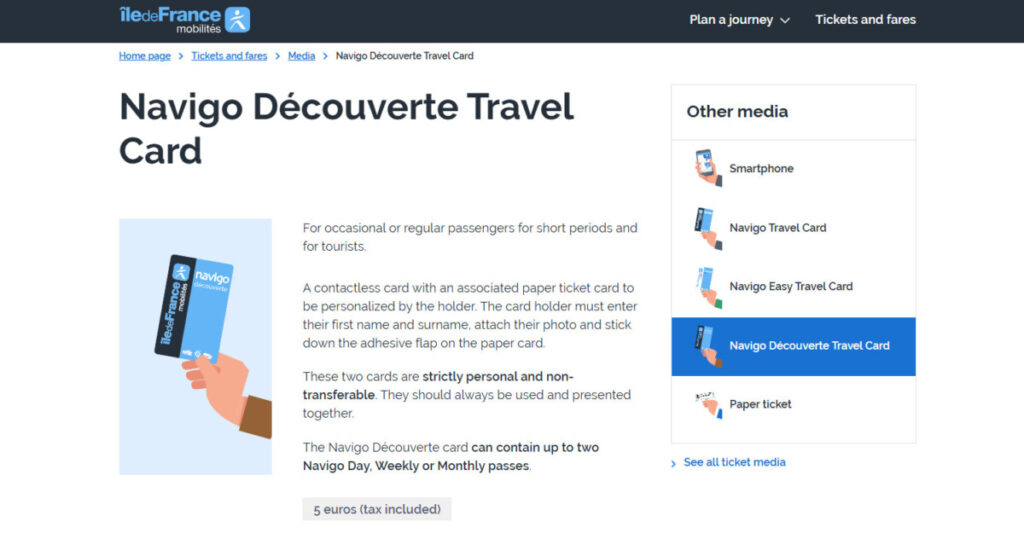
The IDFM (Île-de-France Mobilités) app is your lifeline for Paris public transit updates. It covers not just RoissyBus but all backup options—metro, RER, and regular bus lines that could get you to the airport.
Real-time disruption alerts appear immediately when services change. You’ll see if RER B is running normally (your likely backup plan) or if there are delays there too. The app also calculates alternative routes automatically, showing you multiple ways to reach CDG with current travel times based on actual conditions.
Google Maps works well as a secondary resource, but it sometimes lags behind on Parisian transit updates. I keep both apps handy because IDFM occasionally has interface issues, and switching between them gives you the most complete picture. Set up notifications for your planned routes so you’re not constantly checking—the apps will alert you when something changes.
See Related: CDG Airport Tips: Essential Hacks for a Smooth Journey
Frequently Asked Questions

Transportation disruptions create stress, especially when you’re catching a flight. The RoissyBus ending in March 2026 means you’ll need to know your backup options, who to call when things go wrong, and where to buy last-minute tickets.
What alternatives are available if RoissyBus service is interrupted?
When RoissyBus isn’t running, you’ve still got a few decent ways to get to CDG. The RER B train zips from Gare du Nord to the airport in about 35 minutes, but honestly, you’ll probably end up squeezing past other travelers with your luggage, especially during rush hour.
There’s also Metro Line 14, which connects to Bus 9517 at Saint-Denis-Pleyel station. But let’s be real: that transfer can tack on another 15 to 25 minutes. If you’re hauling suitcases or wrangling kids, it can get pretty frustrating.
If you want something faster and don’t mind paying more, the CDG Express leaves from Gare de l’Est. It costs €24 per trip, gets you to the airport in 20 minutes, and actually has space for your bags.
You could also book a private shuttle or shared ride in advance. Some of these services pick you up right at your hotel, which sure beats dragging your stuff up and down Metro stairs.
How can I secure transport from CDG to downtown Paris during a bus cancellation?
Honestly, booking your backup ride before you even leave for the airport saves a ton of stress. Too many people end up huddled around a dying phone at CDG, trying to figure out what to do next.
Grab the RATP and SNCF apps before your trip. They’ll give you real-time updates and let you buy tickets straight from your phone—no need to hunt for a ticket machine with a line a mile long.
Save the numbers for a couple of reliable taxi companies in your contacts. Licensed taxis at CDG charge fixed rates to central Paris, so you don’t have to worry about getting ripped off if things go sideways.
And seriously, stashing a backup credit card somewhere other than your main wallet? That move has saved me more than once. You never know when a card reader will just decide it doesn’t like your main card.
Who do I contact for information when there’s a disruption in RoissyBus service?
Île-de-France Mobilités runs public transport in Paris, including decisions about RoissyBus ending. If you need them, call 3975 from France or +33 1 76 77 39 75 from abroad.
RATP handles the buses and Metro. Give them a ring at 3424 or check their website for the latest service alerts. Staff at the big Metro stations usually know what’s going on and can help you figure out another route.
CDG Airport info desks—one in every terminal—are surprisingly helpful. The staff speak English and often know about disruptions before the apps even update.
And don’t forget your hotel concierge. They deal with transport headaches all the time and usually have a couple of trusted transfer contacts up their sleeve.
Where can I purchase tickets for alternative transportation from CDG if the Roissybus is not running?
Every CDG terminal has RATP ticket machines selling Metro, RER, and bus tickets. The machines take credit cards with chips and show instructions in English, which is a relief if your French is rusty.
You can grab RER B tickets right at the airport train station. The ticket counters have real people—sometimes helpful, sometimes harried—ready to answer questions, though lines can get pretty long when things are busy.
If you want to skip the lines, the Île-de-France Mobilités app lets you buy digital tickets on your phone. Download it while you still have wifi at your hotel or Airbnb, since airport wifi can be hit or miss.
CDG Express tickets are up for grabs through their app or website. If you’re coming from Gare de l’Est, you can pick them up there too.
For private shuttle rides, you’ll have to book online ahead of time. Most companies want payment when you reserve, which honestly makes things easier—no scrambling for cash or cards when you’re tired from your flight.
Find Things to Do in Paris
Find Accommodation

Continue Planning Your Paris Trip
How to Plan a Babymoon Trip to Paris: 5 Essential Steps for Expecting Couples
Planning a Paris babymoon? Travel in your second trimester, book a hotel with an elevator and AC, and…
Read Guide →
Do US Citizens Need a Visa to Visit Paris? Essential Rules to Know
Planning a trip to the City of Light? Good news—visiting Paris is pretty easy for Americans. US citizens…
Read Guide →Paris Fashion Week Travel Guide: Ultimate Insider Tips and Hotspots
You don't need a runway seat to experience Paris Fashion Week. Catch street style, designer boutiques, pop-up installations,…
Read Guide →