
The morning light filters through the wrought-iron gates of a Haussmann building as a sleek Citroën descends into one of Paris’s elegant underground parking facilities. Below the cobblestoned streets and beneath the café terraces where Parisians sip their morning espresso lies an intricate network of parking spaces—a hidden infrastructure that has become essential to life in the French capital. After seven years navigating these subterranean spaces and countless hours researching Paris’s parking ecosystem, I’ve developed a comprehensive understanding of how to master underground parking in the City of Light.
Table of Contents
- The Ultimate Guide to Underground Parking in Paris: Navigate the City’s Hidden Infrastructure with Confidence
- The Major Players: Who Operates Paris’s Underground Parking
- Strategic Parking by Neighborhood: A Local’s Perspective
- The 1st Arrondissement: Heart of Historic Paris
- The 4th Arrondissement: The Marais District
- The 7th Arrondissement: Eiffel Tower Vicinity
- The 8th Arrondissement: Champs-Élysées Sector
- Navigating the Payment System: A Technical Guide
- The Standard Process
- Modern Alternatives
- Pricing Demystified: What to Actually Expect
- Hourly Rates by Zone
- Daily and Extended Rates
- Monthly Subscriptions: For Extended Stays
- Advanced Booking Strategies: Securing Your Space
- When to Book
- Booking Platforms Compared
- Cultural Considerations: Parking Etiquette and Expectations
- “Touch Parking”: A Parisian Tradition
- Security and Valuables
- Compact Spaces and European Dimensions
- Seasonal Variations: Adjusting Your Strategy
- Spring (March-May): The Awakening
- Summer (June-August): The Paradox
- Autumn (September-November): The Sweet Spot
- Winter (December-February): Festive and Quiet
- Alternative and Emerging Options
- Private Parking Platforms
- Park-and-Ride: The Périphérique Solution
- Electric Vehicle Considerations
- Practical Mastery: The Details That Matter
- Payment Methods and Cards
- Height and Dimension Restrictions
- The “Point Zero” Parking Legend
- Emergency Procedures
- The Complete Planning Checklist
- Looking Forward: The Future of Parisian Parking
- Final Reflections: Mastering Subterranean Paris
- Find Things to Do in Paris
- Find Accommodation
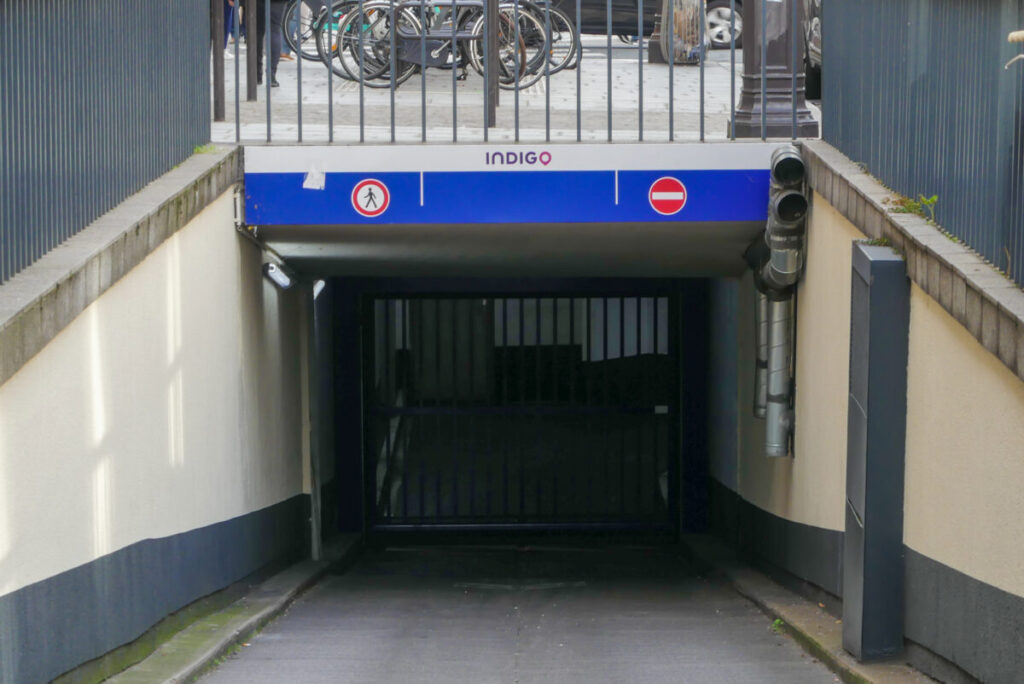
Paris’s relationship with the automobile has always been complex. The city’s medieval street pattern, overlaid with Baron Haussmann’s 19th-century boulevards, was never designed for the volume of vehicles that now traverse it.
This historical constraint has not only made underground parking convenient but also essential. Today, nearly 100 major underground facilities dot the city, from the tourist-heavy areas around the Louvre to the residential neighborhoods of the 15th arrondissement.
The sophisticated network of parkings souterrains (underground parking facilities) represents more than mere convenience—it embodies Paris’s approach to balancing historical preservation with modern necessity. These facilities range from brutalist concrete structures dating to the 1960s to contemporary spaces featuring LED lighting and automated payment systems. Understanding this landscape is your first step toward stress-free parking in Paris.
The Major Players: Who Operates Paris’s Underground Parking
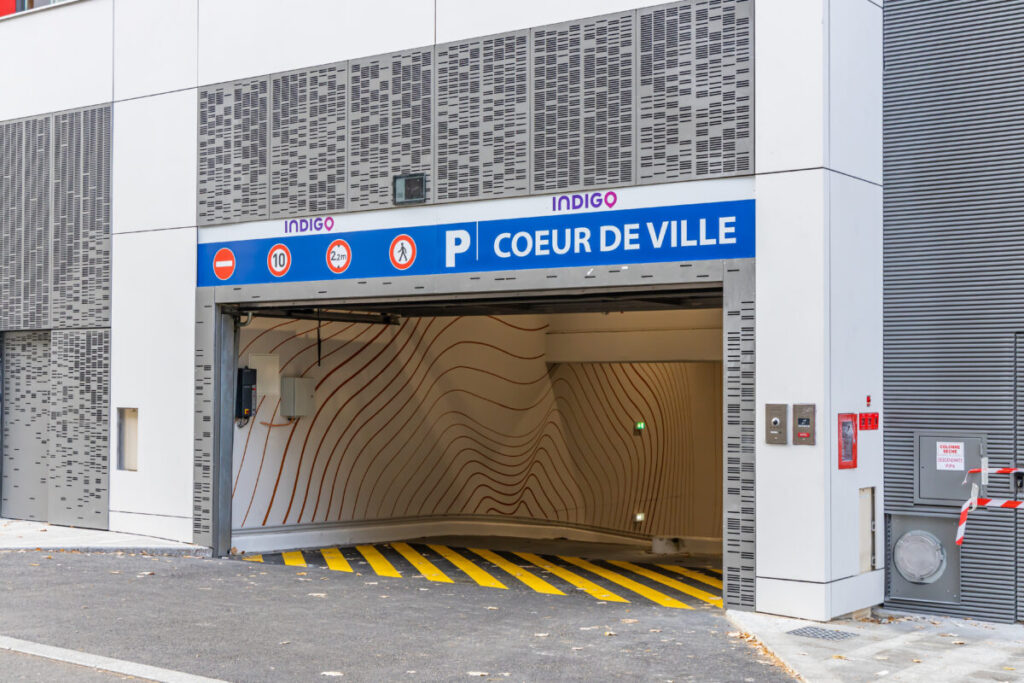
Three primary operators dominate Paris’s underground parking market, each bringing distinct characteristics and pricing structures:
Saemes: The Local Standard
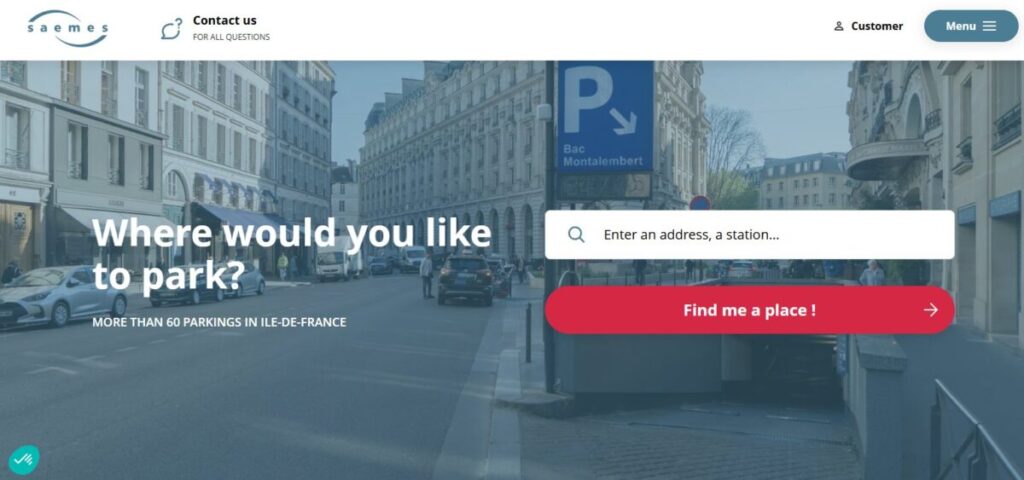
Managing over 67 car parks across the Île-de-France region, Saemes represents the quintessential Parisian parking experience. As the second-largest parking operator in the region, their facilities typically feature traditional French efficiency—functional, secure, and strategically located near major attractions. The Saemes Pyramides facility near the Louvre, for instance, places you within a five-minute walk of the museum’s glass pyramid, while their Quai Branly location sits literally beneath the museum of the same name, just 400 meters from the Eiffel Tower.
Saemes facilities generally charge between €2.50 and €5 per hour, with daily rates averaging €20-25. Their booking system allows reservations, and many locations offer monthly subscriptions—particularly valuable if you’re spending an extended period in Paris. The aesthetic may lean utilitarian, but the security is comprehensive, with 24/7 surveillance and attendants at most locations.
Indigo: The Global Approach

As the world’s largest parking operator, Indigo brings international standards to nearly 100 Parisian locations. Their facilities often feature more modern amenities—think better lighting, clearer signage in multiple languages, and more sophisticated payment systems. The Indigo Neo application allows seamless booking and payment, eliminating the sometimes-frustrating interaction with older payment terminals.
Indigo’s pricing aligns closely with Saemes, though their premium locations (near the Champs-Élysées or in the Marais) can command higher rates. What distinguishes Indigo is its focus on additional services: many facilities feature electric vehicle charging stations, bicycle parking (they call it “Cyclopark”), and partnerships with Total for their GR fuel card payment system.
Q-Park: The Strategic Alternative
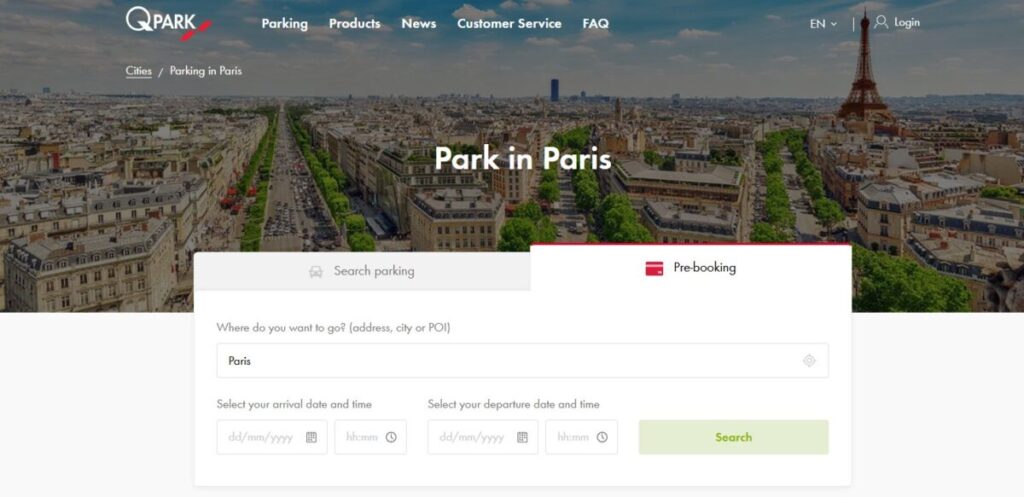
Operating fewer facilities than the major players, Q-Park focuses on strategic locations near major transport hubs and cultural sites. Their booking system guarantees your space—a significant advantage during peak tourist seasons or major events. Q-Park facilities maintain a slightly more premium feel, with particular attention to lighting and wayfinding.
Their online reservation system (Q-Park Resa) allows you to pre-pay, eliminating the need to interact with payment terminals upon exit. This proves especially valuable during rush hours when payment queues can extend frustratingly. Expect to pay €4.70 for the first hour, with 24-hour rates around €42.30 at central locations.
See Related: Paris in March: Top Attractions and Events to Explore
Strategic Parking by Neighborhood: A Local’s Perspective
The 1st Arrondissement: Heart of Historic Paris
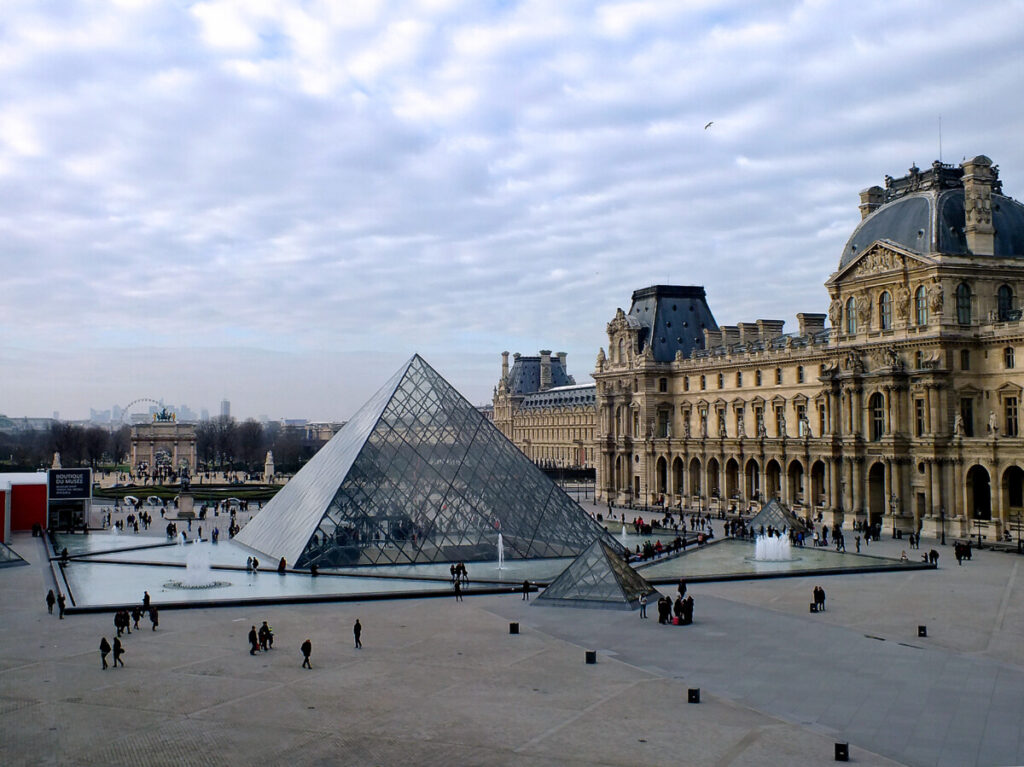
Parking Pyramides (15 Rue des Pyramides)
This Saemes facility embodies strategic positioning—equidistant from the Louvre, Palais Royal gardens, and the shopping arcades of Rue de Rivoli. The entrance, marked by the ubiquitous blue “P” sign, descends into a well-maintained facility where spaces, while compact by American standards, accommodate standard European vehicles comfortably.
Arrive before 9 AM on weekdays to secure the best spots on the upper levels, which offer quicker exit access. The facility sees heavy usage from 10 AM to 6 PM, particularly during tourist season (April through October). Current rates hover around €4.50 per hour, with a 12-hour maximum of approximately €45.
Insider tip: The pedestrian exit deposits you near Rue Saint-Honoré, where you’ll find some of Paris’s most refined pâtisseries. Consider booking your spot through the Saemes app to guarantee availability during museum exhibition openings.
The 4th Arrondissement: The Marais District

Parking Baudoyer (Place Baudoyer)
Situated in the heart of the Marais, this facility provides access to the neighborhood’s medieval streets, contemporary art galleries, and exceptional falafel vendors. The Marais’s narrow streets make street parking virtually impossible; this underground option becomes not just convenient but necessary.
The parking’s location near the Hôtel de Ville (Paris City Hall) means it fills quickly during business hours and wedding season (yes, many couples marry at the city hall). Weekend access proves easier, though the Marais’s popularity among both tourists and locals means planning remains essential. Rates mirror other central locations—expect €4-5 per hour.
Cultural context: The Marais’s Jewish Quarter heritage and contemporary LGBTQ+ community convergence make this neighborhood particularly vibrant on Sundays when most Paris businesses close. The parking becomes a gateway to this unique atmosphere.
The 7th Arrondissement: Eiffel Tower Vicinity
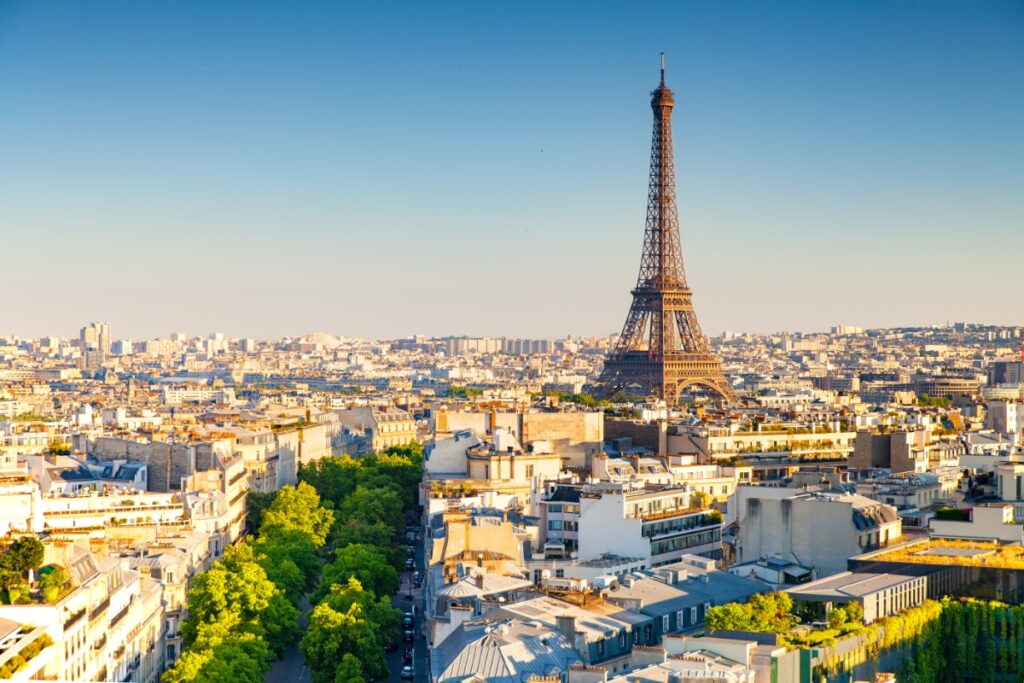
Parking Quai Branly – Tour d’Eiffel (27 Quai Branly)
Perhaps Paris’s most tourist-focused underground facility, this parking sits beneath the Musée du Quai Branly – Jacques Chirac, placing you within a ten-minute walk of the Eiffel Tower. The facility’s modern design reflects its relatively recent construction, with wider spaces and better lighting than older installations.
During high season (May through September), this parking reaches capacity by mid-morning. Book 48 hours in advance through the Saemes website or app. The €5 per hour rate reflects the premium location, but the convenience of avoiding the nightmare of street parking near the Tower justifies the cost. The 24-hour rate approximates €25-30.
Strategic timing: Visit the Eiffel Tower at sunset, parking your car in the early afternoon when the tourist crowds have peaked but before the evening rush. This timing offers the best value for your parking euro while providing that magical heure bleue (blue hour) experience at the Tower.
The 8th Arrondissement: Champs-Élysées Sector
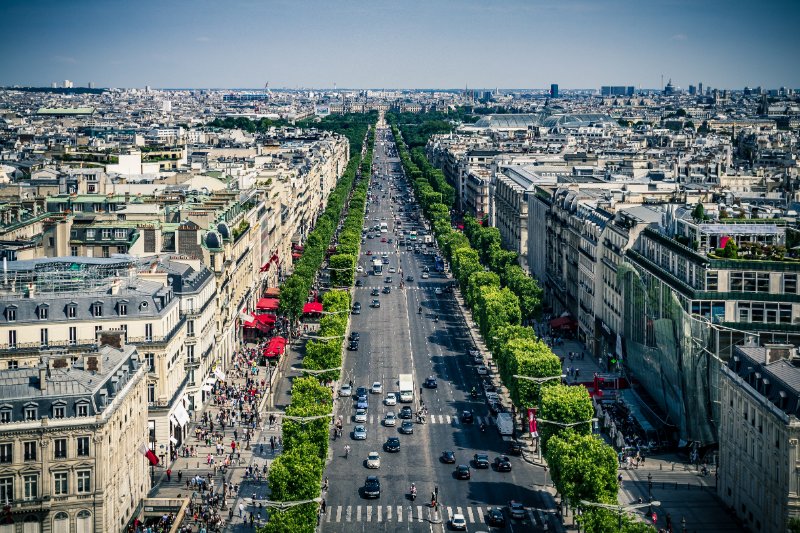
Interparking Wagram (Avenue de Wagram)
While technically just outside the most expensive Champs-Élysées parking zone, this facility offers remarkable value—sometimes as low as €1 per hour through strategic booking. The location provides easy walking access to the Arc de Triomphe while avoiding the premium pricing of facilities directly on the avenue.
This represents the type of insider knowledge that distinguishes experienced Parisian visitors from tourists: accepting a five-minute additional walk can reduce your parking cost by 70%. The facility maintains good security and reasonable cleanliness, with the primary compromise being slightly older infrastructure compared to premium locations.
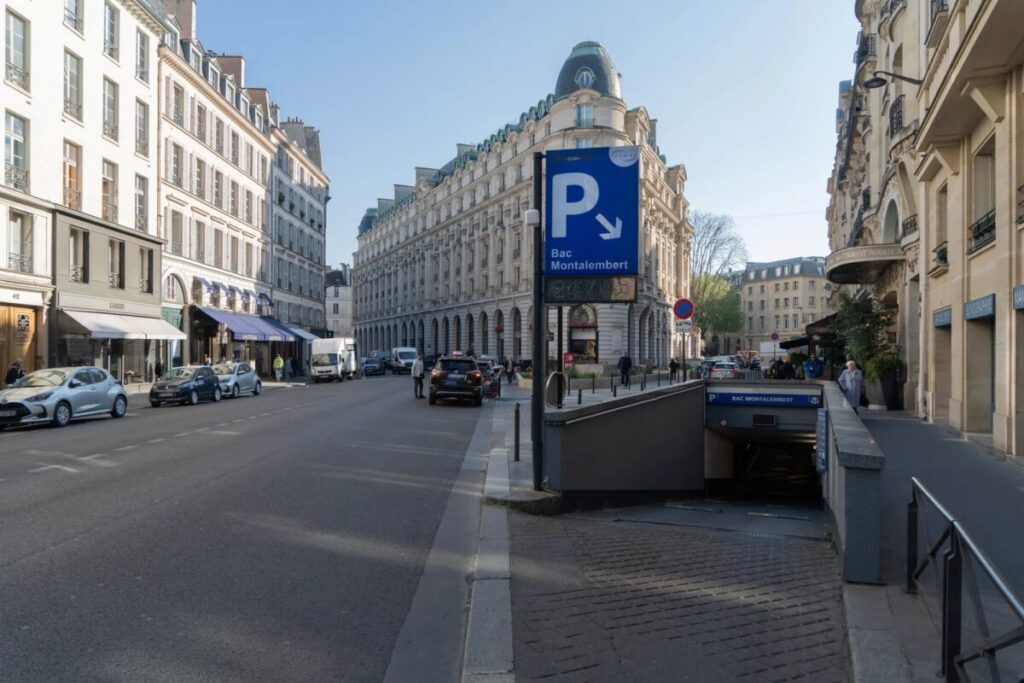
The payment infrastructure in Paris’s underground parking facilities has evolved significantly, though you’ll still encounter both modern digital systems and traditional machines that require patience and precise coin insertion.
The Standard Process
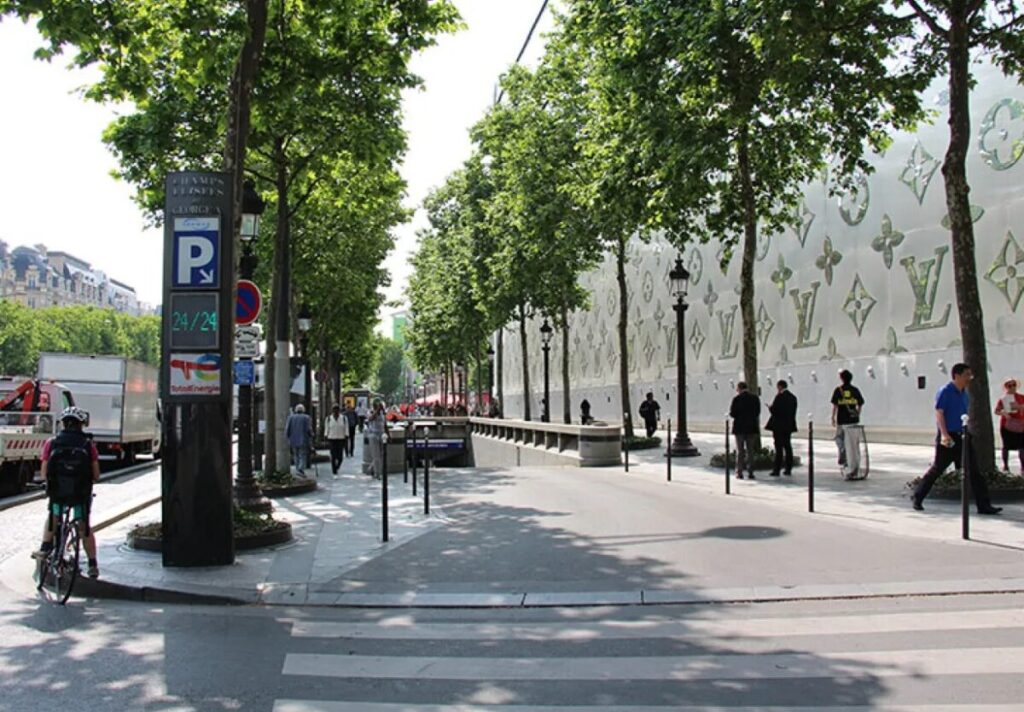
- Entry: At the facility entrance, you’ll encounter a barrier with a button marked “Ticket” or displaying a ticket symbol. Press firmly—French machines sometimes require more pressure than you’d expect. A ticket emerges, the barrier rises, and you have approximately 30 seconds to drive through. Keep this ticket secure; losing it results in paying the maximum daily rate.
- Finding Your Space: Most facilities use a zone system, with each level clearly marked. Premium spaces (often shorter walking distances to elevators) command no additional fee—it’s first-come, first-served. Note your zone and level; unlike American parking structures, European facilities often lack the elaborate wayfinding systems you might expect.
- Pre-Payment: Before retrieving your vehicle, locate a payment terminal (usually near elevators or main pedestrian exits). Insert your ticket, review the calculated charge, and pay via credit card. The machine returns your ticket, now validated for exit. You typically have 15 minutes to exit after payment without incurring additional charges.
- Exit: Insert the validated ticket at the exit barrier. If you’ve exceeded your grace period, the machine displays the additional charge—you’ll need to return to a payment terminal or pay at the exit gate using contactless payment.
Modern Alternatives
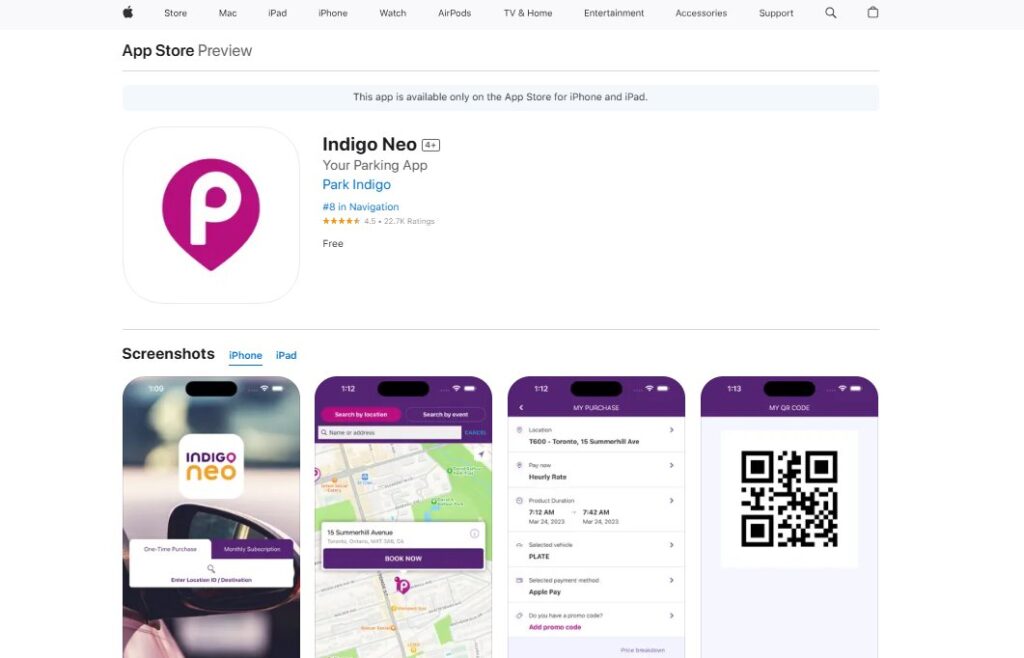
The Indigo Neo, Saemes app, and Q-Park reservation systems increasingly allow license plate recognition technology, eliminating tickets. Your reservation links to your license plate; cameras at entry and exit automatically process your passage. This proves particularly valuable when juggling shopping bags, travel companions, and the general chaos of Parisian life.
Payment apps like PaybyPhone, ParkNow, and Flowbird integrate with many facilities, though coverage remains incomplete. Download these before arriving, as setting them up while standing at a payment terminal with impatient Parisians queuing behind you creates unnecessary stress.
Pricing Demystified: What to Actually Expect

Paris’s underground parking pricing follows a complex structure influenced by location, time, and operator. Understanding these variables helps you budget effectively and identify value opportunities.
Hourly Rates by Zone
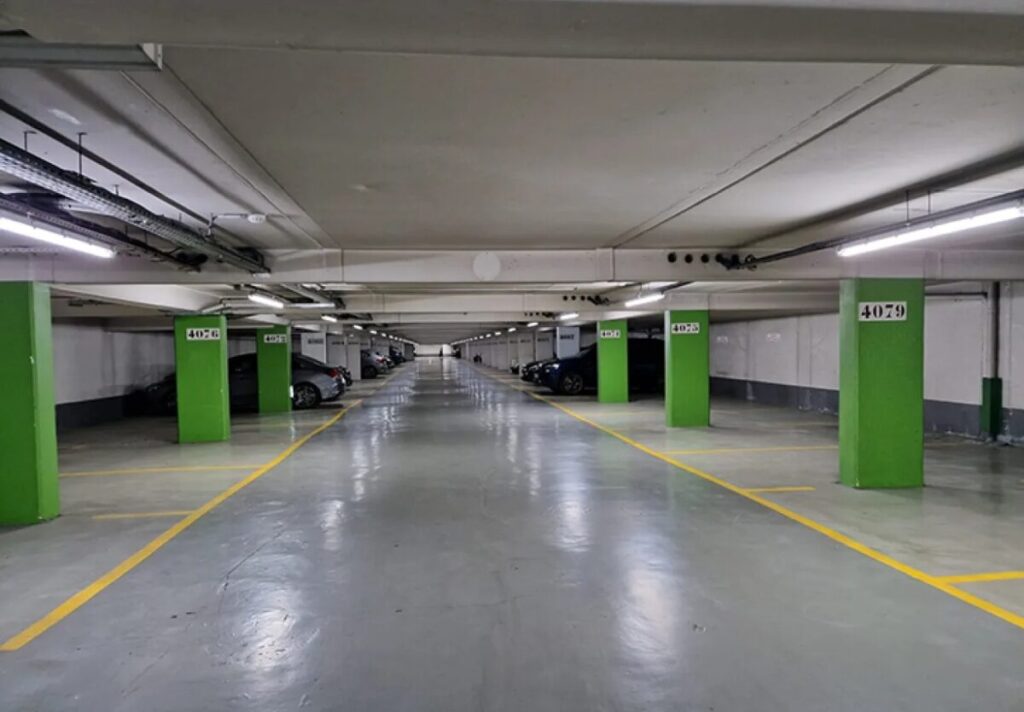
Zone 1 (1st-11th Arrondissements): The city’s central core commands premium pricing. Expect €4-6 per hour, with some facilities near major attractions reaching the upper end. The first hour often costs slightly less (€3-4.50), with subsequent hours at the full rate.
Zone 2 (12th-20th Arrondissements): Outer arrondissements, while still within city limits, offer more moderate pricing at €2.40-4 per hour. These locations work well if your destination sits near a metro line—park in a less expensive area and take public transport to tourist centers.
Daily and Extended Rates
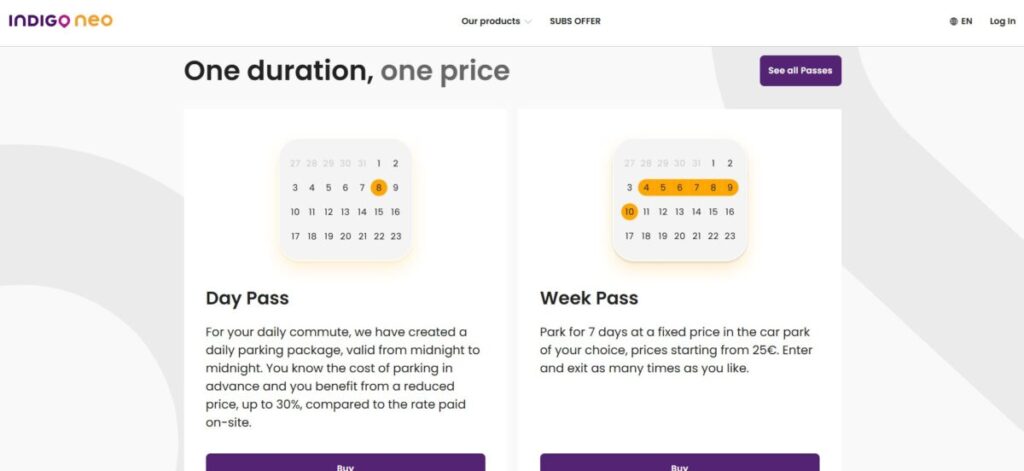
Most facilities cap daily rates at €20-30 for 24 hours, making extended parking relatively economical compared to repeated hourly charges. However, “24 hours” means a rolling 24-hour period from your entry time, not a calendar day. Enter at 3 PM on Monday, and your daily rate expires at 3 PM on Tuesday.
Weekend rates often provide better value, with some facilities offering €25-30 for the entire weekend (Friday evening through Monday morning). This proves particularly advantageous if you’re staying at a hotel without parking and need to secure your vehicle for multiple days.
Monthly Subscriptions: For Extended Stays
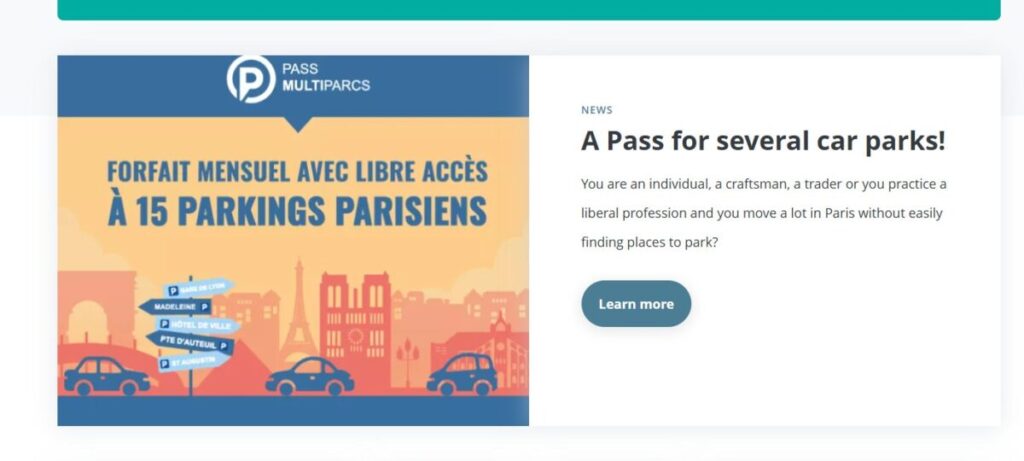
If your Paris stay extends beyond a week, monthly subscriptions offer dramatic savings. Saemes, Indigo, and Q-Park all provide subscription options ranging from €150-300 per month, depending on location. The contract-free nature of these subscriptions (typically cancelable with one month’s notice) makes them accessible even for medium-term visitors.
See Related: Solo in Paris: Top Attractions for the Independent Explorer
Advanced Booking Strategies: Securing Your Space
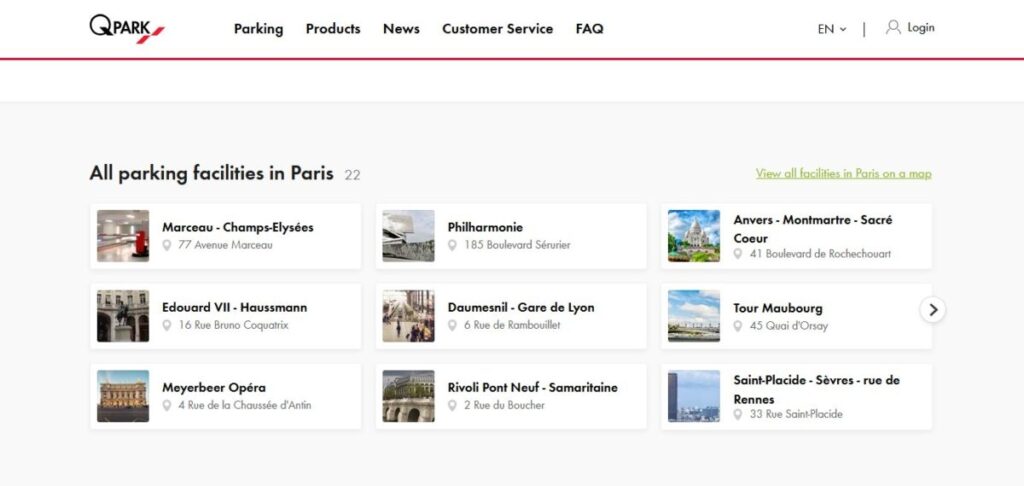
The era of arriving and hoping for availability has passed. Paris’s parking demands, especially in central locations and during peak seasons, make booking essential for stress-free experiences.
When to Book

- Major Events: Fashion Week, the French Open, Bastille Day, and Christmas markets cause parking to fill days in advance. Book at least one week ahead for these periods.
- Museum Exhibitions: Major museum exhibitions (particularly at the Louvre, Musée d’Orsay, and Centre Pompidou) create parking pressure. Check exhibition schedules and book 48 hours in advance during these periods.
- Standard Tourism: For general Paris visits during moderate seasons (April-June, September-October), a 24-48-hour booking provides sufficient security.
- Winter and August: These represent Paris’s quietest periods. August, when Parisians traditionally vacation elsewhere, offers the city’s easiest parking. You can often book same-day, though booking still guarantees your preferred location.
Booking Platforms Compared
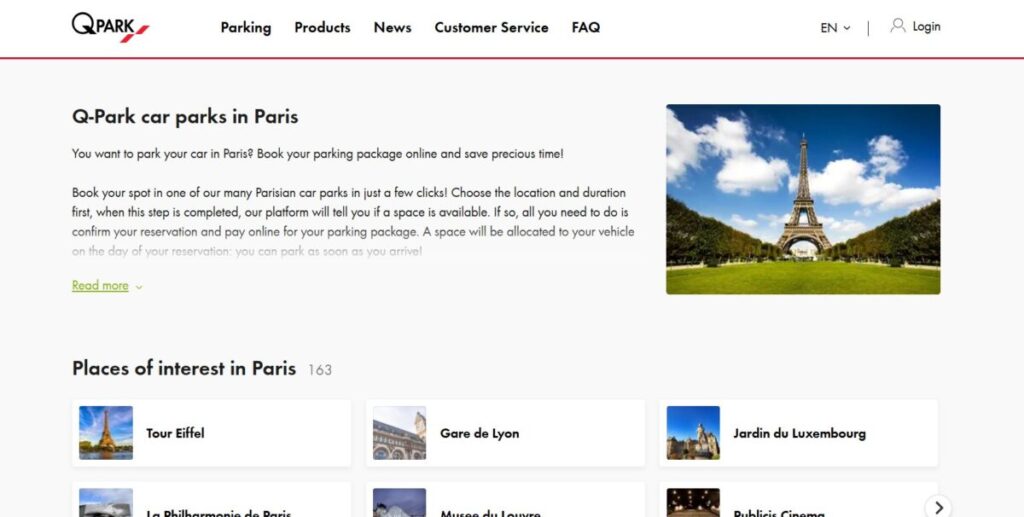
Direct Operator Websites (Saemes.fr, Q-Park.fr, Indigo.fr)
Booking directly often provides the best rates, as third-party platforms add commission fees. However, navigating French-language websites can challenge non-French speakers, despite English options. The tradeoff: potentially 10-20% savings versus user-friendly international platforms.
Aggregator Sites (Parclick, OnePark, Parkingsdeparis)
These platforms compare multiple facilities and operators, presenting options by price, location, and amenities. The markup typically ranges from 5-15%, but the convenience of comparing all available options in one interface justifies the premium for many visitors. Parclick’s English-language interface and clear cancellation policies make it particularly popular among international travelers.
Hotel Partnerships
Many Paris hotels negotiate rates with nearby parking facilities. If you’re staying at an establishment in a central arrondissement, inquire about parking partnerships before booking independently. Hotels sometimes secure €15-20 daily rates that significantly undercut public pricing.
Cultural Considerations: Parking Etiquette and Expectations
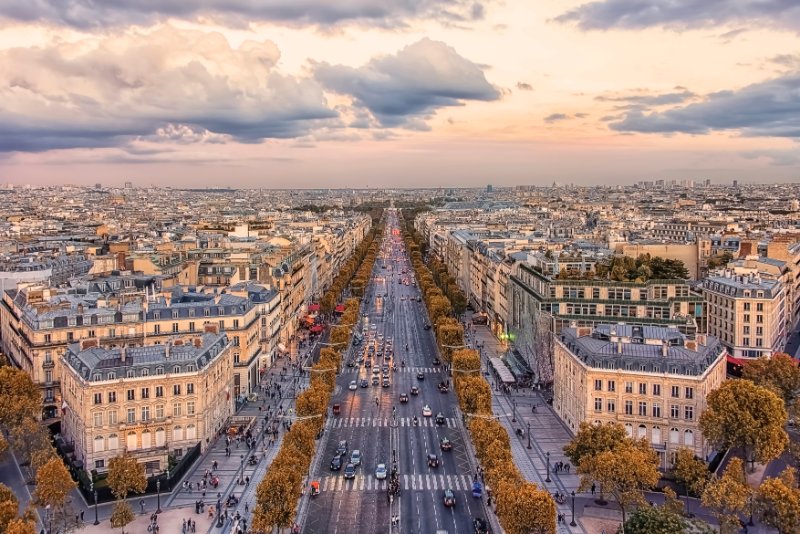
Paris’s parking culture reflects broader French social norms—a complex dance of stated rules and unspoken understandings that can perplex international visitors.
“Touch Parking”: A Parisian Tradition
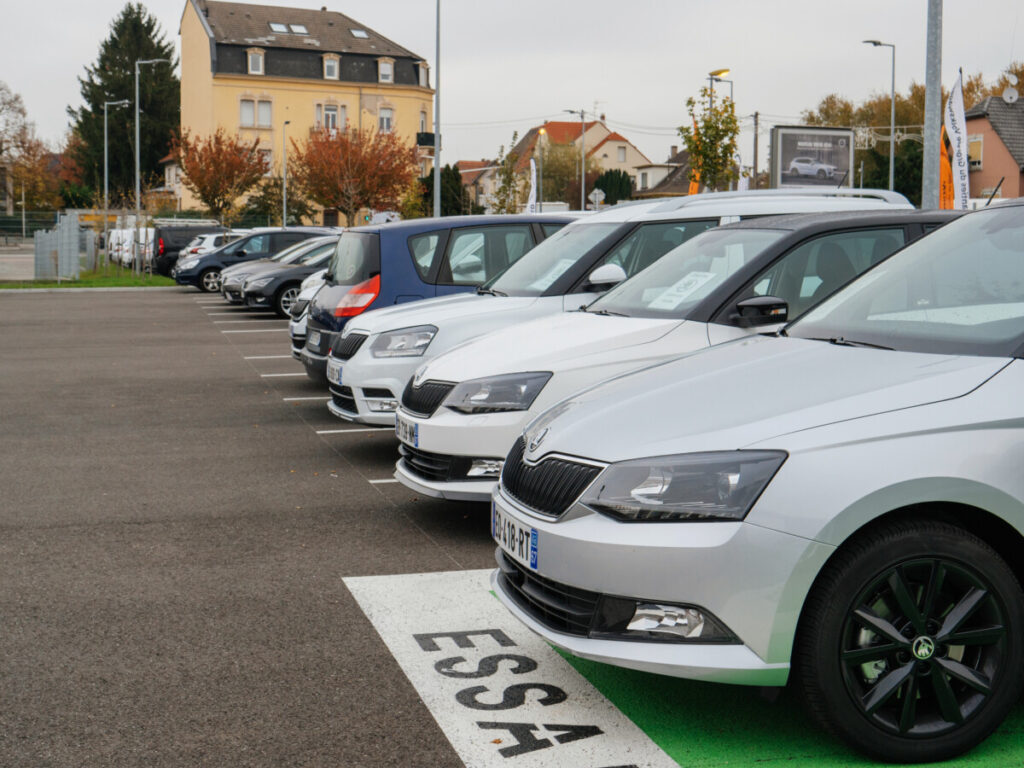
One of Paris’s most surprising customs: touch parking, where drivers gently (or not-so-gently) nudge the cars in front and behind when parallel parking. This practice, technically illegal but widely tolerated, reflects the density of Parisian life. When using underground parking, this becomes less relevant, but understanding this cultural context helps you appreciate why Parisians prioritize secure underground spaces.
If you’re renting a vehicle in Paris, comprehensive insurance becomes non-negotiable. Even in underground facilities, the compact spaces and sometimes challenging maneuvering result in minor scrapes that rental companies don’t overlook.
Security and Valuables
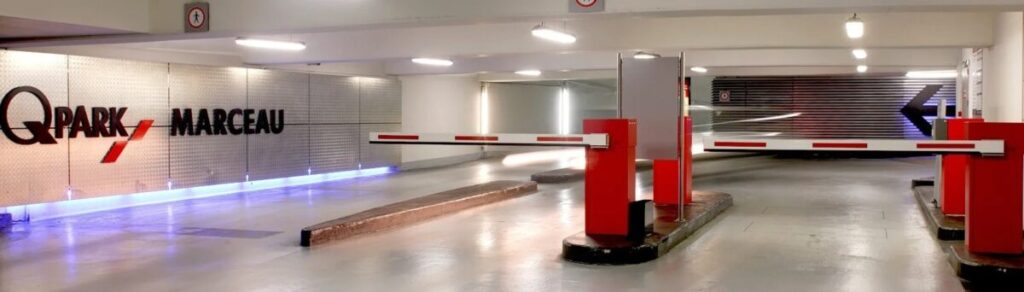
Paris’s underground parking facilities maintain good overall security, with 24/7 surveillance, security personnel, and controlled access. However, leaving visible valuables in your vehicle invites problems. Even expensive-looking sunglasses, shopping bags, or GPS devices can tempt opportunistic thieves.
French practice: Use your trunk for storage. If items must remain in the passenger compartment, place them in the glove box or beneath seats. The goal isn’t invisibility—motivated thieves can access any vehicle—but avoiding the appearance of easy opportunity.
Compact Spaces and European Dimensions
American drivers accustomed to generous parking spaces face adjustment in Paris. French parking spots accommodate French and European vehicles, which are significantly smaller than American models.
If you’re driving an SUV or large sedan, verify that your chosen facility accommodates your vehicle’s dimensions. Some older facilities restrict vehicle height to 1.9 meters or width to 2.1 meters.
The compact spaces also mean parking requires attention and sometimes multiple attempts. Don’t feel embarrassed—even Parisians occasionally struggle with particularly challenging spots. The lack of space also explains why backup cameras and parking sensors have become standard on French vehicles.
Seasonal Variations: Adjusting Your Strategy

Paris’s parking landscape shifts dramatically across seasons, with each period presenting unique challenges and opportunities.
Spring (March-May): The Awakening
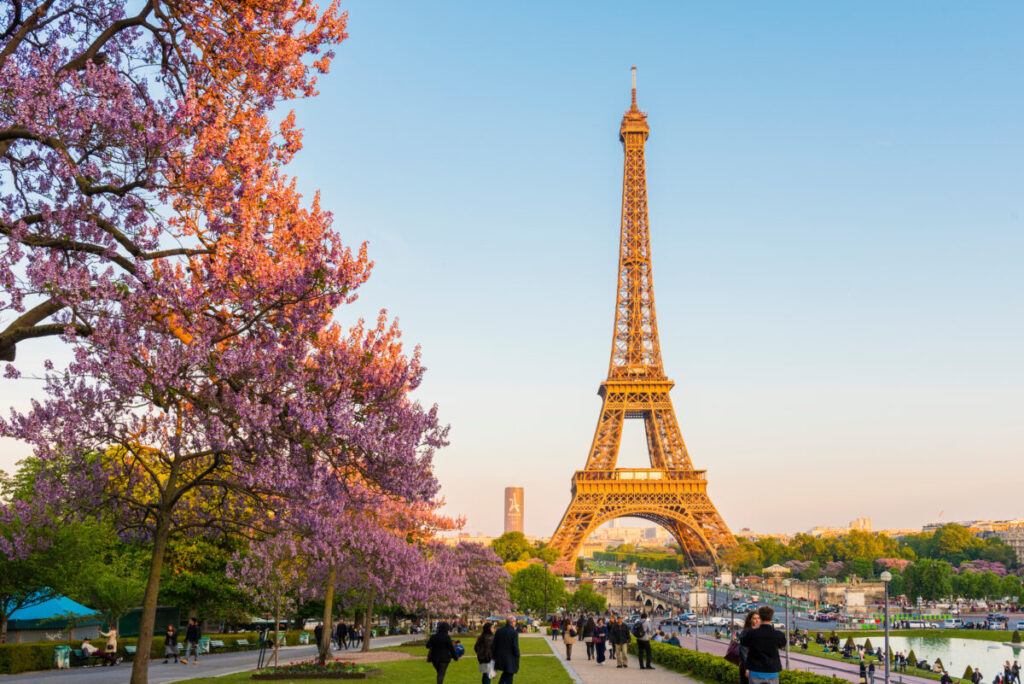
As cherry blossoms emerge along the Seine and café terraces reopen, Paris parking demands surge. Fashion Week in late February/early March initiates the busy season, followed by Easter holidays and the beginning of tourist season. Museums, particularly the Louvre and Musée d’Orsay, see increased visitation.
Strategy: Book central facilities 48-72 hours in advance. Consider park-and-ride facilities on the city’s periphery, combining metro access with parking economics. The weather’s improvement makes walking longer distances more pleasant, expanding your practical parking radius.
Summer (June-August): The Paradox

Summer presents Paris’s most complex parking scenario. June and early July bring peak tourism, with facilities near major attractions (Eiffel Tower, Notre-Dame, Louvre) booking solid.
Then August arrives, and Paris empties as locals decamp for Mediterranean beaches or mountain retreats. This creates a peculiar dynamic: challenging parking early summer, followed by the year’s easiest parking in August.
Historical note: Until 2021, Paris offered free street parking throughout August—a tradition dating to when the city truly closed for the month. While that free parking has ended, August’s reduced parking pressure in underground facilities remains tangible.
Strategy: For June and July visits, book as far in advance as possible and expect to pay premium rates. August visitors can book shorter-term stays and may find same-day availability even at popular locations.
Autumn (September-November): The Sweet Spot

September brings la rentrée—the return. Parisians flow back to the city, cultural institutions premiere new exhibitions, and business activity resumes. Yet tourist numbers decline from summer peaks, creating a balanced parking environment. October’s arrival of autumn foliage in the Tuileries and Luxembourg Gardens coincides with pleasant parking availability.
November sees increased parking pressure around major department stores (Galeries Lafayette, Printemps) as locals begin holiday shopping. The facilities near Boulevard Haussmann fill earlier and stay fuller throughout the day.
Strategy: Standard 24-48 hour booking suffices. Consider facilities near parks and gardens—Parking Luxembourg or Parking Montsouris—which provide both parking and gateway access to Paris’s most beautiful autumn scenery.
Winter (December-February): Festive and Quiet
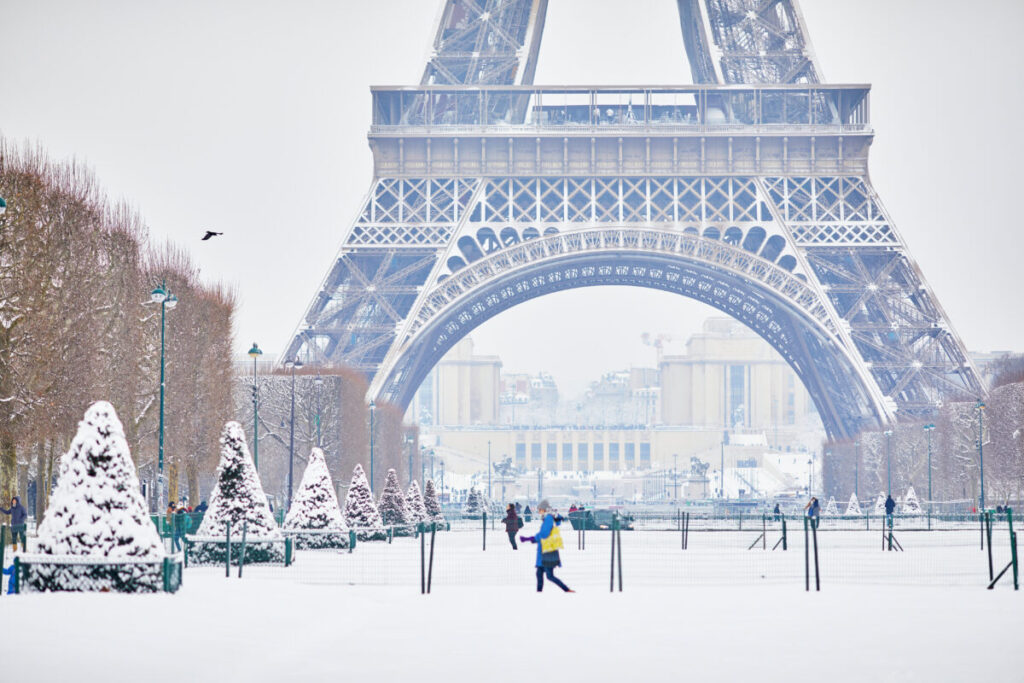
December’s holiday season brings Christmas markets, illuminated displays along the Champs-Élysées, and festive shopping. Parking facilities near major shopping districts and Christmas markets require booking. However, the period between January 2 and early February offers Paris’s quietest parking conditions outside of August.
The colder weather makes covered, heated parking particularly appealing. Most underground facilities maintain comfortable temperatures year-round—a significant advantage over open-air alternatives.
Strategy: For December, book facilities near your specific destinations rather than central locations, as the dispersed nature of Christmas markets spreads parking demand across arrondissements. January and February allow more flexible booking, sometimes even same-day.
Alternative and Emerging Options
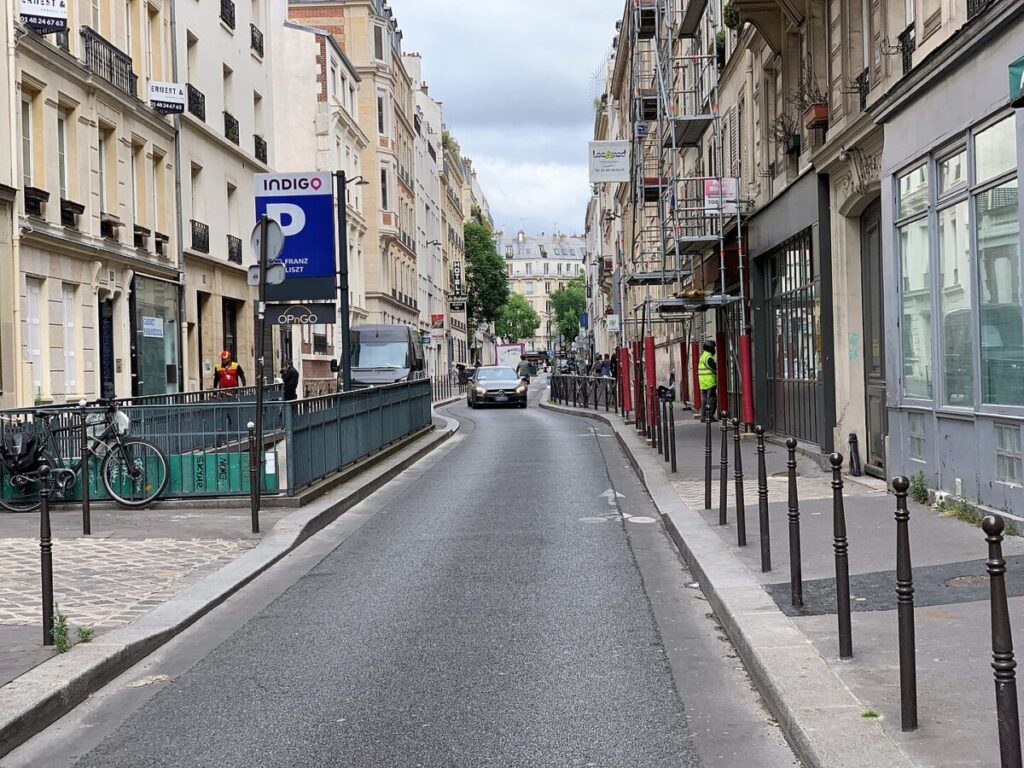
Paris’s parking ecosystem continues evolving, with new models emerging alongside traditional facilities.
Private Parking Platforms
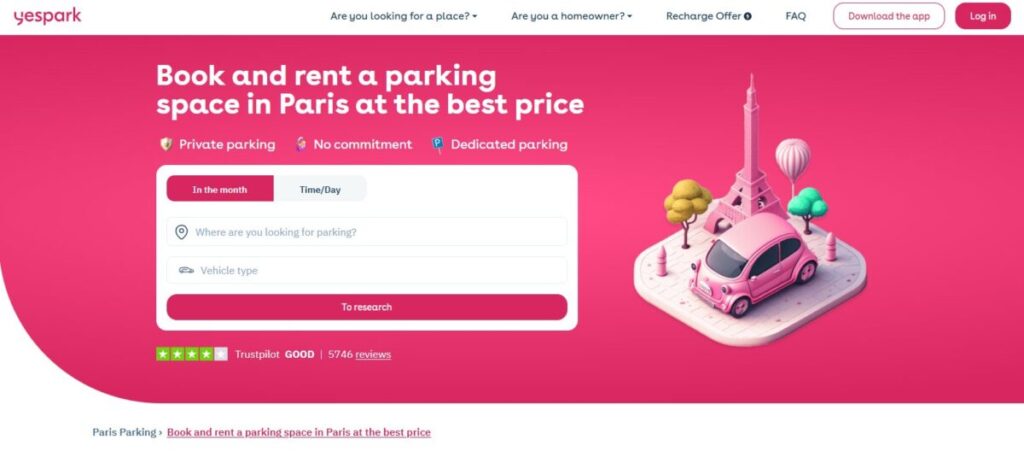
Yespark: This platform connects drivers with private parking spaces—residential garages, business parking outside operating hours, and similar unused spaces. Rates often undercut commercial facilities by 30-40%, with the tradeoff being less formal security. The Yespark app (available in English) simplifies booking and provides 24/7 access codes for automated entry.
Prendsmaplace and Casapark: Similar concepts allow you to rent parking from individual Parisians. These work particularly well for extended stays (weekly or monthly), where the personal connection with the space owner provides added security through relationship rather than surveillance. Rates can reach 50% below commercial alternatives.
Park-and-Ride: The Périphérique Solution

Paris’s parkings relais (park-and-ride facilities) sit just outside the city center, typically near metro or RER stations. These facilities offer dramatically lower rates—often €5-7 per day—with the compromise of a 20-30 minute metro journey to central Paris.
Strategic locations:
- Porte d’Orléans: RER B line provides direct access to Latin Quarter, Luxembourg Gardens, and Notre-Dame.
- Porte Maillot: Metro Line 1 reaches the Louvre, Champs-Élysées, and Marais efficiently.
- Porte de Vincennes: Access to Bastille, Marais, and eastern Paris via metro or RER A.
This strategy particularly suits visitors staying multiple days who don’t need constant vehicle access. Park your car for your entire visit, use public transportation for daily navigation, and retrieve your vehicle when departing Paris.
Electric Vehicle Considerations

Paris’s commitment to reducing vehicle emissions has resulted in expanding electric vehicle infrastructure. Both Indigo and Yespark now offer “ReCharge” options—parking spaces equipped with charging stations. While these command a premium (typically €2-3 more per hour), they eliminate range anxiety for EV drivers.
The city’s broader environmental initiatives include the Zone à Faibles Émissions (Low Emission Zone), which restricts older, more polluting vehicles. If you’re renting, requesting a recent-model vehicle ensures compliance with these restrictions.
See Related: Ultimate Guide to Navigating Paris’s Free Sundays at Museums
Practical Mastery: The Details That Matter
Payment Methods and Cards

Most Paris parking facilities accept international credit and debit cards, though machines can be particular about card types. Chip-and-PIN cards work most reliably; magnetic-strip cards sometimes encounter rejection. Contactless payment (under €50) increasingly functions at modern terminals.
Critical detail: Some older payment machines accept only French-issued cards. If your card repeatedly faces rejection, seek the facility’s office or attendant (usually stationed near the main entrance). They can process your payment manually, though this may involve waiting for their return from rounds.
Height and Dimension Restrictions
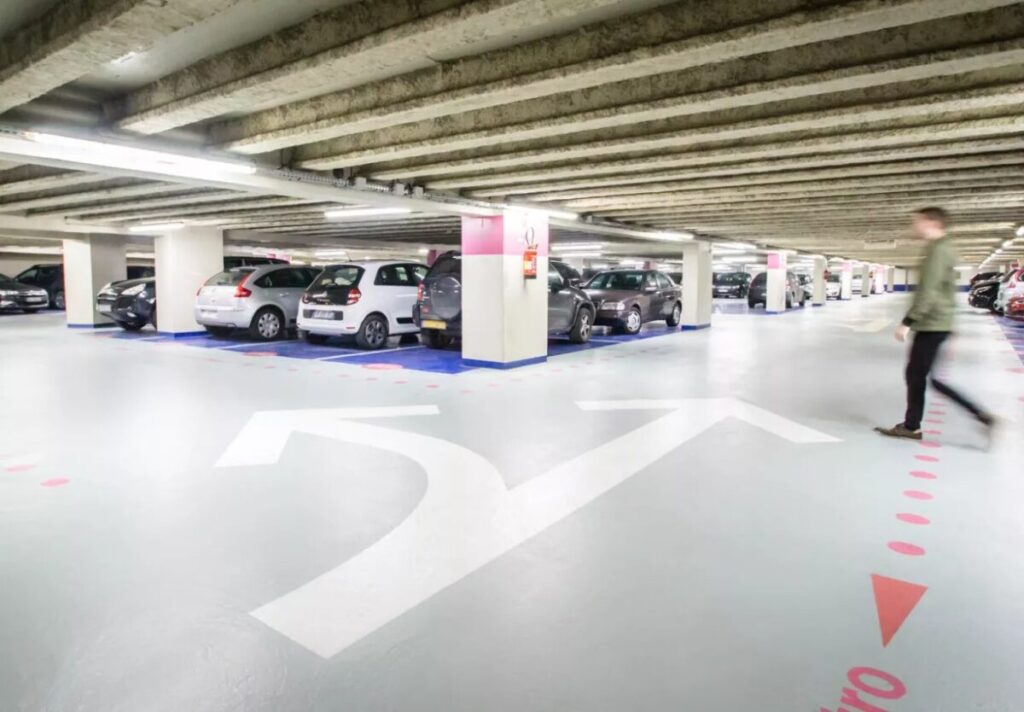
Underground facilities typically restrict vehicle dimensions:
- Height: 1.9-2.1 meters (6’3”-6’11”)
- Width: 2.1-2.3 meters (6’11”-7’7”)
- Length: 5.0 meters (16’5”) standard, though most spaces accommodate longer vehicles
Rental vehicles typically fall within these limits, but if you’re driving a high-roofed van, large SUV, or vehicle with roof storage, verify clearances before descending into a facility. The embarrassment of backing up the entry ramp with honking French drivers behind you is avoidable.
The “Point Zero” Parking Legend
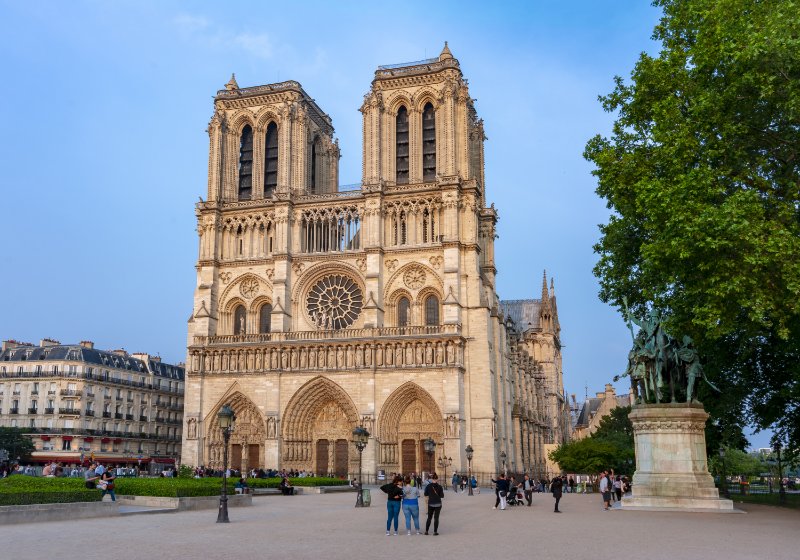
Local lore holds that the parking beneath Notre-Dame cathedral sits at Paris’s geographic center—the Point Zéro des routes de France, from which all distances in France are measured. While the facility does exist (Parking Notre-Dame, currently closed for cathedral restoration), the romantic notion of parking at Paris’s literal heart captures the city’s parking culture: practical necessity intertwined with historical significance.
Emergency Procedures
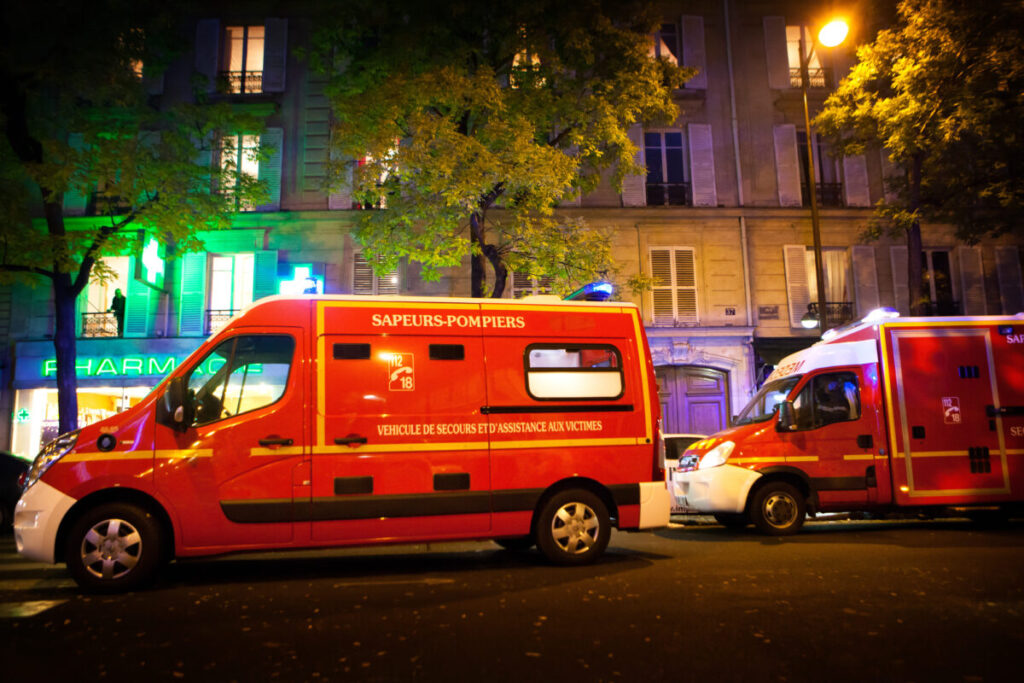
In the unlikely event of mechanical problems, medical emergencies, or other issues within a parking facility, intercoms at payment terminals and often on each level connect directly to facility management or security. Press the red button or the one marked “SOS” or “Aide.” Response times typically run 3-5 minutes during daytime hours.
For vehicle lockouts or mechanical issues, French law requires facilities to allow access to professional services (locksmiths, mechanics). However, call these services yourself rather than relying on facility recommendations, which may involve markup fees.
The Complete Planning Checklist

As you prepare to navigate Paris’s underground parking ecosystem, this checklist ensures you’ve addressed all critical elements:
Before Arrival:
- [ ] Research your destination’s nearest parking facilities
- [ ] Book parking 24-72 hours in advance (depending on season)
- [ ] Download relevant apps (Saemes, Indigo Neo, Parclick)
- [ ] Verify your credit card works internationally with chip-and-PIN
- [ ] Confirm your vehicle’s dimensions against facility restrictions
- [ ] Purchase comprehensive rental insurance if using a rental vehicle
- [ ] Save emergency numbers and facility contact information
Upon Arrival:
- [ ] Secure your entry ticket immediately
- [ ] Note your parking level and zone (take a photo if helpful)
- [ ] Remove or hide all valuables from visible areas
- [ ] Take note of the nearest pedestrian exit
- [ ] Verify your ticket before leaving the facility (pre-pay at terminals)
Departure:
- [ ] Pay at the terminal before retrieving your vehicle
- [ ] Verify you have 15 15-minute grace period
- [ ] Keep ticket accessible for exit barrier
- [ ] Allow extra time if departing during peak hours (5-7 PM weekdays)
Looking Forward: The Future of Parisian Parking
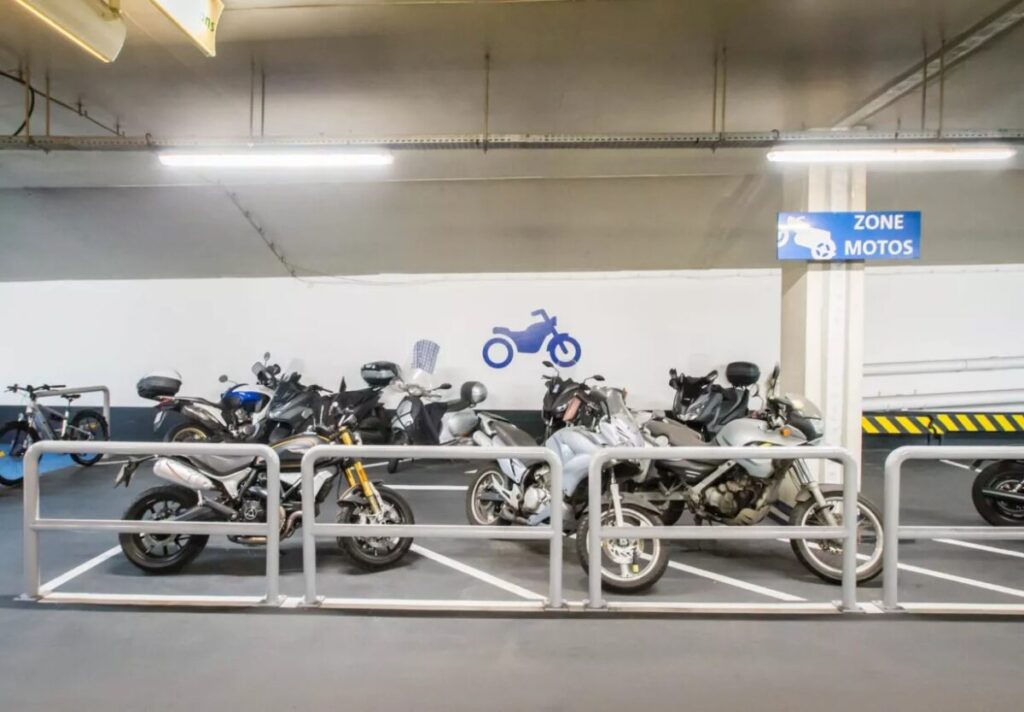
Paris’s parking infrastructure continues evolving to meet changing mobility patterns. The city’s commitment to reducing car usage—expanding pedestrian zones, bicycle infrastructure, and public transportation—might suggest underground parking’s decline. Instead, these facilities are transforming.
Many operators now envision parking facilities as mobility hubs, integrating electric vehicle charging, bicycle storage, car-sharing services, and even parcel delivery lockers. The underground spaces that once simply stored vehicles are becoming multifunctional urban infrastructure supporting various transportation modes and services.
This evolution means that understanding Paris’s underground parking system becomes increasingly relevant even as car ownership potentially decreases. These spaces will remain central to how both residents and visitors navigate the city, just in more diverse and integrated ways.
Final Reflections: Mastering Subterranean Paris
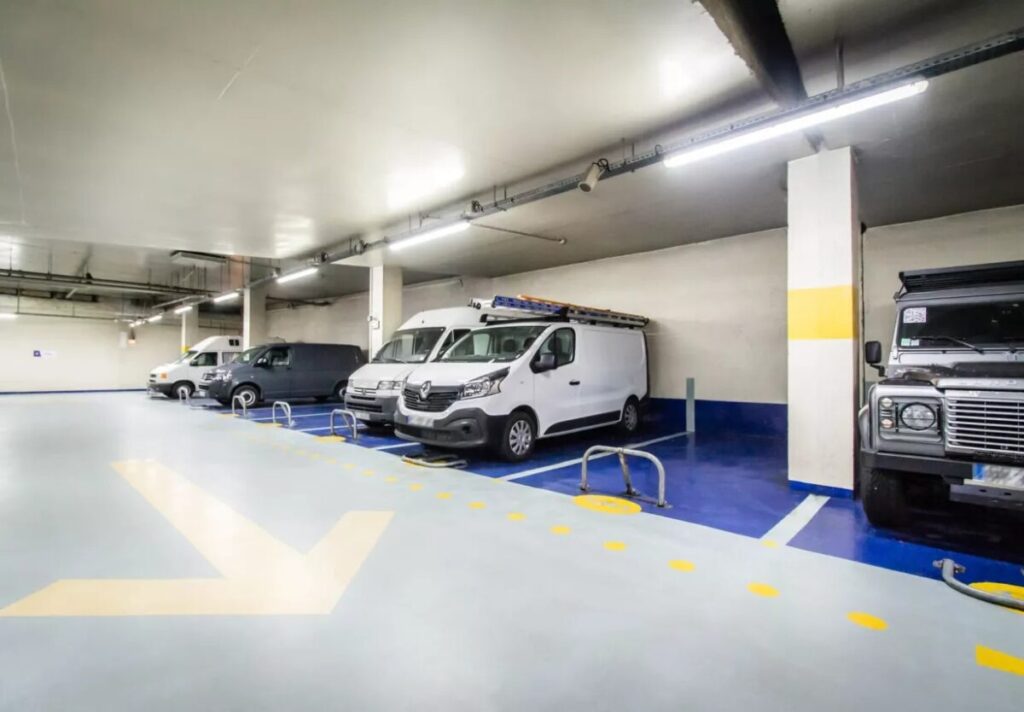
The morning light has shifted, and that Citroën has long since departed from the underground facility where we began. As evening approaches and another vehicle descends to secure its space for a night at the opera or dinner in Le Marais, you now possess the knowledge to navigate this hidden aspect of Parisian life with confidence.
Underground parking in Paris represents more than mere convenience—it offers a window into how this historical city adapts modern necessities to centuries-old urban fabric. The elegant solution of descending below the city’s protected architecture allows Paris to maintain its visual beauty while accommodating contemporary transportation needs.
Your mastery of this system—knowing which facility offers the best value near your destination, understanding how to book and pay efficiently, navigating cultural expectations about vehicle security and driving etiquette—transforms you from tentative visitor to informed traveler. This knowledge allows you to focus not on logistics but on experiencing Paris’s genuine magic: that perfect espresso in a sunlit café, the breathtaking view from Sacré-Cœur, and the hushed atmosphere of the Musée Rodin’s gardens.
The underground parking system, like so much of Parisian infrastructure, works best when you understand its rhythms and respect its particular logic. Armed with this guide, you’re prepared to navigate these subterranean spaces as confidently as you walk the boulevards above them—with the assurance that comes from genuine understanding rather than anxious guesswork.
Park well, explore freely, and savor every moment in this magnificent city. The vehicle will be waiting, secure beneath the streets, when you return from your Parisian adventures.
Planning your Parisian journey? Consider booking accommodations through our recommended partners, who offer properties with convenient parking access throughout the city’s most culturally rich neighborhoods. Your adventure in the City of Light begins with smart preparation—and continues with unforgettable experiences.