
When you picture Paris, Montmartre probably pops up first: cobblestone lanes, artists sketching in the open air, and the white domes of Sacré-Cœur gleaming over the rooftops. Belleville is a whole different animal—raw, vibrant, and alive with street art, bustling markets, and food from every corner of the globe.
If you’re after romance and those classic Parisian views, Montmartre’s your pick. But if you want diversity, grit, and a pulse that never really stops, Belleville’s where it’s at.
I’ve wandered both hills, and honestly, the vibe couldn’t be more different. In Montmartre, you slow down, maybe linger over a coffee on a sleepy corner, and watch the light change over the city.
Belleville? You’re grabbing dumplings or pho, catching live music, and stumbling across murals that seem to pop up overnight. One’s timeless, the other’s restless.
Picking between them isn’t really about which one’s “better”; it’s about what you want out of Paris. Are you craving that classic, old-world magic, or do you want a multicultural neighborhood that’s buzzing with something new? That’s the real decision you’ll make as you explore.
Key Takeaways
- Montmartre: charm, history, and those romantic views
- Belleville: energy, diversity, and modern culture
- It all comes down to your travel style and what matters to you
Montmartre vs Belleville: Key Differences
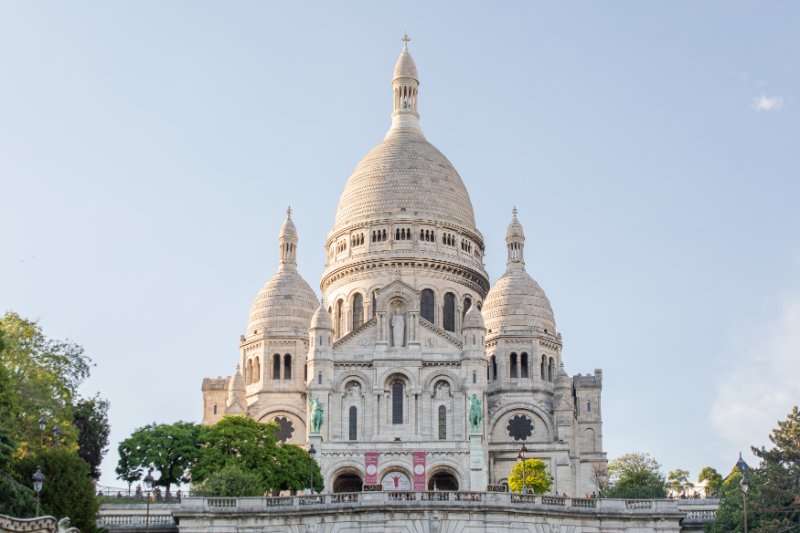
Both Montmartre and Belleville perch on Parisian hills, but honestly, that’s where the similarities stop. One leans hard into postcard charm and old-world romance, while the other thrives on grit, diversity, and that raw creative pulse.
Atmosphere and Vibe

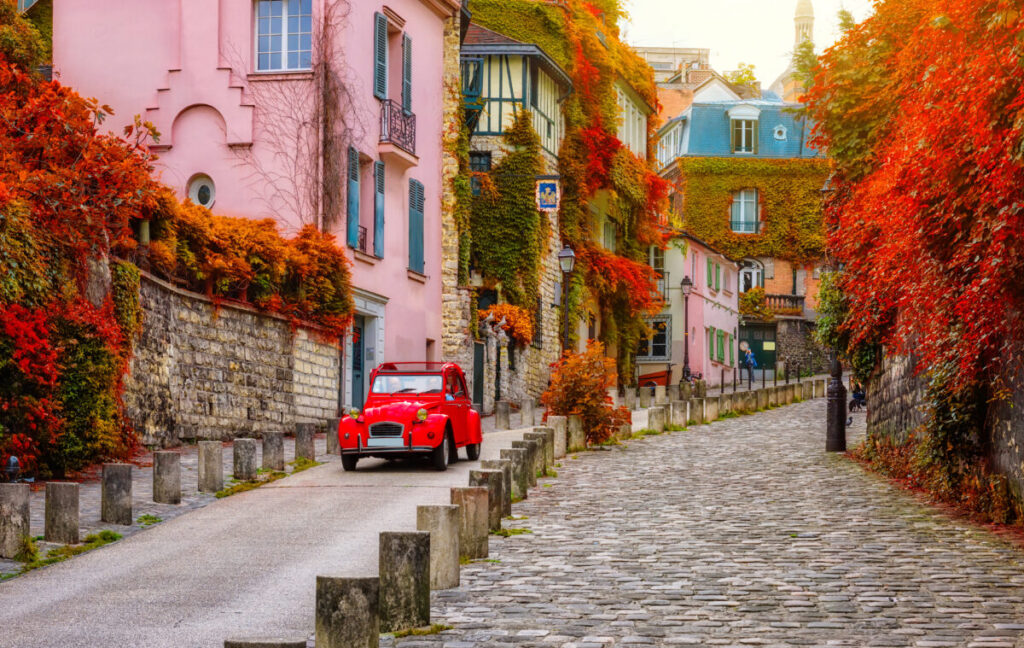
Montmartre feels like a village stuck in time. You’ll wind through cobblestone alleys, pass staircases tangled with ivy, and find cafés that seem unchanged for decades. Early mornings are quiet and dreamy—at least until the crowds hit Sacré-Cœur.
Belleville, on the flip side, buzzes with life. It’s noisy, a bit chaotic, and totally urban. Street art covers the walls, music spills out of bars, and the air is thick with the scent of noodles, couscous, and kebabs.
If Montmartre whispers with nostalgia, Belleville shouts with creativity. Which one’s better? Depends on whether you want peace or the thrill of unpredictability right outside your door.
Authenticity and Local Life

Montmartre is stunning, sure, but sometimes it feels a bit staged. Around Place du Tertre, artists mostly paint for tourists. Locals still call it home, but the area definitely caters more to visitors these days.
Belleville feels lived-in, no question. Walk a block and you’ll hear French, Arabic, Mandarin, and Spanish.
The markets overflow with fresh produce and chatter. It’s a true immigrant neighborhood, and that mix gives it a sense of authenticity you don’t always find in polished Montmartre.
Some of my best meals in Paris have been in Belleville—cheap bowls of pho, flaky pastries from Chinese bakeries. It’s not curated for tourists, and honestly, that’s the charm.
Tourist Appeal

Montmartre is a must-see for most first-time visitors. Sacré-Cœur, the views, the Moulin Rouge—they’re Paris icons. Boutique hotels and guesthouses play up the romantic vibe, often with rooftop terraces.
Belleville doesn’t draw the same tourist crowds, but that’s kind of the point. Instead of lining up for landmarks, you’ll wander Parc de Belleville or hunt for street art and local markets. Students, artists, and budget travelers tend to gravitate here more than big tour groups.
If you want the Paris you’ve seen in movies, Montmartre’s got you covered. But if you’d rather skip the crowds and dive into a neighborhood that feels raw and real, Belleville’s your spot.
Location and Accessibility

Montmartre and Belleville both sit on hills, but getting in and out feels pretty different. You’ll notice this when you use the metro, plan trips into central Paris, or just walk between the two.
Metro and Bus Connections

Montmartre mainly relies on Line 2 and Line 12, with stops like Abbesses, Anvers, and Lamarck–Caulaincourt. Abbesses is one of the deepest metro stations in Paris, so be ready for a lot of stairs unless you take the elevator. Buses run often, but Paris traffic can slow them to a crawl.
Belleville’s got easier metro access—Line 2 and Line 11 both stop at Belleville station. Line 11 is especially handy since it goes straight to the Marais and Châtelet. You’ll also find plenty of bus routes connecting to less touristy parts of the city.
If you’re staying a while, you’ll probably hop on both the metro and bus every day. In my experience, Belleville feels a bit better connected, especially if you want to avoid a late-night uphill trek.
Proximity to Central Paris

Montmartre sits in the 18th arrondissement, just outside the main tourist core. It usually takes 20–30 minutes on the metro to reach the Louvre or Notre-Dame. Still, the views from Sacré-Cœur often make the extra ride feel worth it.
Belleville, straddling the 19th and 20th arrondissements, is actually closer to the center in terms of travel time. From Belleville station, you can reach République or the Marais in under 10 minutes.
That makes it easy to balance sightseeing with evenings in a more local area. If you’re booking a place to stay, both neighborhoods offer plenty of hotels in Paris, but Belleville might cut down your commute if you’re headed to central Paris every day.
Walking Routes Between Neighborhoods
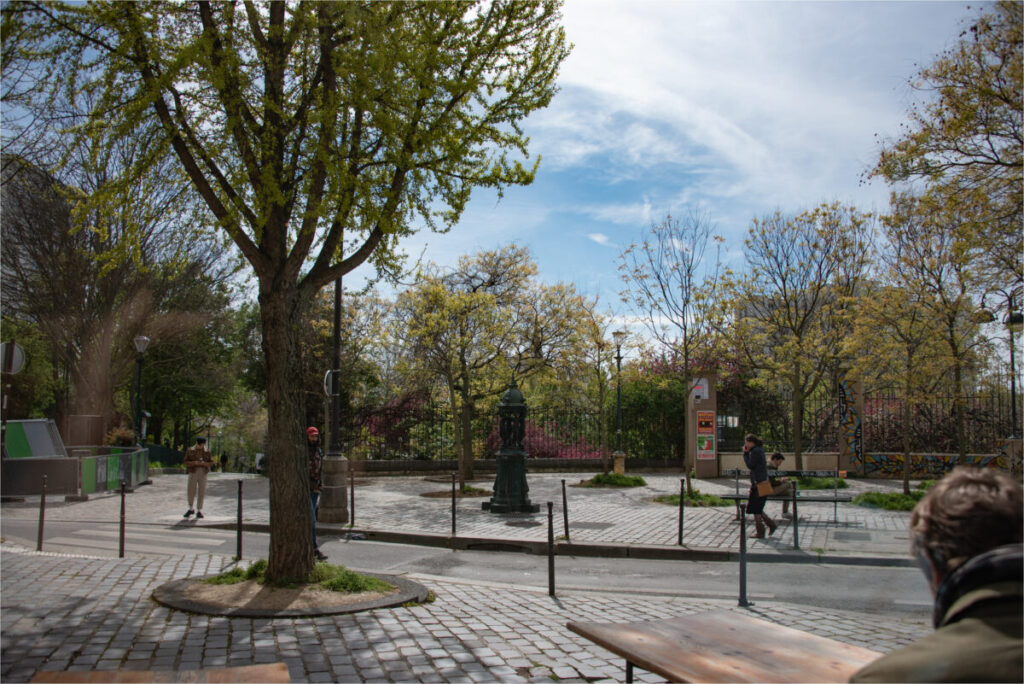
Walking from Montmartre to Belleville isn’t exactly a breeze, but it’s doable if you like exploring on foot—about an hour, give or take. The route winds through spots like Barbès and Canal Saint-Martin, which are interesting in their own right.
Remember, both neighborhoods are hilly. Montmartre’s slopes are steeper, with a lot of stairs, while Belleville’s climbs are more gradual.
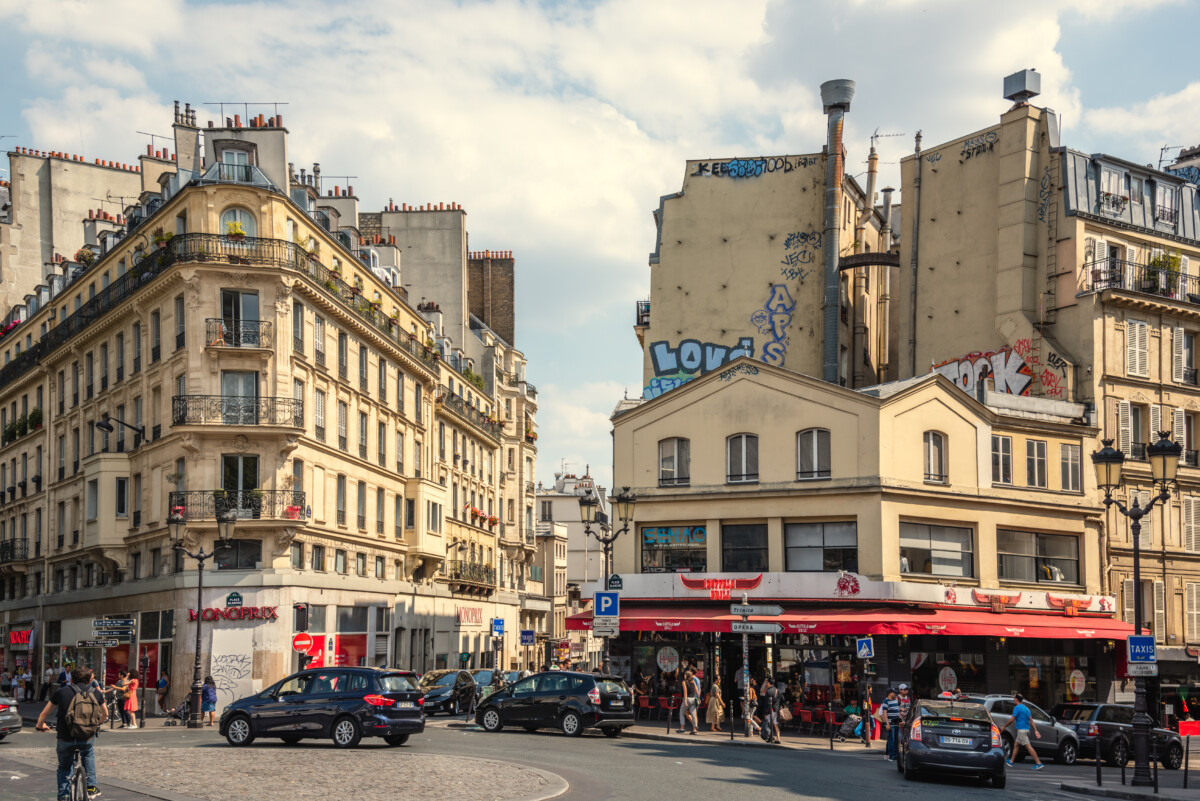
If stairs aren’t your thing, Montmartre can be tough. I’ve had friends who underestimated the climb and ended up using the metro a lot more than expected.
If you’re up for a stroll, I’d start in Montmartre, head downhill toward Pigalle, and then cut across to Belleville. It’s a fun way to watch Paris shift from postcard-perfect to something grittier and more eclectic.
See Related: Most Beautiful Places in France to Visit
Cultural Highlights and Famous Residents

Both Montmartre and Belleville have shaped Paris through their artists, musicians, and gathering places. You’ll find stories of painters who changed modern art, singers who gave voice to working-class Paris, and landmarks that still carry the spirit of bohemian life.
Artistic Heritage
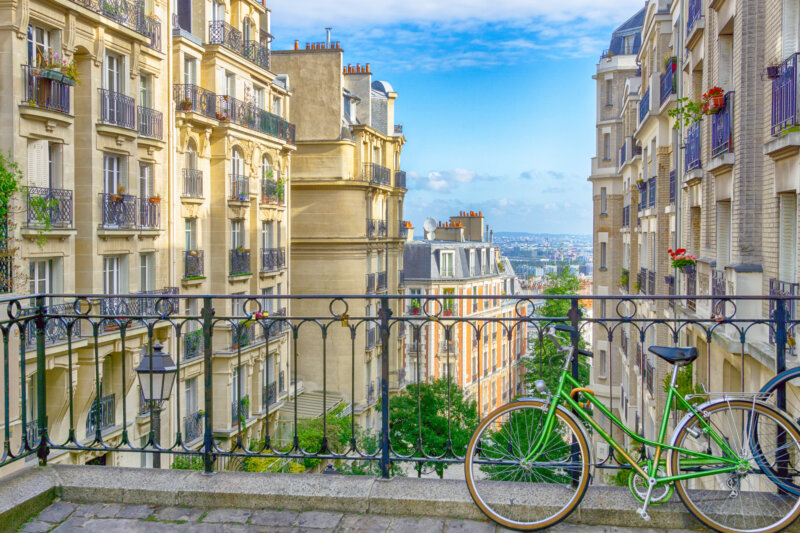
Montmartre was once the beating heart of Parisian art. By the late 19th century, painters like Vincent van Gogh, Henri de Toulouse-Lautrec, and Pierre-Auguste Renoir called it home. Cheap rents and even cheaper wine drew in struggling artists who later became legends.
You can still visit the Bateau-Lavoir, where Pablo Picasso painted Les Demoiselles d’Avignon and worked with Georges Braque to launch Cubism. The building’s pretty modest, but the history is massive. You can almost feel the creative energy lingering there.
Belleville, on the other hand, became a hub for street art and underground culture. Its walls are covered in bold murals and graffiti, giving it a raw, contemporary artistic vibe. Walking through Belleville feels like stepping into an open-air gallery that’s always changing (Travelfoodexpert).
Edith Piaf’s Belleville Roots
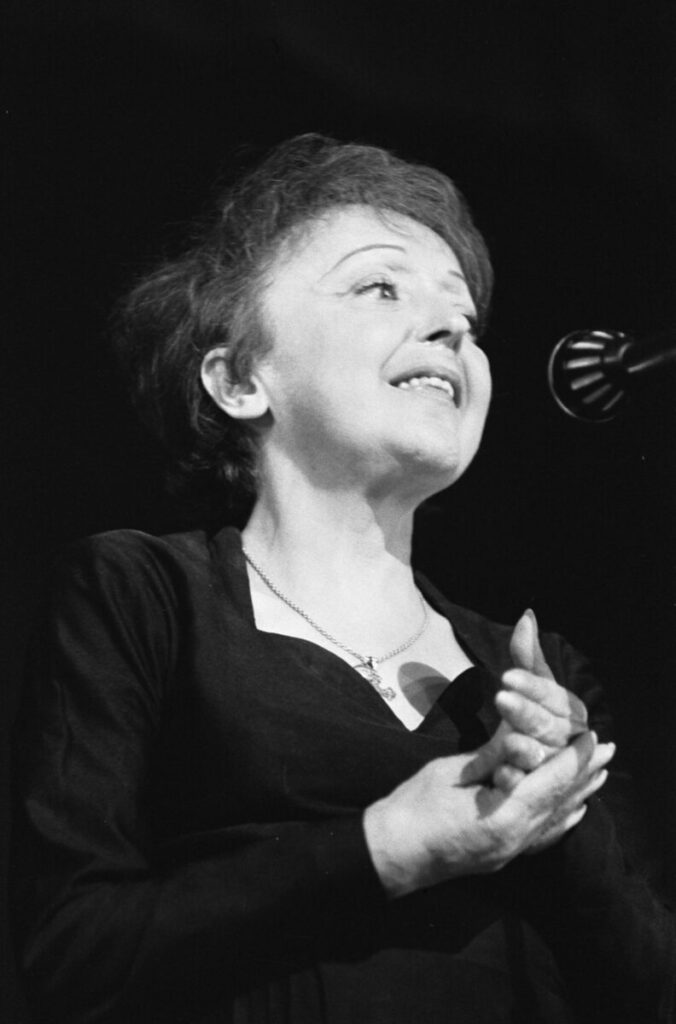
If Montmartre is about painters, Belleville’s all about singers. Édith Piaf was born here in 1915. Locals still talk about her like she’s part of Belleville’s soul. Her voice, rough and emotional, really captured the neighborhood’s spirit (Paris Unlocked).
You’ll spot a small plaque at 72 rue de Belleville marking her birthplace. It’s easy to miss, but if you’re a fan, it’s worth the detour. I remember stumbling across it—didn’t even know it was there, and suddenly I was standing in front of a piece of music history.
Her songs told the story of ordinary Parisians. That’s what Belleville was all about: a working-class neighborhood full of immigrants, rebels, and dreamers. Even now, it keeps that multicultural, slightly rebellious edge.
Iconic Landmarks
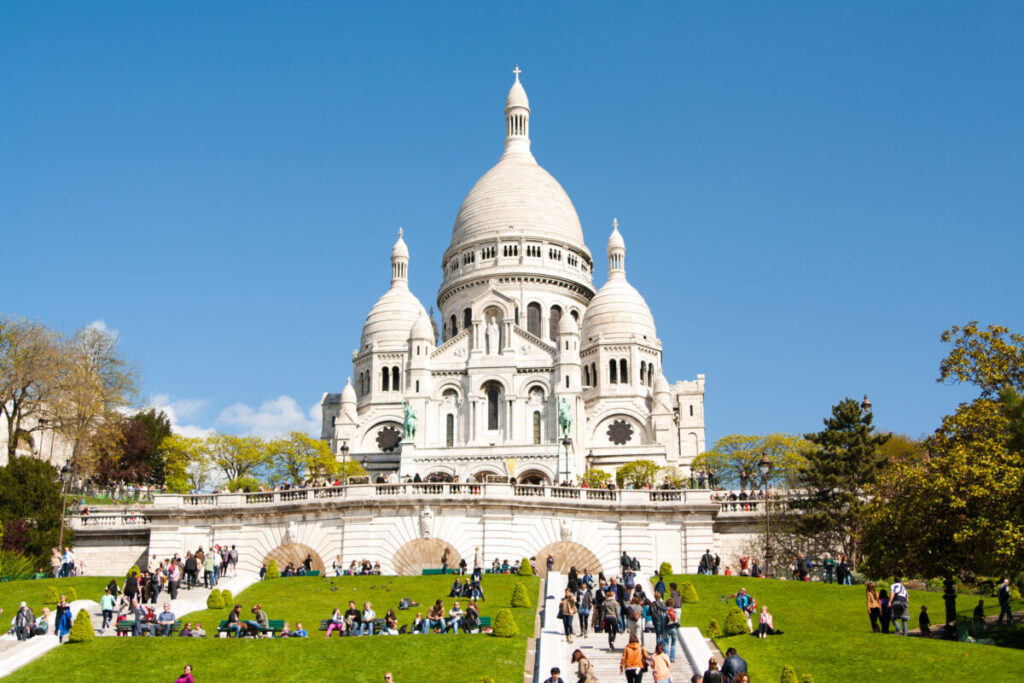
Montmartre has landmarks that basically define Paris. The Sacré-Cœur Basilica sits high on the hill, offering some of the best views in town. Just below, the Moulin Rouge still draws crowds with its bright red windmill and cabaret shows. If you’re a movie buff, you’ll recognize spots from Amélie, like Café des Deux Moulins.
The Musée de Montmartre is another favorite. It’s tucked away on rue Cortot, where Renoir once lived. The museum’s gardens overlook Montmartre’s last vineyard, Clos Montmartre, which still produces a small batch of wine each year (Feels Like Home in Paris).
Belleville doesn’t have anything quite as grand as Sacré-Cœur or the Louvre, but that’s not really the point. The Parc de Belleville gives you sweeping city views, and the area’s narrow streets hide countless cafés, markets, and street art murals. It feels less polished, more lived-in—and honestly, that’s its biggest draw.
Dining and Nightlife
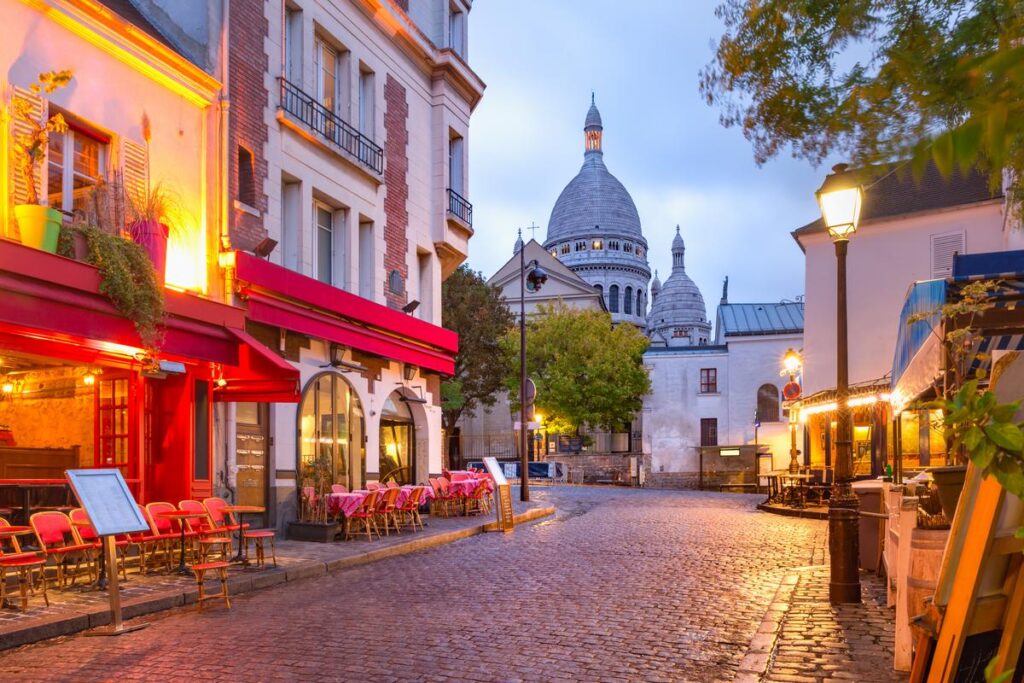
Parisian evenings really shift depending on where you land. In Montmartre, you get a blend of old-world cafés and tourist-friendly brasseries. Belleville, meanwhile, feels more eclectic and multicultural. Both neighborhoods offer lively nightlife, whether it’s chanson sing-alongs or late-night bars that keep things going long after midnight.
Local Bistros and Cafés
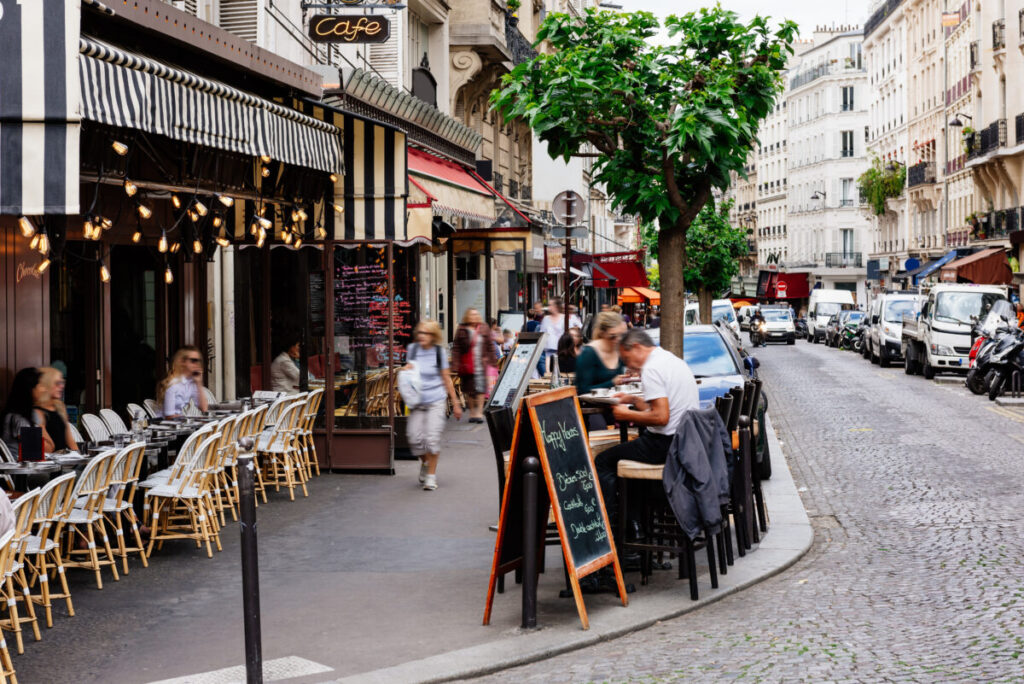
Montmartre really leans into tradition. You’ll run into small bistros with red-checked tablecloths, serving up classics like onion soup, duck confit, and crème brûlée. Some spots are definitely geared toward tourists, but if you wander away from the crowds near Sacré-Cœur, you might find family-run places where the menu hasn’t changed in ages.
Belleville goes in a different direction. The food scene here shows off its immigrant roots. Grab Vietnamese pho at Dong Huong or pick up a cheap, tasty bánh mì from Saigon Sandwich. Walk a bit more, and you’ll spot Chinese noodle shops, North African grills, and even Laotian favorites at Lao Siam.
If you crave variety, Belleville’s tough to beat. But if you’re after that classic Paris vibe—wine in mismatched glasses, a waiter calling you “monsieur” or “madame,” and the scent of garlic butter drifting out—Montmartre’s your spot.
Le Vieux Belleville Experience
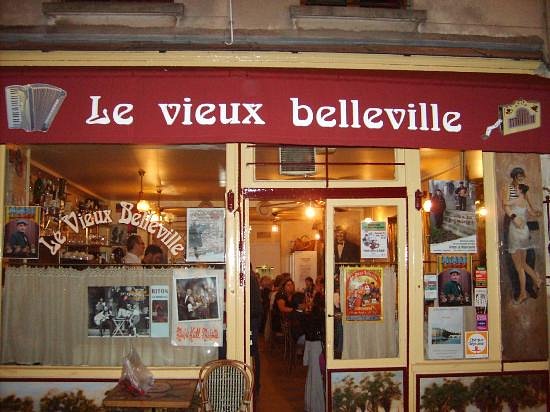
One of Belleville’s most charming places is Le Vieux Belleville. It’s more than just dinner; it’s a whole evening. You sit down for hearty French fare—duck legs, sausages, plenty of cheese—and before you know it, someone’s playing the accordion.
The real draw? Live chanson. Locals and visitors join in singing Edith Piaf classics, lyric sheets passed around the tables. It feels like a community hangout, not a performance. You’re part of it, not just watching.
Montmartre’s cabaret-style venues often feel staged by comparison. At Le Vieux Belleville, it’s casual, warm, and a bit chaotic. If you want a night that feels honestly Parisian, minus the gloss, this is the place.
Trendy Bars and Live Music

Montmartre’s nightlife has its moments, especially near Pigalle. Cocktail bars and jazz clubs spill out onto the sidewalks. You’ll find candlelit tables and live piano, but also rowdy dives where the beer is cheap and the music’s way too loud.
Belleville, though, has really become a go-to for late nights. On Rue Denoyez and Rue Jean-Pierre Timbaud, craft beer bars and natural wine spots sit next to laid-back cafés that turn into music venues as the night wears on. Spots like RORI mix food, drinks, and a retro vibe that pulls in a younger, more local crowd.
If you’re into live music, Belleville has the edge. Small clubs host everything from indie rock to experimental jazz. It’s less polished than Montmartre, but that’s the point—you come here for the energy, not refinement.
See Related: Where to Stay in Paris: Top Neighborhoods and Hotels
Things to Do and See
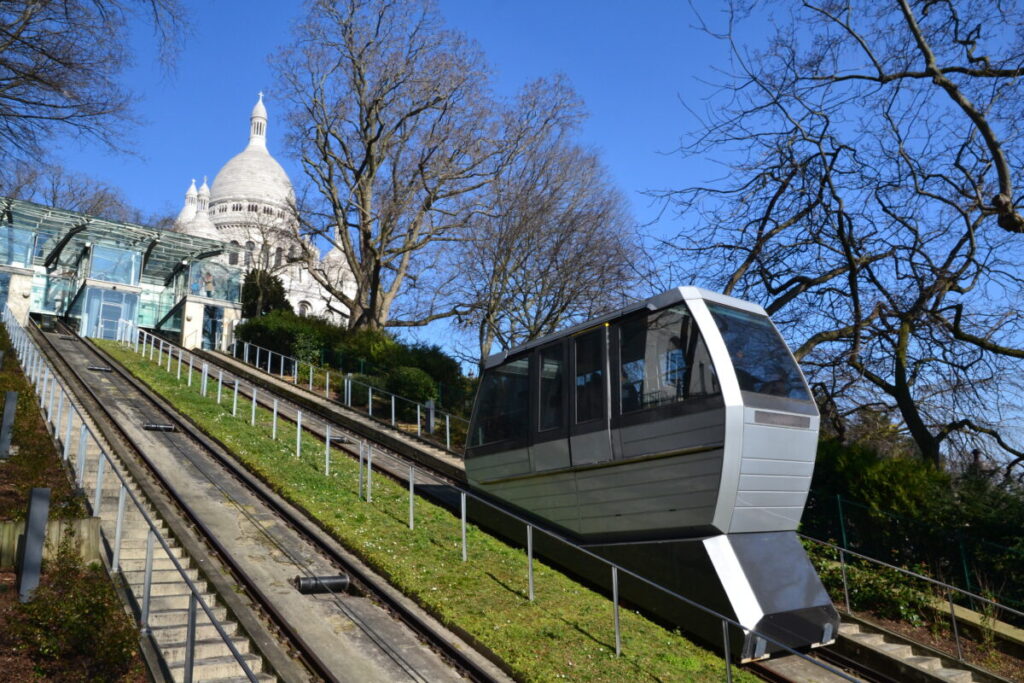
Montmartre and Belleville both have green spaces, creative walls, and little shops that feel miles away from the polished heart of Paris. Each neighborhood balances history with a more lived-in, everyday vibe that you can actually experience on the street.
Parks and Scenic Viewpoints
If you want a sweeping view, Montmartre gives you the Sacré-Cœur Basilica terrace. From there, Paris stretches out below. The steps are usually crowded, but it’s still worth climbing at least once.
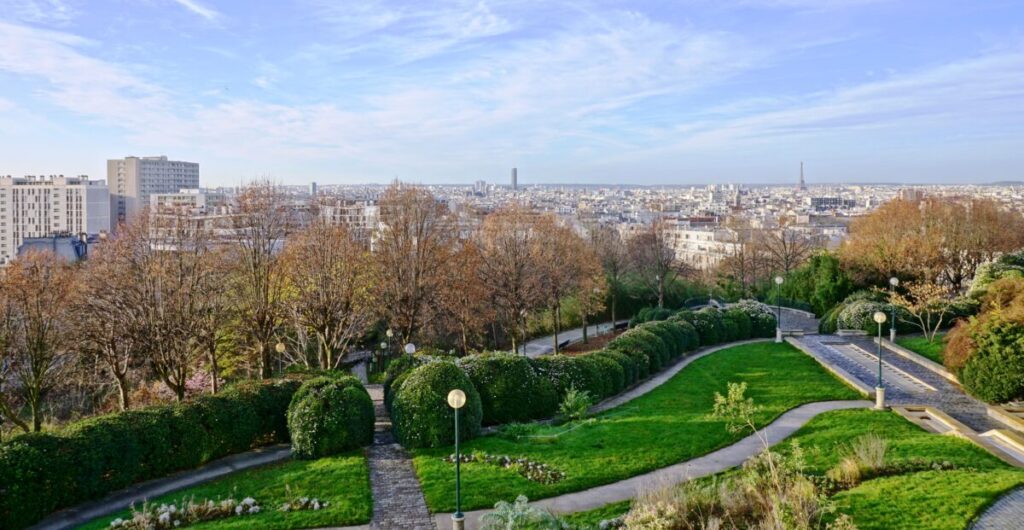
Belleville has a different kind of panorama. At the top of Parc de Belleville, you get one of the city’s widest open views. It’s less packed, and the park feels more local. Families picnic, kids play, and you’ll actually hear French around you instead of just English.
Montmartre hides the Vineyard of Clos Montmartre behind a quiet street. It’s not dramatic, but it’s a reminder that this area was once a rural village. Belleville’s Petite Ceinture, an abandoned railway turned green walkway, is a fun detour if you like a bit of urban exploring.
For guided outings, you can join organized Paris tours that include stops at both Montmartre and Belleville viewpoints.
Street Art and Murals

Belleville is the hub for street art in Paris. Stroll along Rue Denoyez or Place Fréhel and you’ll see whole walls bursting with color. The art changes often, so every visit feels new. It’s raw and uncurated, which honestly makes it better.
Montmartre has art too, but it’s different. Instead of spray-painted walls, you’ll spot easels in Place du Tertre, where painters sell portraits and city scenes. Sure, it’s touristy, but watching artists at work is still a treat—it’s a tradition that’s stuck around for decades.
If you want to dig deeper, Belleville offers guided street art walks with locals. These tours help you get the stories behind the murals, not just snap photos. Montmartre’s art is about legacy, Belleville’s is about change.
Unique Shopping Experiences
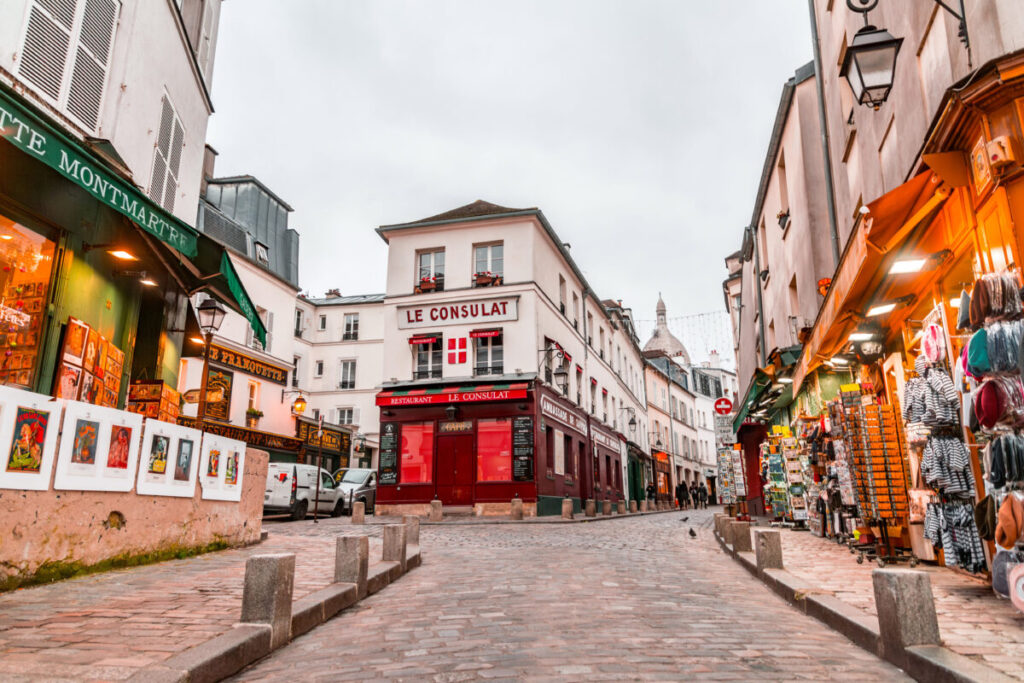
Shopping in Montmartre is quaint and classic. You’ll find little boutiques with handmade jewelry, vintage posters, and quirky souvenirs near Rue des Abbesses. I once picked up a watercolor from a street artist that still hangs in my kitchen—it’s touristy, but I’m glad I have it.
Belleville? Way more eclectic. You’ll stumble into second-hand record shops, vintage clothing stores, and spice markets that show off the neighborhood’s immigrant roots. One minute you’re flipping through vinyl, the next you’re catching the scent of cumin and coriander from a North African grocery.
If you like browsing without a plan, Belleville’s better for that treasure-hunt rush. Montmartre’s shops feel curated for visitors, while Belleville’s seem more like part of daily life. Both have their charm—it just depends if you want polished or gritty.
Who Should Choose Montmartre or Belleville?

Montmartre pulls you in with cobbled lanes, big views, and a slower pace. Belleville buzzes with street art, late-night energy, and food from every corner of the world. They offer totally different slices of Paris, and which one fits you really depends on what you’re after.
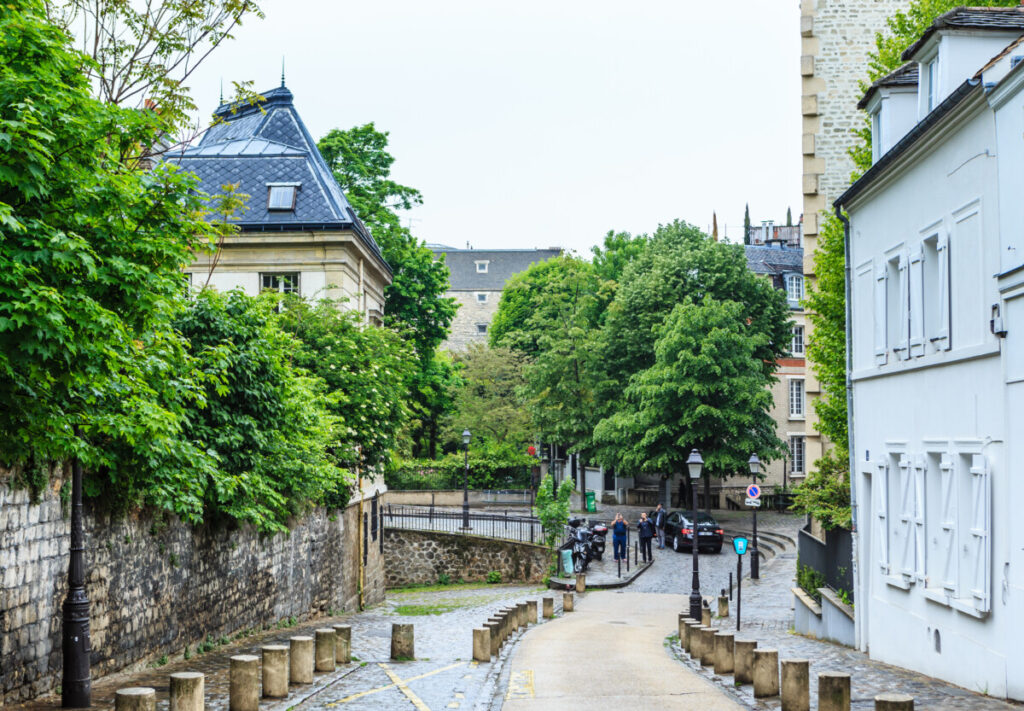
Best for First-Time Visitors
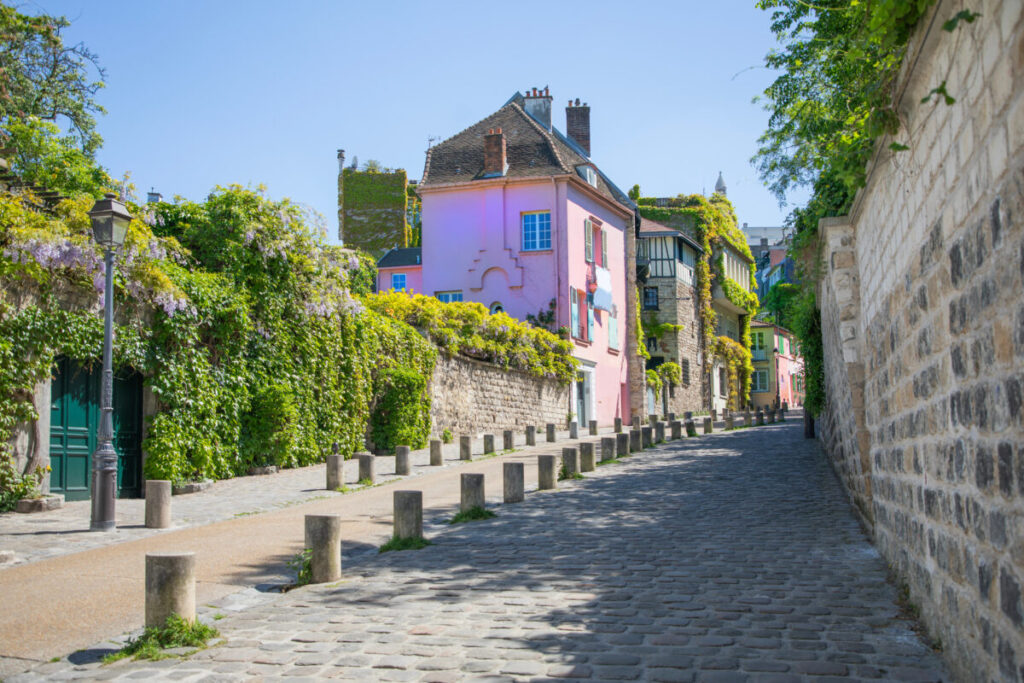
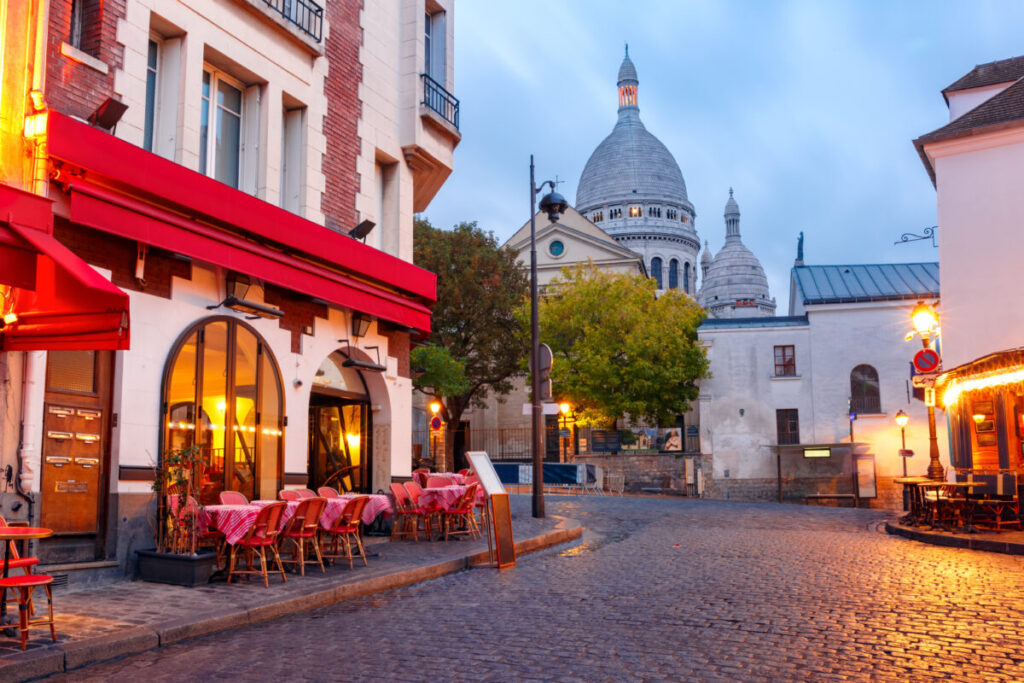
If it’s your first trip to Paris, Montmartre usually feels like the safer choice. It looks exactly how people picture Paris—narrow alleys, old cafés, and Sacré-Cœur’s white dome above the rooftops. It’s like stepping into a postcard, which is nice when you’re still getting your bearings.
You’ll find plenty of small hotels and guesthouses, many with sweeping views. Mornings here are calm, with locals heading to the bakery and artists setting up in Place du Tertre. That quiet charm is a welcome contrast to the city center’s rush.
Belleville can feel more chaotic. It’s not unsafe, but it’s raw and less polished. If you’re good with that, you’ll see a side of Paris most tourists miss—markets buzzing with different languages, graffiti-covered walls, and corners with real character. But for a first-timer, Montmartre is usually easier to figure out.
Ideal for Art Lovers
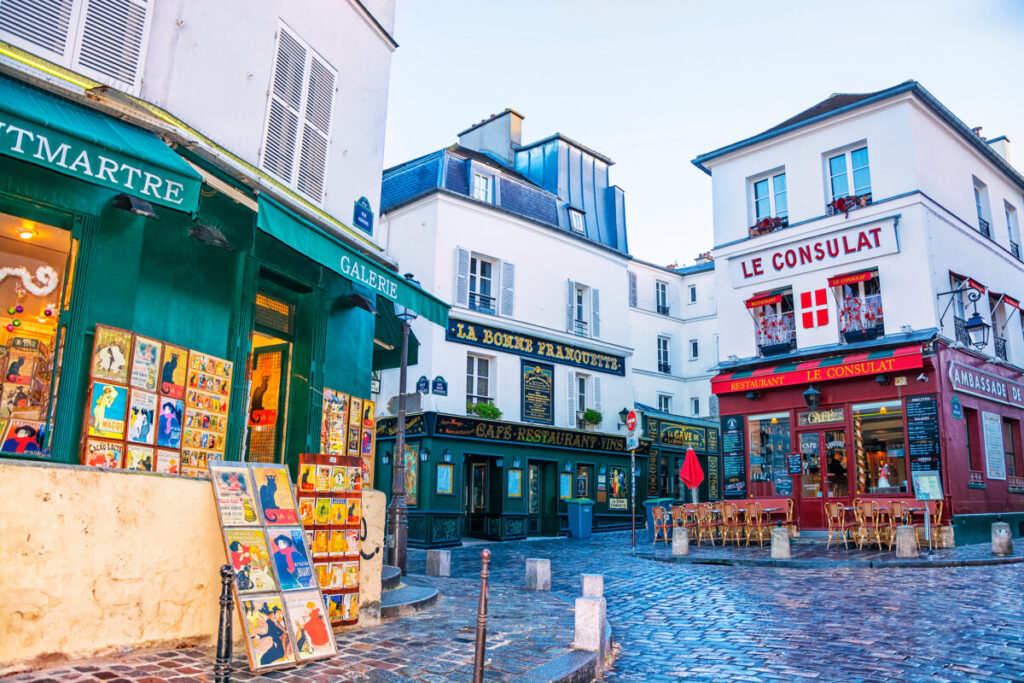
Both neighborhoods are tied to art, but in different ways. Montmartre has the history—Picasso, Van Gogh, Toulouse-Lautrec, all lived and worked here. You’ll still see painters selling portraits in the square, and the Musée de Montmartre gives you a glimpse of that bohemian past.
Belleville, though, is where the city’s creative energy is right now. Walk around and you’ll spot whole buildings covered in murals, pop-up galleries, and studios tucked into side streets. The art feels alive, not curated for tourists.
If you love classic Parisian art, Montmartre’s your place. But if you want to see what young artists are making today, Belleville is way more exciting. It’s one of the most creatively alive areas of Paris.
Perfect for Foodies
Belleville is where food really gets interesting. The neighborhood’s a patchwork of immigrant communities, and you see that on every plate. Steaming bowls of pho, North African couscous, Chinese bakeries, Middle Eastern kebabs—they’re all just a stroll away. It’s affordable too, which draws students and locals after a quick, tasty meal.
Montmartre has good food too, but it’s more traditional. Cozy bistros serve French staples like onion soup and duck confit. Some spots near Sacré-Cœur are tourist traps, so you’ll want to step away from the main square for better meals.
If you like eating your way through a city, Belleville’s probably your pick. The variety is unmatched, and the markets are packed with energy. Montmartre, meanwhile, is better if you want a slower, more classic dining vibe with that “Paris café” feel.
For food-lovers who want the real deal, Belleville is often called the place where Paris gets real.
See Related: Unique Places to Stay in Paris for Design & History Lovers
Frequently Asked Questions
Montmartre and Belleville both sit on Parisian hills, but their personalities couldn’t be more different. One leans into old-world charm and romance, the other thrives on grit, diversity, and constant reinvention. Food, history, daily life, and nightlife all reflect those contrasts in ways you’ll notice right away.
What unique charms do Montmartre and Belleville offer to visitors?
In Montmartre, you wander cobblestone lanes, stumble across hidden staircases, and catch glimpses of Sacré-Cœur glowing over the rooftops. It’s like stepping right into a postcard, especially if you’re up early before the crowds roll in.
Belleville, though, greets you with bursts of color and a constant hum. Street art covers the walls, and you’ll probably hear five languages just strolling down one block. It’s got a raw, unfiltered energy that’s hard to find elsewhere in Paris.
What are the culinary experiences like in Montmartre versus Belleville?
Montmartre sticks to the classics—cozy bistros, old-school cafés, and pastry shops that look frozen in time. The food is hearty and comforting, fitting the neighborhood’s nostalgic air.
Belleville’s food scene is all about variety. You’ll find steaming bowls of pho, fresh dumplings from a Chinese bakery, or a plate of North African couscous. The neighborhood’s immigrant roots show up in every bite, and honestly, it’s usually easier on your wallet.
How do the historical backgrounds of Montmartre and Belleville influence their current vibe?
Montmartre’s history is tangled up with artists—Picasso, Renoir, Toulouse-Lautrec all spent years here. That bohemian spirit still lingers in the studios and the crowded Place du Tertre. The hill feels like a living museum of Parisian creativity.
Belleville started as a working-class village and kept its doors open to newcomers. Eastern European Jews, North African families, Chinese communities—each wave left its mark. That’s why Belleville feels so layered and multicultural these days.
In terms of local living, how do Montmartre and Belleville differ?
Living in Montmartre can feel a bit tucked away from the city center. The hills mean lots of stairs, and the crowds near Sacré-Cœur can wear you out. But if you wander a few streets over, you’ll find quiet corners where locals pick up fresh bread and greet neighbors by name.
Belleville buzzes with daily life. Students, young artists, and families are drawn to its energy and reasonable rents. Sure, it’s a little rough around the edges, but you get a real sense of everyday Paris here—no filter, just life happening all around you.
What should tourists expect when exploring the nightlife in Montmartre and Belleville?
Montmartre nightlife feels like a bit of a blend. You’ll find historic cabarets—yeah, the Moulin Rouge is just down in Pigalle—alongside cozy wine bars and cafés that don’t seem in a rush to close. It isn’t the most raucous area, but there’s a charm to just wandering from bar to bar if you want a more laid-back vibe.
Belleville, on the other hand, goes for a more underground feel. Picture dive bars, random live music, and the occasional pop-up art show tucked into unexpected corners. It’s not polished, but if you’re chasing a lively, alternative night with a younger, creative crowd, Belleville really steps up.